

In February 2024, a ransomware attack on Romania's hospital system forced doctors to return to pen and paper, exposing the fragility of digital healthcare infrastructure. The attack targeted the Hipocrate platform, a widely used system for managing patient records, tests, and medications. As hospitals struggled to cope, the incident raised urgent questions about cybersecurity in healthcare.
What Happened in the Romania Hospital Ransomware Attack?
The ransomware, identified as BackMyData, encrypted files and rendered them inaccessible to hospital administrators. The attackers demanded a ransom of 3.5 bitcoins, approximately €175,000 at the time, for the decryption key. The attack affected hospitals across the country, disrupting critical services and forcing medical staff to revert to manual processes.
Find Original Home Decor sparking conversation at Grand Goldman Shop.

According to a BBC reconstruction, the incident was particularly severe because Hipocrate was integrated into many aspects of hospital operations. From patient registration to requesting tests and managing supplies, the platform's downtime created chaos. The exact number of affected hospitals remains unclear, but the impact was widespread.
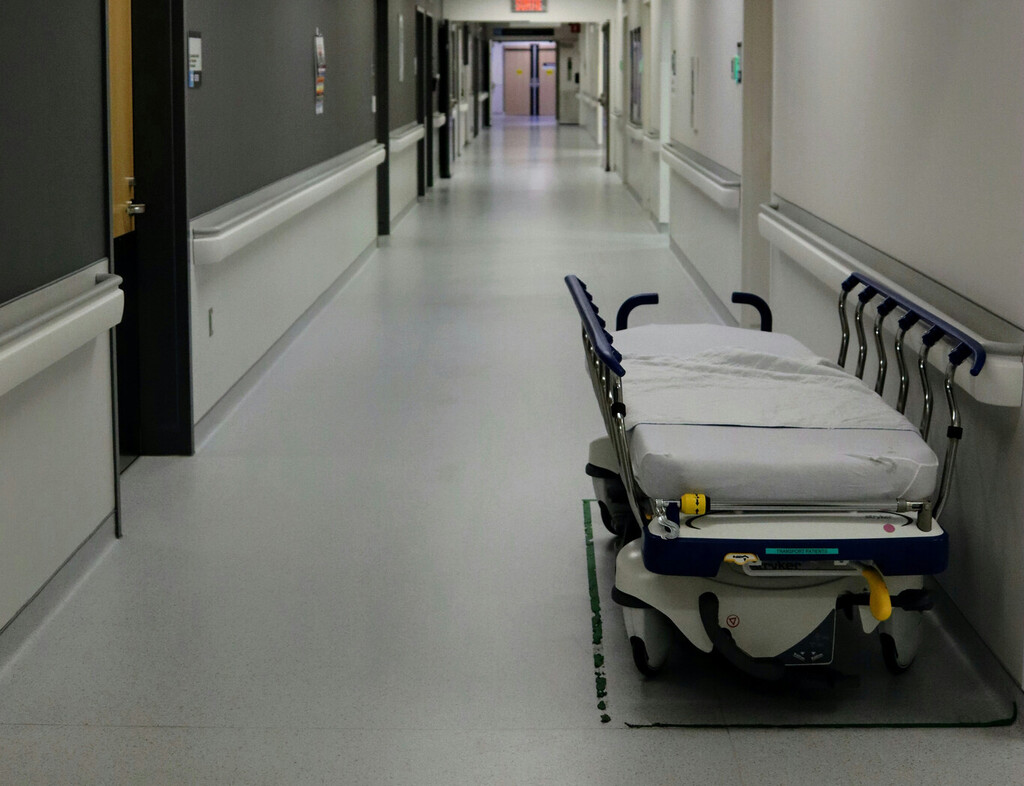
Why the Hipocrate Platform Is Critical for Romanian Hospitals
Hipocrate is not just an electronic health record system; it is the backbone of hospital coordination. It handles patient admissions, laboratory requests, medication orders, and inventory management. When it goes down, hospitals lose their central nervous system.
The platform's integration means that a single point of failure can paralyze multiple departments simultaneously. This interdependence, while efficient in normal times, becomes a liability during a cyberattack. The Romania incident highlighted how quickly a digital tool can become a bottleneck.
How Doctors Coped Without Digital Tools
With Hipocrate offline, medical staff resorted to paper-based methods. They used handwritten notes, phone calls, and physical runners to coordinate care. While this allowed hospitals to continue functioning, it was slower and more error-prone.
The fallback to pen and paper underscored the importance of having analog backups for critical systems. However, it also revealed that many hospitals were unprepared for such a scenario. Staff had to improvise, and the lack of standardized procedures added to the stress.
The Ransomware Attack: BackMyData and Its Impact
BackMyData is a variant of ransomware that encrypts files and appends a new extension, making them unusable. The attackers typically leave a ransom note with instructions on how to pay. In this case, the demand was 3.5 bitcoins, a significant sum for cash-strapped hospitals. Context on how this played out before sits in Romania Hospital Ransomware Attack: Doctors Return to Pen and Paper.
Paying the ransom is never guaranteed to restore data, and it encourages further attacks. Romanian authorities have not disclosed whether any ransom was paid. The incident is a reminder that healthcare organizations are prime targets for cybercriminals due to the sensitive nature of their data and the urgency of their operations. The background to this story is set out in Pen to Paper for Better Ideas: Boost Creativity with Writing. A related thread runs through NSW Screen Time Caps in Classrooms: Pen and Paper Learning Push.
Lessons Learned: Strengthening Healthcare Cybersecurity
The Romania hospital ransomware attack offers several takeaways for healthcare providers worldwide. First,backup systems must be robust and regularly tested. Second, employee training on phishing and social engineering is essential. Third, network segmentation can limit the spread of an attack. Earlier coverage in NHS Scraps Medical Training Initiative for Overseas Doctors shows how the argument developed. A closer look at the same subject appears in Scrapping Foreign Doctors Scheme Will Hurt the NHS.
Additionally, hospitals should have a cyber incident response plan that includes analog fallbacks. The ability to switch to paper-based processes, while not ideal, can keep critical services running. Finally, collaboration with law enforcement and cybersecurity experts can help mitigate damage and prevent future incidents. Anyone following the wider picture can start with Technology: latest articles. The same theme surfaces in Bitdefender Expert: Fast-Paced Scams Cost Sports Fans Money, which takes a different angle.
Key Takeaways from the Romania Hospital Cyberattack
- Ransomware can cripple healthcare systems by targeting integrated platforms like Hipocrate.
- Analog backups are essential; pen and paper saved the day when digital tools failed.
- Ransom demands are high, but paying does not guarantee data recovery.
- Preparedness is key: hospitals need robust cybersecurity and incident response plans.
- Healthcare is a prime target for cybercriminals due to sensitive data and urgency.
Comparison of Cybersecurity Measures in Healthcare
| Measure | Description | Effectiveness |
|---|---|---|
| Regular Backups | Offline and encrypted backups of critical data | High |
| Employee Training | Phishing awareness and security protocols | Medium to High |
| Network Segmentation | Isolating critical systems from general network | High |
| Incident Response Plan | Defined procedures for cyberattacks, including analog fallbacks | High |
| Ransomware Insurance | Financial protection but not a preventive measure | Low to Medium |
FAQ
What was the Romania hospital ransomware attack?
It was a cyberattack in February 2024 that targeted the Hipocrate platform used by Romanian hospitals, encrypting files and disrupting healthcare services nationwide. The attackers demanded a ransom in bitcoins.
How did doctors manage without the digital system?
Doctors reverted to pen and paper, using handwritten notes and phone calls to coordinate patient care. This analog fallback allowed hospitals to continue operating, albeit less efficiently.
Was the ransom paid?
It is not publicly known whether the ransom was paid. Authorities have not disclosed this information, and paying ransoms is generally discouraged as it does not guarantee data recovery.
What can other hospitals learn from this incident?
Hospitals should prioritize cybersecurity measures such as regular backups, employee training, network segmentation, and incident response plans. Having analog fallbacks can also help maintain critical services during an attack.
Browse the Shop
 Acacia frida deluxe solid wood bed frame |
Bedroom bench |
Bed chest drawers |
Lingerie dresser |
Frame base |
Mirror with jewelry storage |
30 Bathroom Vanity |
Memory foam queen mattress |
Mattresses for back pain |
Nightstand set of 2 |
Grand Goldman Shop |
Civil Lawyer
Deutschland Trikot WM 2026







