

When shopping for a smart speaker in 2026, sound quality alone is no longer the deciding factor. The market has shifted dramatically from the days of bulky Hi-Fi systems with dual cassette decks and equalizers toward compact, connected devices that offer far more than just audio playback. Manufacturers are now competing on versatility, ease of use, and how well a single device can serve multiple purposes throughout your home and beyond.
The Evolution of Smart Speakers: From Hi-Fi to Multi-Functional Devices
There was a time when buying a speaker meant focusing on the biggest model—those furniture-sized Hi-Fi systems with double cassette decks, equalizers, and turntables. Those high-fidelity setups have gradually given way to compact, connected speakers. But as the market becomes more saturated and the options more diverse, sound quality, while still fundamental, is no longer the only value proposition.
Find Original, High-end Home Decor that spark conversation at Grand Goldman Shop.
Today's smart speakers are being marketed as more than just devices for streaming music from your phone or sitting in a fixed spot in a room. They're becoming central hubs for entertainment, productivity, and smart home control. This shift is reshaping what consumers should look for when making a purchase.
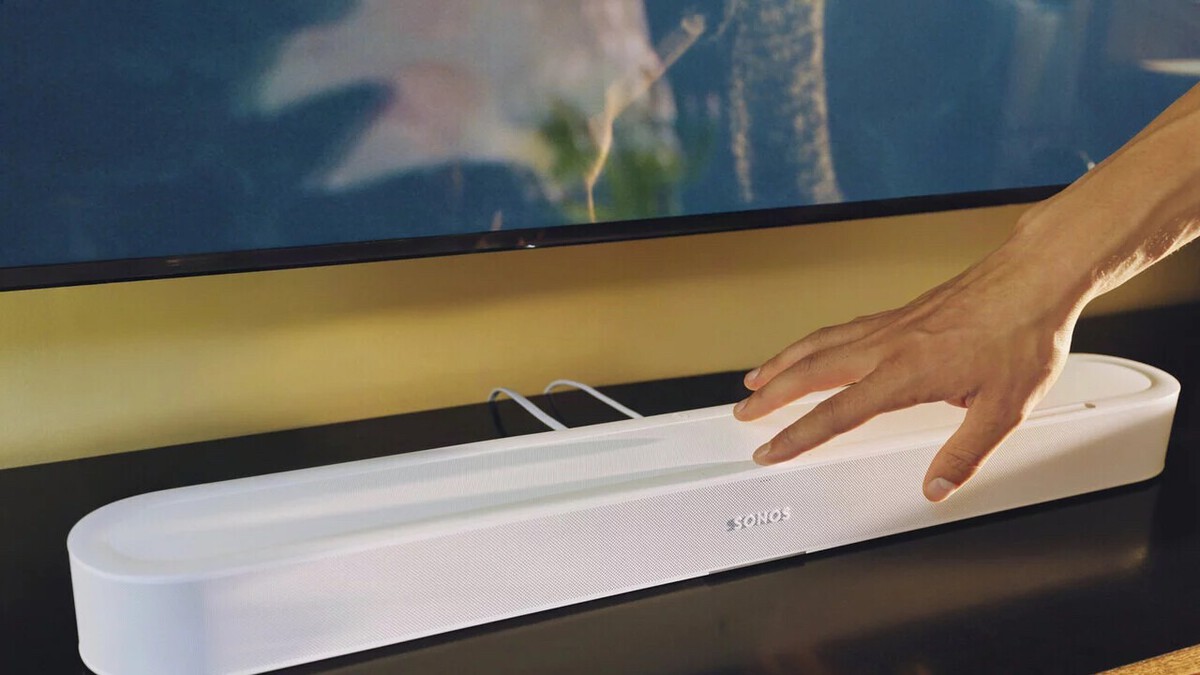
Key Trends Driving Smart Speaker Competition in 2026
If you look at advertisements from various brands, the competition among connected speakers is focusing on several fronts: improving sound, yes, but even more so on making them easier to use and more useful both inside and outside the home. Here's what's shaping the market this year.
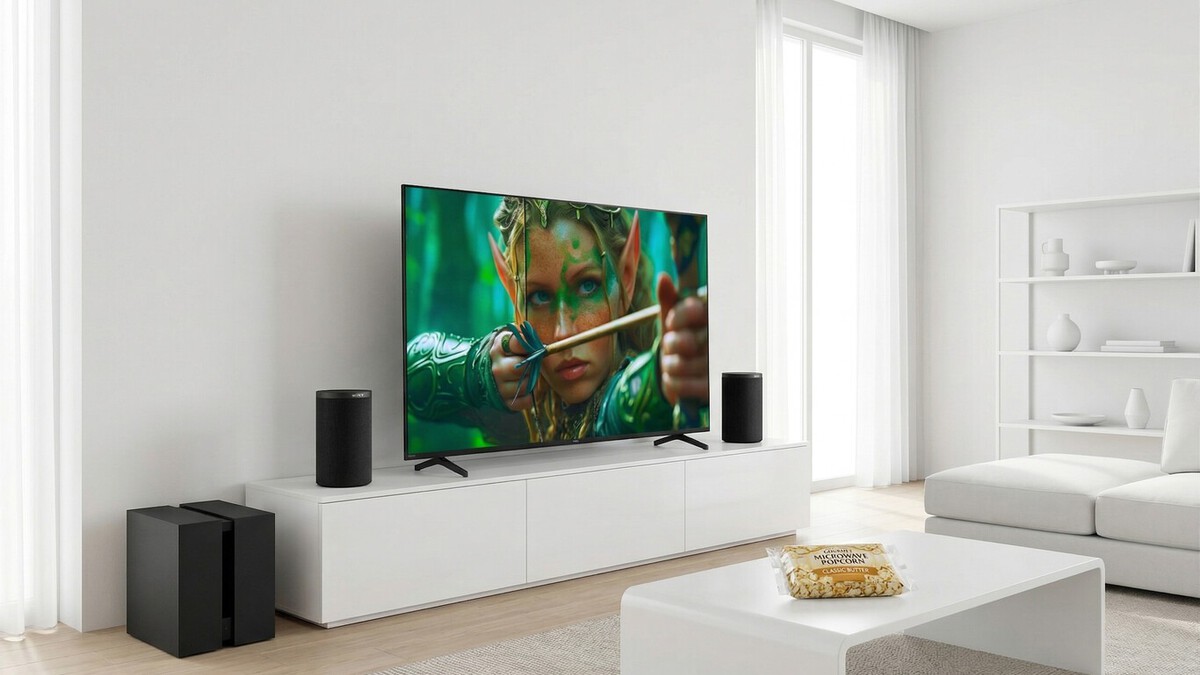
TV Integration and Enhanced Home Theater Experiences
One major trend is turning the speaker into more than just a music player. Many manufacturers now position their models as ideal complements for improving TV sound. For example, Samsung's Music Studio and Q-Symphony technology allows compatible TVs, soundbars, and speakers to work together seamlessly. This kind of integration creates a richer audio experience for movies and shows without requiring a full home theater setup.
For consumers, this means a single smart speaker can serve double duty: streaming your favorite playlist during the day and enhancing your evening binge-watching sessions. It's a compelling reason to choose a model that supports these ecosystem features.
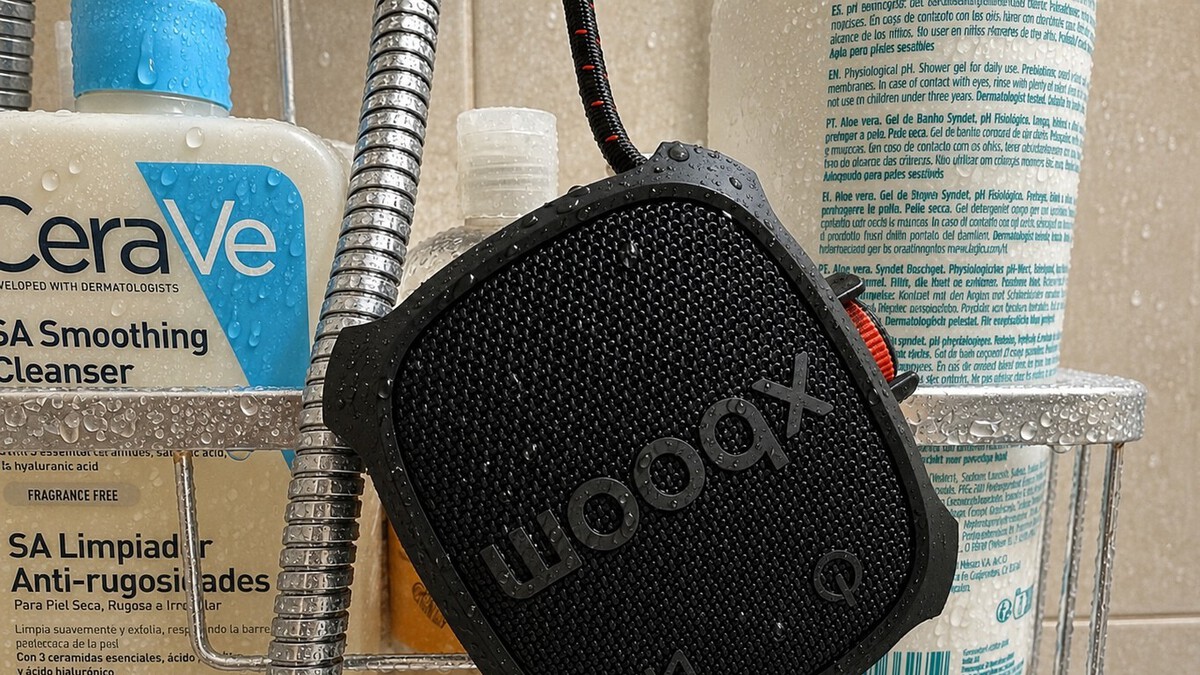
Portability and Outdoor Use
Another front is portability. Speakers are increasingly designed to move with you—from the living room to the backyard, beach, or park. Battery life, ruggedness, and water resistance are becoming standard features. The ability to take your speaker anywhere means you get more value from one device, reducing the need for multiple purchases.
This trend aligns with the broader consumer desire for flexibility and convenience. A speaker that stays tethered to a wall outlet is less appealing when you can have one that goes where you go.
Smart Home Integration and Voice Assistants
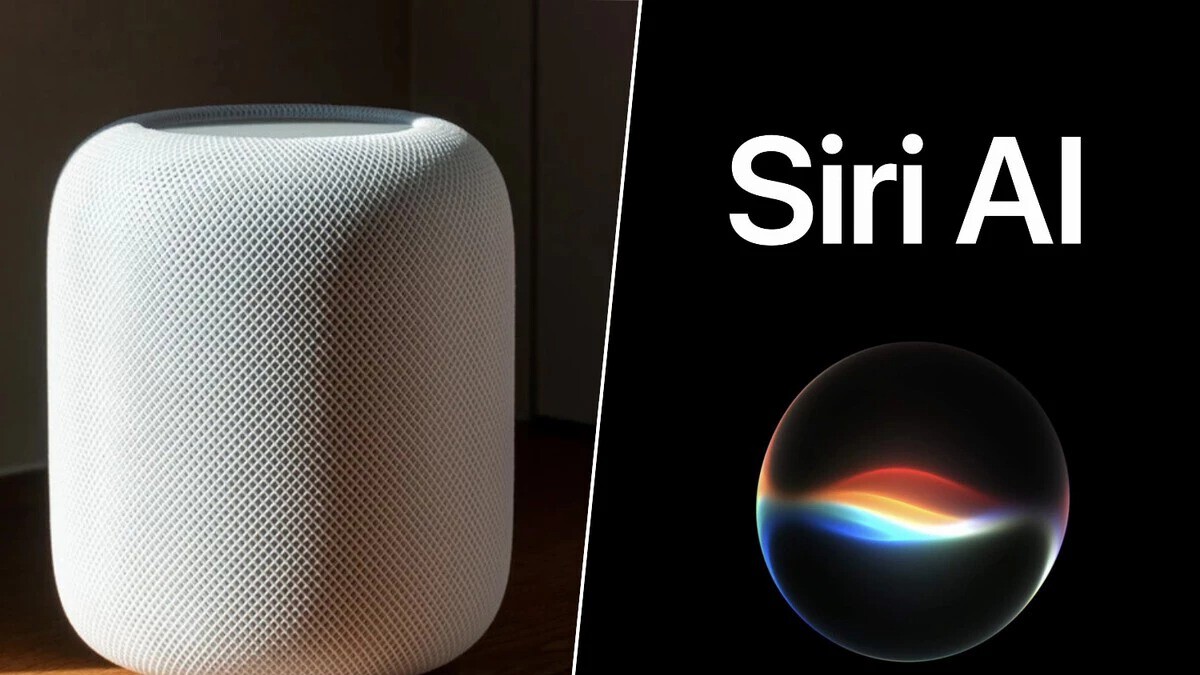
Voice control and smart home compatibility are no longer novelties—they're expected. Speakers now serve as command centers for your connected devices, from lights to thermostats. The ease of use this provides is a major selling point, especially for those building out a smart home ecosystem. Manufacturers are keen to highlight how their speakers integrate with popular platforms like Alexa, Google Assistant, and Apple HomeKit.
What Really Matters When Choosing a Smart Speaker in 2026
Given these trends, here's a checklist of key factors to consider before you buy:
- Sound quality still matters—but it's just one piece of the puzzle. Look for balanced audio and adequate bass.
- Ecosystem compatibility—ensure the speaker works with your TV, phone, and smart home devices.
- Portability—if you plan to move it around, check battery life and durability ratings.
- Voice assistant support—choose a speaker that aligns with your preferred assistant.
- Future-proofing—opt for models with software update commitments and expandable features.
Comparison of Smart Speaker Priorities: Then vs. Now
To illustrate how priorities have shifted, here's a quick comparison of what mattered in the past versus what matters in 2026.
| Feature | Traditional Hi-Fi Era | 2026 Smart Speaker Era |
|---|---|---|
| Primary focus | Sound fidelity and power | Versatility and integration |
| Form factor | Large, furniture-style | Compact, portable |
| Connectivity | Wired, limited | Wireless, multi-room |
| TV integration | Separate home theater system | Built-in features like Q-Symphony |
| Smart features | None | Voice assistants, app control |
Who Is Affected by This Shift?
This evolution affects everyone from casual listeners to home theater enthusiasts. If you're in the market for a speaker, you now have more options but also more to consider. The good news is that devices are becoming more capable and adaptable, offering better value for money. The challenge is cutting through the marketing hype to find the features that genuinely improve your daily life. Context on how this played out before sits in Smart Speaker Buying Guide 2026: Why Sound Quality Is No Longer Enough.
For manufacturers, the pressure is on to differentiate beyond audio specs. For consumers, it's an opportunity to get a device that truly fits your lifestyle. The background to this story is set out in Technology: latest articles. A related thread runs through Noise Cancellation Is Now the Baseline: What Premium Earbuds Offer in 2026.
What to Watch Next
As we move further into 2026, expect to see even tighter integration between speakers and other smart devices. We may see more advanced spatial audio features, improved battery technologies for portability, and deeper AI-driven personalization. The lines between smart speakers, soundbars, and home assistants will continue to blur. Earlier coverage in OLED vs MiniLED and RGB MiniLED: The 2026 TV Battle for Picture Quality shows how the argument developed. A closer look at the same subject appears in Robot Vacuums 2026: The Rise of Multi-Function Cleaning Machines.
Keep an eye on how brands like Samsung, Sony, and Bose iterate on these trends. Their next releases will likely set the tone for the rest of the year. Anyone following the wider picture can start with Electric Car in Spain 2026: Eight Reasons It's the Smartest Buy. The same theme surfaces in JBL Pulse 6 and PartyBox Ultimate 2 Speakers With AI Sound, which takes a different angle.
FAQ
Is sound quality still important in a smart speaker?
Absolutely. Sound quality remains a fundamental aspect of any speaker. However, it's no longer the sole differentiator. You should still prioritize good audio, but also consider how the speaker fits into your broader ecosystem.
Can a smart speaker really replace a soundbar for TV audio?
In some cases, yes. Features like Samsung's Q-Symphony allow compatible speakers to work with TVs to enhance audio. However, for a true home theater experience, a dedicated soundbar or surround system may still be preferable.
What should I look for if I want a portable smart speaker?
Check battery life, water and dust resistance ratings, and weight. Also ensure it has the smart features you need, like voice assistant support and Wi-Fi connectivity.
Are smart speakers worth it if I don't have a smart home?
Yes. Even without a smart home setup, smart speakers offer convenience like voice-controlled music, weather updates, and timers. They can also be a gateway to building a smart home later.
Browse the Shop
 Acacia frida deluxe solid wood bed frame |
Bedroom bench |
Bed chest drawers |
Lingerie dresser |
Frame base |
Mirror with jewelry storage |
30 Bathroom Vanity |
Memory foam queen mattress |
Mattresses for back pain |
Nightstand set of 2 |
Grand Goldman Shop |
Civil Lawyer
Deutschland Trikot WM 2026










