

In an era dominated by constant connectivity, a growing number of Spanish users are choosing to quit WhatsApp and smartphones in favor of a digital detox. This trend is exemplified by individuals like Diego Hidalgo, a 42-year-old who has never carried a smartphone in his pocket and has never used WhatsApp.
Hidalgo communicates using an old Nokia 3310 for calls and SMS, and he embraces alternative methods like email and face-to-face meetings. His story, featured in a recent report, sheds light on the motivations and challenges of living without modern mobile technology.
Find Original Home Decor sparking conversation at Grand Goldman Shop.

The Rise of Digital Detox in Spain
The digital detox movement is gaining traction in Spain, with prominent figures joining the cause. The Movimiento OFF, co-founded by Hidalgo, counts journalist Pedro Piqueras, former RAE director Darío Villanueva, and pediatrician María Salmerón Ruíz among its supporters.

These advocates argue that excessive use of apps and social media is altering behavior and brain function, leading to addiction-like symptoms. They promote a more conscious approach to technology use.
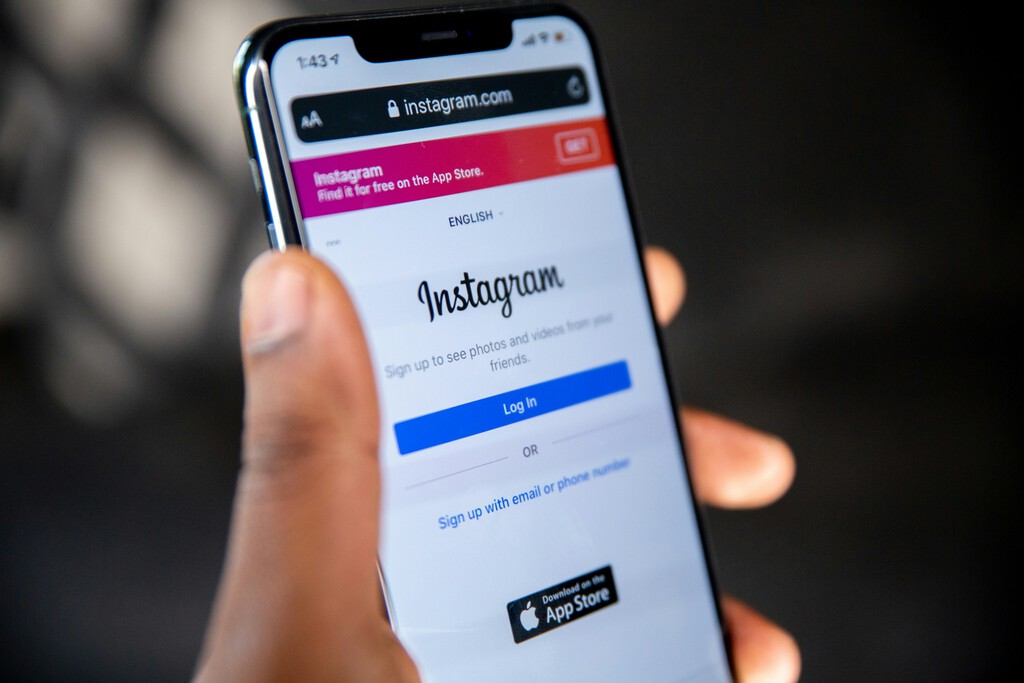
Why Some Spaniards Are Quitting WhatsApp and Smartphones
For many, the decision to abandon smartphones and WhatsApp stems from a desire to reclaim time and attention. Hidalgo, a former digital entrepreneur, noticed that emails were consuming large portions of his day.
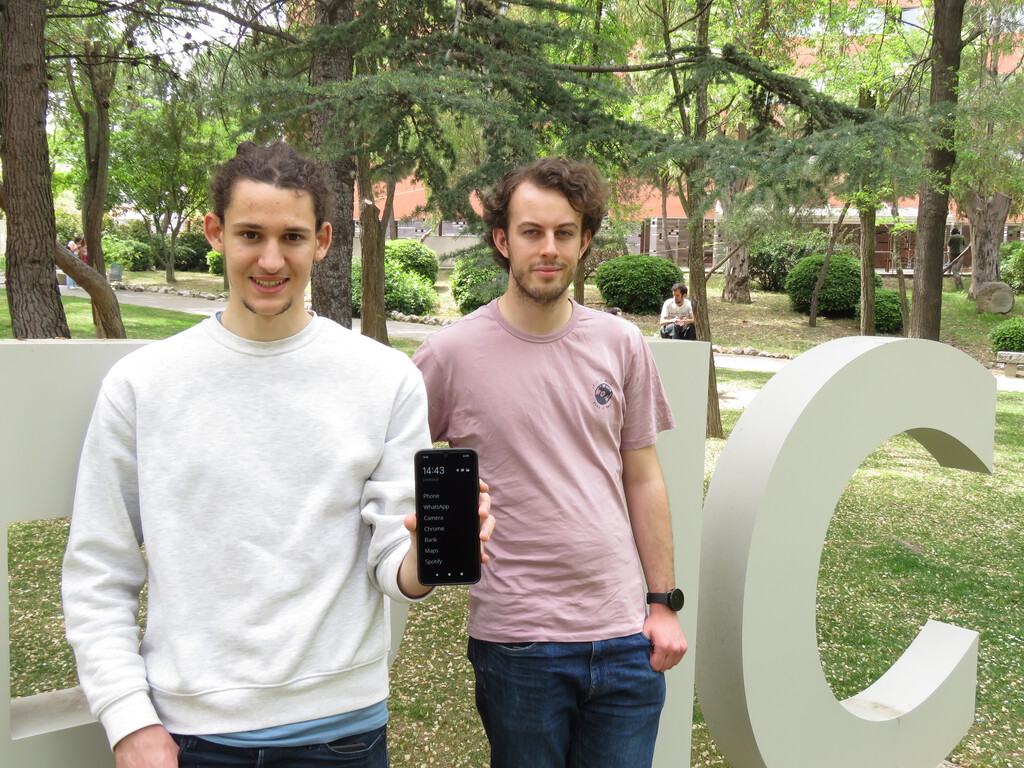
When smartphones first emerged, he decided to keep them at bay. Since then, he has authored two books, 'Anestesiados' (2021) and 'Retomar el control' (2024), exploring mobile addiction and its impact on our brains and behavior.
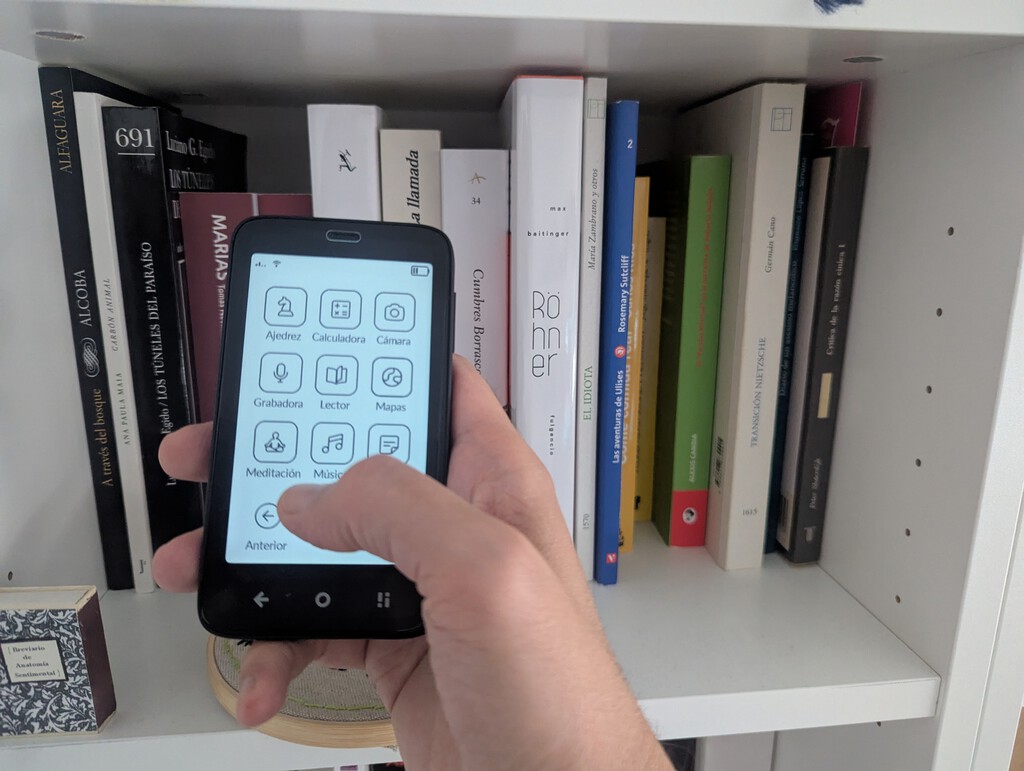
Key Motivations for a Digital Detox
- Reclaiming time: Reducing screen time frees up hours for meaningful activities.
- Improving focus: Constant notifications fragment attention and hinder deep work.
- Enhancing well-being: Lowering social media use can reduce anxiety and stress.
- Strengthening relationships: Face-to-face interactions become more intentional and fulfilling.
- Regaining control: Users feel empowered when they set boundaries with technology.
How Life Changes Without a Smartphone
Living without a smartphone requires adjustments, but advocates report positive outcomes. Hidalgo explains that people often ask how to contact him, and he offers simple alternatives: call, email, send an SMS, or visit in person.
He finds it remarkable how quickly we forget how we communicated just five or ten years ago. This shift highlights the extent to which smartphones have reshaped social norms.
Practical Strategies for Reducing Smartphone Use
If you're not ready to give up your smartphone entirely, you can still adopt a digital detox. Start by turning off non-essential notifications and setting specific times for checking messages.
Designate phone-free zones, such as the dinner table or bedroom, and engage in offline hobbies. These small steps can lead to significant improvements in focus and well-being.
Comparing Communication Methods: Smartphone vs. Dumbphone
The choice between a smartphone and a basic phone involves trade-offs. The table below outlines key differences to help you decide what works for you.
| Feature | Smartphone (with WhatsApp) | Dumbphone (calls/SMS only) |
|---|---|---|
| Connectivity | Constant, with apps and internet | Limited to calls and texts |
| Distractions | High (notifications, social media) | Low |
| Battery life | Often requires daily charging | Lasts days or weeks |
| Cost | Higher (device and data plans) | Lower |
| Social pressure | High (expectation of instant replies) | Low |
The Impact on Mental Health and Productivity
Research suggests that excessive smartphone use can contribute to anxiety, depression, and sleep disturbances. By quitting WhatsApp and limiting smartphone use, individuals often report improved mental clarity and reduced stress.
Productivity also benefits when distractions are minimized. Without the constant ping of notifications, it's easier to engage in deep, focused work.
Challenges of Going Smartphone-Free
Despite the benefits, going smartphone-free comes with challenges. Many social and professional circles rely on WhatsApp for coordination, and some services require smartphone apps.
Hidalgo acknowledges these hurdles but believes that communication alternatives exist. He encourages people to rediscover phone calls, emails, and in-person meetings. The background to this story is set out in Digital Detox: Why Offline Living Is the New Luxury Trend. A related thread runs through Digital Detox Retreats: How to Break Free from Your Phone. Earlier coverage in Digital Detox: Why a Temporary Phone Break Doesn't Work shows how the argument developed.
What to Watch Next in the Digital Detox Movement
As more people seek balance with technology, the digital detox movement is likely to grow. Initiatives like Movimiento OFF aim to raise awareness about the risks of excessive screen time. A closer look at the same subject appears in Digital Detox Trends Rise Among Youth. Anyone following the wider picture can start with Digital Detox: How to Help Your Stressed Partner Unplug. The same theme surfaces in WhatsApp Message Scheduling Beta: What It Means for Users, which takes a different angle.
We may see more tools and support systems for those wanting to reduce their smartphone use. For now, individuals like Hidalgo serve as examples that a different relationship with technology is possible. Context on how this played out before sits in Australian Schools Digital Detox: Screen Time Limits Explained.
FAQ
Why are some Spaniards quitting WhatsApp?
Many Spaniards are quitting WhatsApp to reduce distractions and reclaim time for meaningful activities. They cite concerns about addiction, privacy, and the impact of constant connectivity on mental health.
What is the Movimiento OFF?
Movimiento OFF is a Spanish initiative that promotes a more conscious use of technology. It was co-founded by Diego Hidalgo and has gained support from public figures like Pedro Piqueras and Darío Villanueva.
How can I start a digital detox?
Start by setting boundaries: turn off non-essential notifications, designate phone-free times and zones, and replace screen time with offline hobbies. Gradually reduce your reliance on apps like WhatsApp.
Is it possible to live without a smartphone?
Yes, some people like Diego Hidalgo have lived without smartphones for years. They use basic phones for calls and texts, and rely on email and in-person communication. It requires adjustments but can lead to a more focused life.
For those interested in the broader conversation about technology's role in society, consider how digital habits are being re-evaluated. The Spanish government has even launched campaigns encouraging citizens to disconnect, as seen in the advice from Moncloa to turn off the mobile for five minutes a day, which you can read about in this article: Apagar el móvil cinco minutos al día: el consejo de Moncloa que Sánchez.
Such initiatives reflect a growing recognition that constant connectivity may not be sustainable. As more people share their experiences, the stigma around digital detox is fading. Hidalgo's story is just one example of how individuals are taking back control.
Ultimately, the choice to quit WhatsApp and smartphones is personal. But for those feeling overwhelmed by digital noise, the experiences of these Spanish users offer a compelling alternative. They remind us that we can choose how we engage with technology.
Browse the Shop
 Acacia frida deluxe solid wood bed frame |
Bedroom bench |
Bed chest drawers |
Lingerie dresser |
Frame base |
Mirror with jewelry storage |
30 Bathroom Vanity |
Memory foam queen mattress |
Mattresses for back pain |
Nightstand set of 2 |
Grand Goldman Shop |
Civil Lawyer
Deutschland Trikot WM 2026







