

Xiaomi and OPPO have invested in a Chinese chipmaker specializing in power management integrated circuits (PMICs), signaling a new front in the smartphone battery war. The move comes as manufacturers seek to differentiate beyond battery capacity alone.
For years, consumers have clamored for bigger batteries. But larger cells alone don't solve the problem of battery anxiety. The PMIC—the chip that regulates power intake, monitors consumption, and collaborates with the system to optimize efficiency—is equally critical. By investing in this technology, Xiaomi and OPPO aim to gain more control over battery performance and reduce reliance on external suppliers.
Find Original Home Decor sparking conversation at Grand Goldman Shop.

Why PMICs Matter for Smartphone Battery Life
The PMIC is often overlooked, but it plays a vital role in how long your phone lasts on a single charge. It manages charging speed, heat generation, and power distribution to various components. A well-designed PMIC can squeeze more usage time out of the same battery capacity.
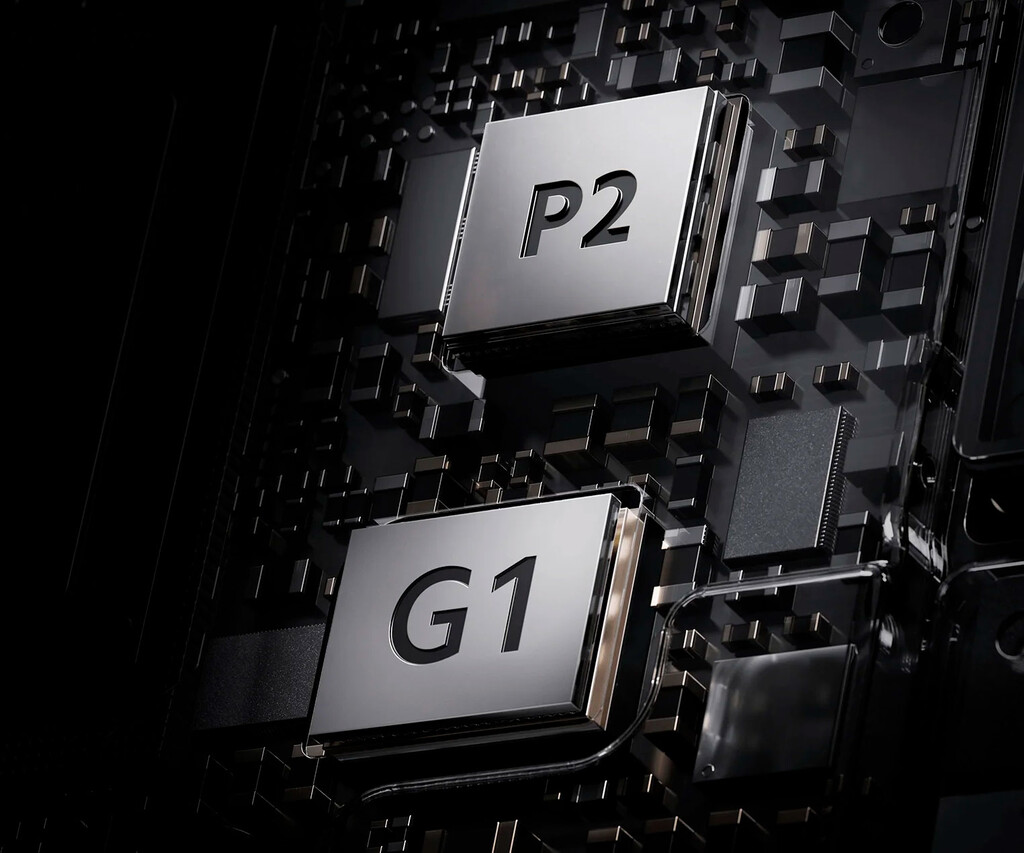
As batteries grow larger and charging speeds increase, the PMIC's job becomes more complex. It must balance fast charging with safety and longevity. Poor power management can lead to overheating, reduced battery lifespan, or even safety hazards. That's why companies like Xiaomi and OPPO are keen to develop or source advanced PMICs.
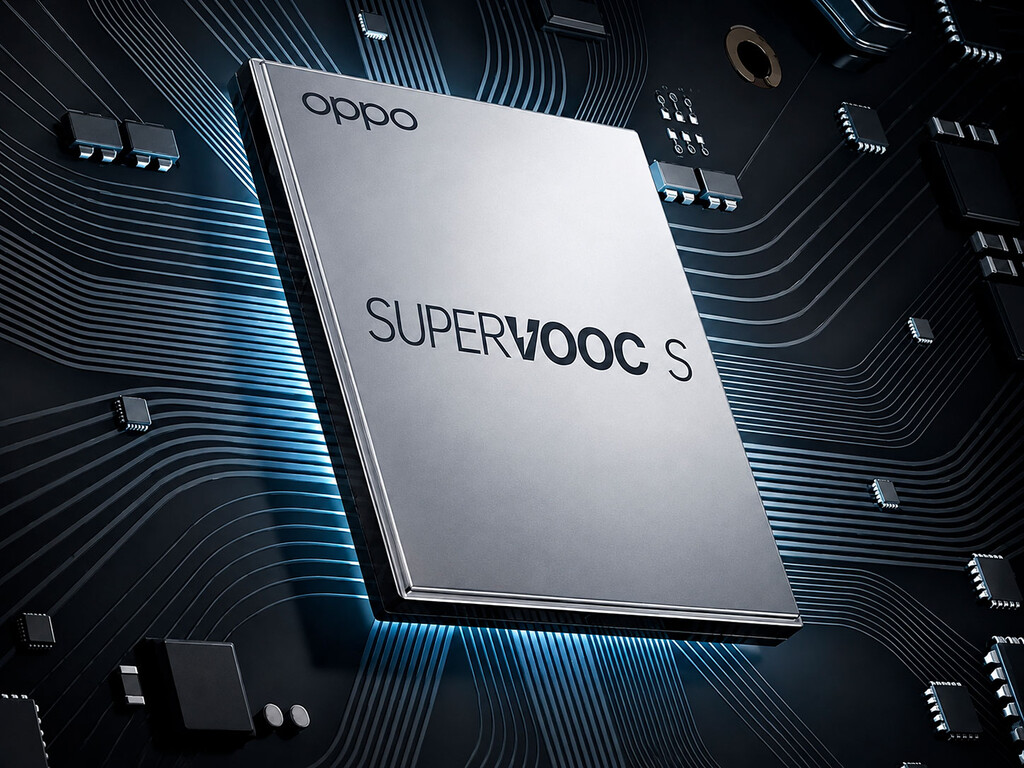
The Investment in Guangdong MicroPowerChip
According to EE Times, Xiaomi and OPPO have invested in Guangdong MicroPowerChip, a relatively young company founded in 2021. Despite its youth, the company has quickly made a name for itself in the semiconductor industry. This investment reflects the maturity and ambition of China's chip sector.
By backing MicroPowerChip, Xiaomi and OPPO are not just securing supply; they are also fostering domestic innovation. This aligns with China's broader push for semiconductor self-sufficiency. The move could lead to customized PMICs tailored to each brand's specific needs, potentially giving them a competitive edge.
What This Means for Consumers
For everyday users, this investment could translate into tangible benefits: longer battery life, faster charging, and safer devices. As Xiaomi and OPPO integrate custom PMICs into their phones, we may see improvements in power efficiency that go beyond simply increasing battery size.
Moreover, competition in the PMIC space could drive down costs and accelerate innovation. Other manufacturers may follow suit, leading to a wave of smartphones with smarter power management. Ultimately, consumers win when companies invest in foundational technologies.
The Bigger Picture: The Battery Arms Race
The smartphone industry has been in a battery arms race for years, with brands touting larger capacities and faster charging. But the focus is shifting from raw capacity to overall efficiency. Silicon-carbon batteries, for example, offer higher energy density, but they require sophisticated PMICs to manage them effectively.
As we noted in our analysis of business trends, vertical integration in the supply chain is becoming a key strategy for tech giants. Xiaomi and OPPO's investment is a clear example of this trend. By controlling more of the stack, they can optimize performance and differentiate their products.
Key Takeaways
- Xiaomi and OPPO have invested in Guangdong MicroPowerChip, a PMIC specialist.
- PMICs are crucial for battery efficiency, charging speed, and safety.
- The investment aims to reduce reliance on external suppliers and foster domestic innovation.
- Consumers can expect better battery performance and faster charging in future devices.
- This move reflects a broader trend of vertical integration in the smartphone industry.
Comparing PMIC Capabilities
To understand the impact of PMICs, consider how they differ across devices. The table below outlines key PMIC features and their benefits.
| Feature | Benefit |
|---|---|
| Charging regulation | Ensures safe and fast charging without overheating |
| Power monitoring | Tracks consumption to optimize battery life |
| Voltage conversion | Provides stable power to components |
| Thermal management | Prevents overheating and extends battery lifespan |
What to Watch Next
The investment in MicroPowerChip is just the beginning. We can expect Xiaomi and OPPO to announce devices with custom PMICs in the coming years. It will be interesting to see how these chips perform in real-world scenarios and whether they lead to measurable improvements in battery life. The background to this story is set out in Xiaomi Profits Fall 42% But Chip Investment Accelerates. A related thread runs through Xiaomi 18 Fold: The Most Expensive Xiaomi Yet With a Custom Chip. Earlier coverage in Oppo Find X9 Ultra: 200MP in 10x camera! It comes with the goal of becoming the best! shows how the argument developed.
Additionally, other smartphone makers may respond with their own investments or partnerships. The PMIC market could become a new battleground for differentiation. As the industry moves toward more efficient power management, consumers will benefit from longer-lasting, faster-charging phones. A closer look at the same subject appears in Google Pixel 11 vs Samsung, Oppo, Xiaomi, Vivo: Best Compact Phone of 2026. Anyone following the wider picture can start with realme: All repairs and support move to OPPO from April 1st. The same theme surfaces in Oppo Find N6: The new foldable without a crease on the screen is official, with a 200MP camera and a 6000mAh battery, which takes a different angle.
For now, it's clear that the battery conversation is evolving. It's no longer just about how big the battery is, but how smartly it's managed. Xiaomi and OPPO's move is a step in that direction. Context on how this played out before sits in OPPO Find X10 Review: A Premium Phone Worth the Investment. A companion piece, Oppo Find N5 Foldable Phone Deal: Save Big on a Book-Style Smartphone, approaches the same subject from another angle.
FAQ
What is a PMIC?
A PMIC (Power Management Integrated Circuit) is a chip that manages power distribution, charging, and efficiency in electronic devices. It regulates voltage, monitors consumption, and ensures safe operation.
Why did Xiaomi and OPPO invest in Guangdong MicroPowerChip?
They invested to gain more control over battery performance, reduce reliance on external suppliers, and foster domestic semiconductor innovation. This aligns with their goal of differentiating through better power management.
How will this affect smartphone battery life?
Custom PMICs can optimize power usage, leading to longer battery life and faster, safer charging. Consumers may see devices that last longer on a single charge and charge more efficiently.
What are silicon-carbon batteries?
Silicon-carbon batteries are a new type of lithium battery that uses silicon-carbon composites in the anode, offering higher energy density than traditional graphite anodes. They require advanced PMICs to manage their unique characteristics.
Browse the Shop
 Acacia frida deluxe solid wood bed frame |
Bedroom bench |
Bed chest drawers |
Lingerie dresser |
Frame base |
Mirror with jewelry storage |
30 Bathroom Vanity |
Memory foam queen mattress |
Mattresses for back pain |
Nightstand set of 2 |
Grand Goldman Shop |
Civil Lawyer
Deutschland Trikot WM 2026







