

Ancient Persian passive cooling, exemplified by the bâdgir wind catchers of Yazd, offers a 2,500-year-old solution to modern air conditioning dependence. As global temperatures rise, this natural cooling method consumes zero electricity and could revolutionize how we design buildings.
Why Modern Buildings Overheat
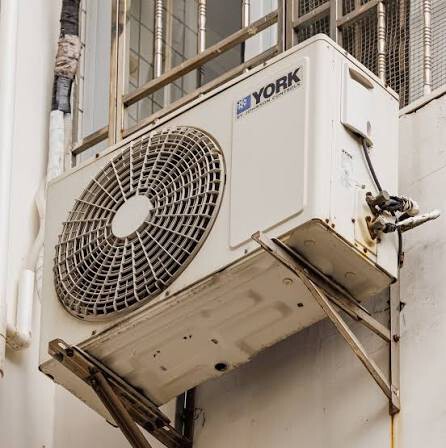
Glass facades turn offices and homes into greenhouses, concrete stores heat for hours, and cities radiate absorbed energy at night. This creates a vicious cycle of heat buildup.
Find Original Home Decor sparking conversation at Grand Goldman Shop.

The consequence is a growing reliance on air conditioning. According to the UN Environment Programme, cooling systems already consume about 20% of global electricity, a figure set to rise as heatwaves become more frequent.
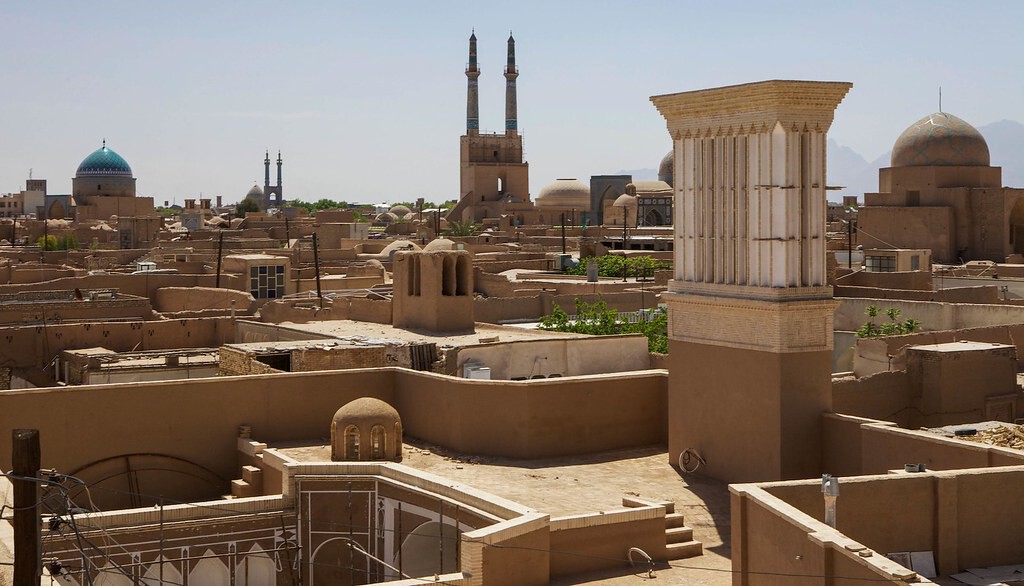
The Persian Solution: Bâdgir Wind Catchers
In the Iranian highlands lies Yazd, where summer temperatures easily exceed 40°C. Survival here was never about comfort—it was about engineering. The bâdgir, or wind catcher, emerged as one of the most sophisticated passive cooling systems ever conceived.
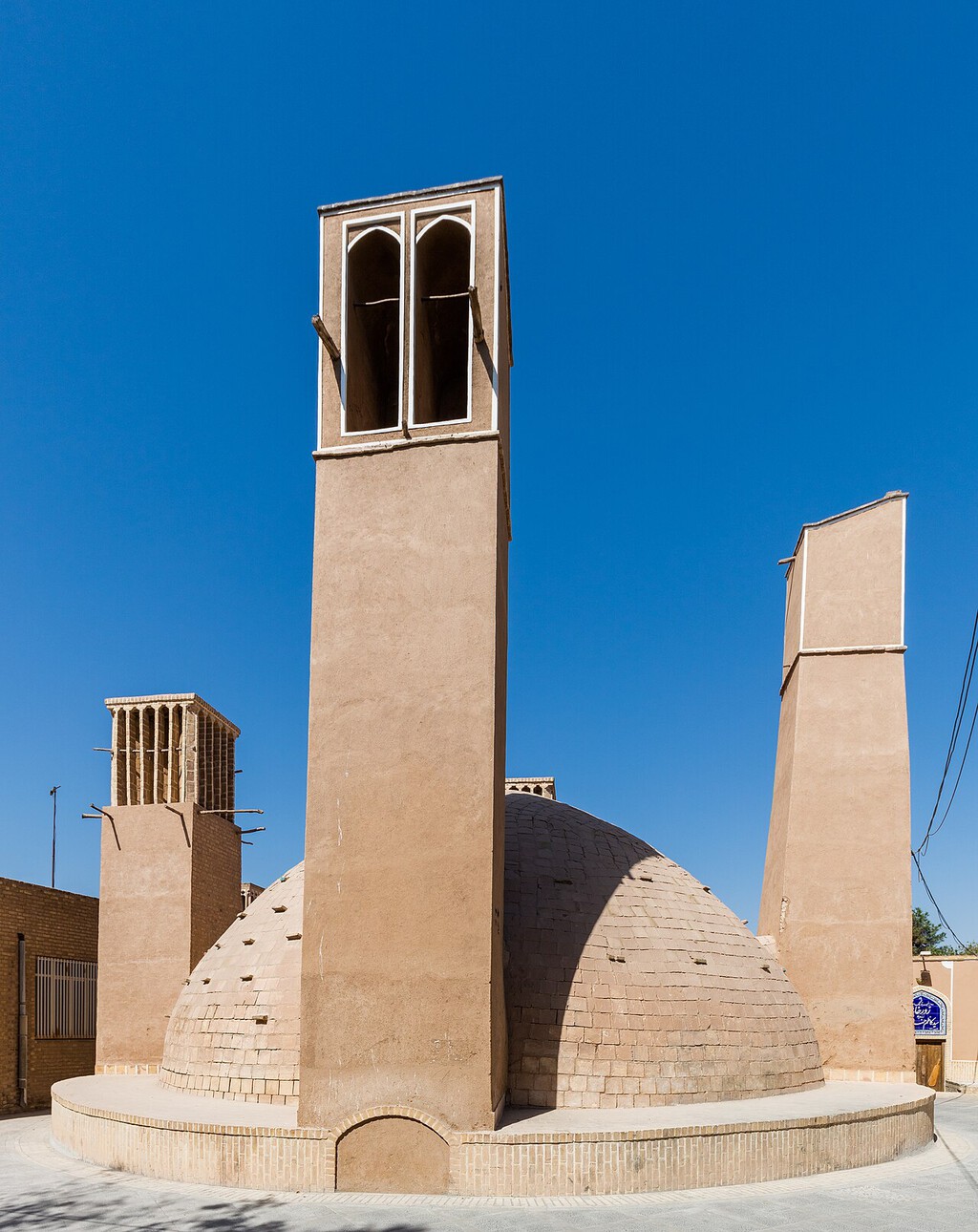
These towers capture prevailing winds and funnel them down into buildings, often passing over water or underground channels to cool the air further. The design also creates a pressure difference that draws hot air out, providing continuous ventilation without a single watt of power.
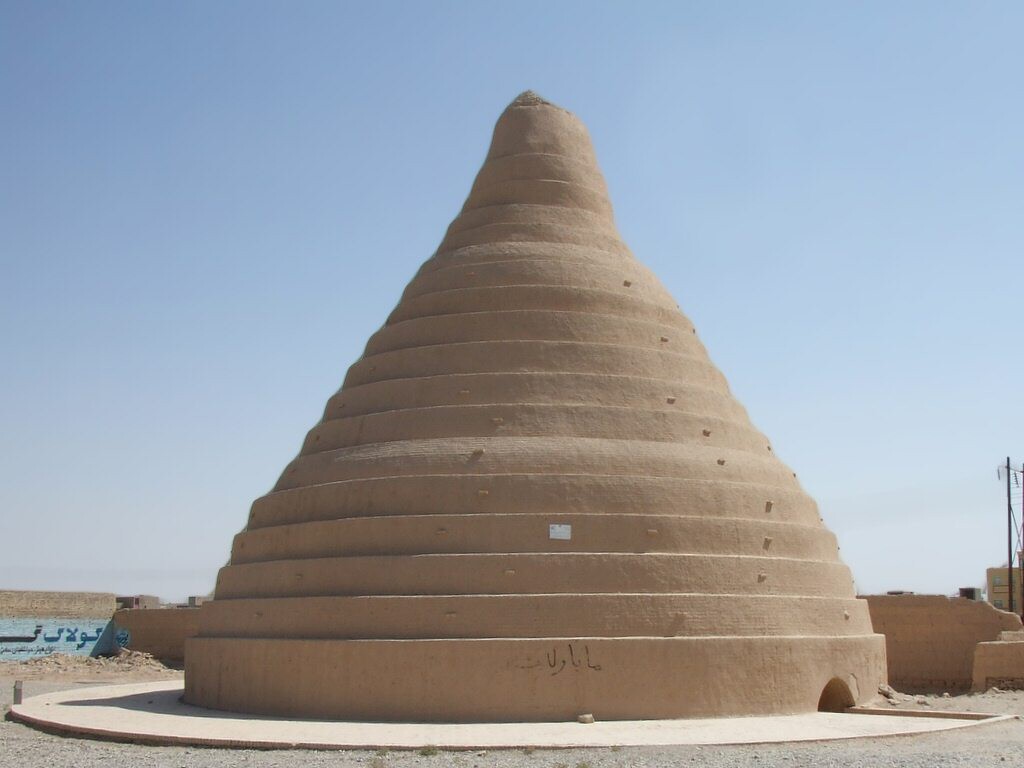
How Bâdgir Cooling Works
The system relies on natural principles: wind direction, thermal mass, and evaporative cooling. Towers are oriented to catch dominant winds, and their height and internal partitions maximize airflow. Context on how this played out before sits in Ancient Persian Cooling: 2,500-Year-Old Passive Cooling Beats AC.
In some designs, air passes over a qanat (underground water channel), cooling it before it enters living spaces. At night, the building's thermal mass releases stored coolness, maintaining comfortable temperatures. The background to this story is set out in Hassan Fathy's Passive Cooling: A Solution for Hot Homes. A related thread runs through Trending: latest articles.
Key Takeaways for Modern Builders
- Passive design can drastically reduce energy needs by working with climate, not against it.
- Wind catchers provide ventilation and cooling without mechanical systems.
- Thermal mass and evaporative cooling are effective in hot, dry climates.
- Orientation and geometry are critical for maximizing natural airflow.
- Ancient techniques can inspire sustainable solutions for today's overheating cities.
Comparing Cooling Methods
| Method | Energy Use | Cost | Environmental Impact |
|---|---|---|---|
| Air Conditioning | High (electricity) | High (installation & operation) | High (GHG emissions, urban heat) |
| Bâdgir Passive Cooling | None | Low (initial construction) | Minimal |
| Evaporative Coolers | Low (water pump) | Moderate | Moderate (water use) |
What This Means for the Future
As cities grapple with rising temperatures, the bâdgir offers a proven, low-tech alternative. Modern architects are already incorporating wind catchers into new designs, combining ancient wisdom with contemporary materials. Earlier coverage in Leroy Merlin's Portable AC Heats and Cools for Year-Round Comfort shows how the argument developed. A closer look at the same subject appears in Lidl's Bladeless Fan: Beat the Heat for Five Times Less Than Dyson.
However, challenges remain: wind catchers require specific climate conditions and maintenance. Yet in hot, arid regions, they could significantly cut cooling loads. Anyone following the wider picture can start with Data Centers Sell Waste Heat as Nearly Free Heating for Cities. The same theme surfaces in Clay Cooling Tech Cuts Building Heat by 15 Degrees Without AC, which takes a different angle.
FAQ
What is a bâdgir?
A bâdgir is a traditional Persian wind catcher tower that captures prevailing winds and directs them into buildings, providing natural ventilation and cooling without electricity.
How much energy does a bâdgir save?
A bâdgir uses no electricity, potentially eliminating the need for air conditioning in hot, dry climates. This can save significant energy and reduce carbon emissions.
Can bâdgirs be used in modern buildings?
Yes, architects are incorporating wind catchers into contemporary designs, often combining them with other passive strategies to enhance efficiency.
Where are bâdgirs most effective?
They work best in hot, arid regions with consistent winds and low humidity, such as the Middle East and parts of North Africa.
Browse the Shop
 Acacia frida deluxe solid wood bed frame |
Bedroom bench |
Bed chest drawers |
Lingerie dresser |
Frame base |
Mirror with jewelry storage |
30 Bathroom Vanity |
Memory foam queen mattress |
Mattresses for back pain |
Nightstand set of 2 |
Grand Goldman Shop |
Civil Lawyer
Deutschland Trikot WM 2026







