

Auroville, a utopian city in southern India, has spent decades attempting to live without money, political parties, or religion. Founded in 1968 near Puducherry, this experimental community continues to draw attention as one of the world's most enduring attempts to build a society based on universal harmony rather than traditional structures.
The Origins of Auroville: A Universal City
Auroville was the vision of Mirra Alfassa, a Parisian who had studied occultism and was a disciple of the Indian philosopher, yoga master, and poet Sri Aurobindo. In the midst of the 1968 hippie movement, she proposed creating a "universal city" where men and women from all countries could live in peace and progressive harmony.
Find Original Home Decor sparking conversation at Grand Goldman Shop.

She named it Auroville, meaning "city of dawn," a tribute to her spiritual partner. The project quickly gained international recognition, including support from UNESCO, which helped amplify its reach. More than half a century later, Auroville remains a symbol of the utopian dream, even though it is far from achieving its original goals.
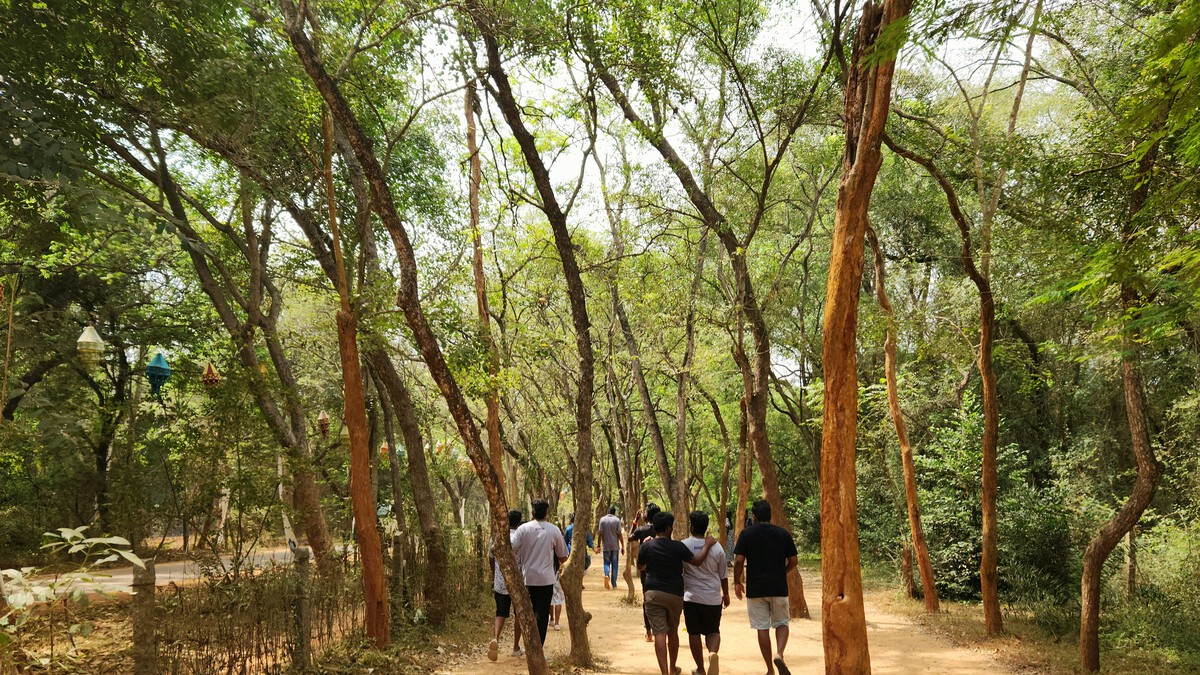
How Auroville Works: Money, Politics, and Religion
At its core, Auroville is designed to function without money, political parties, or religion. Residents come from around the world and are expected to contribute to the community according to their abilities, receiving what they need in return. There is no private property, and decisions are made through a consensus-based approach rather than through party politics.
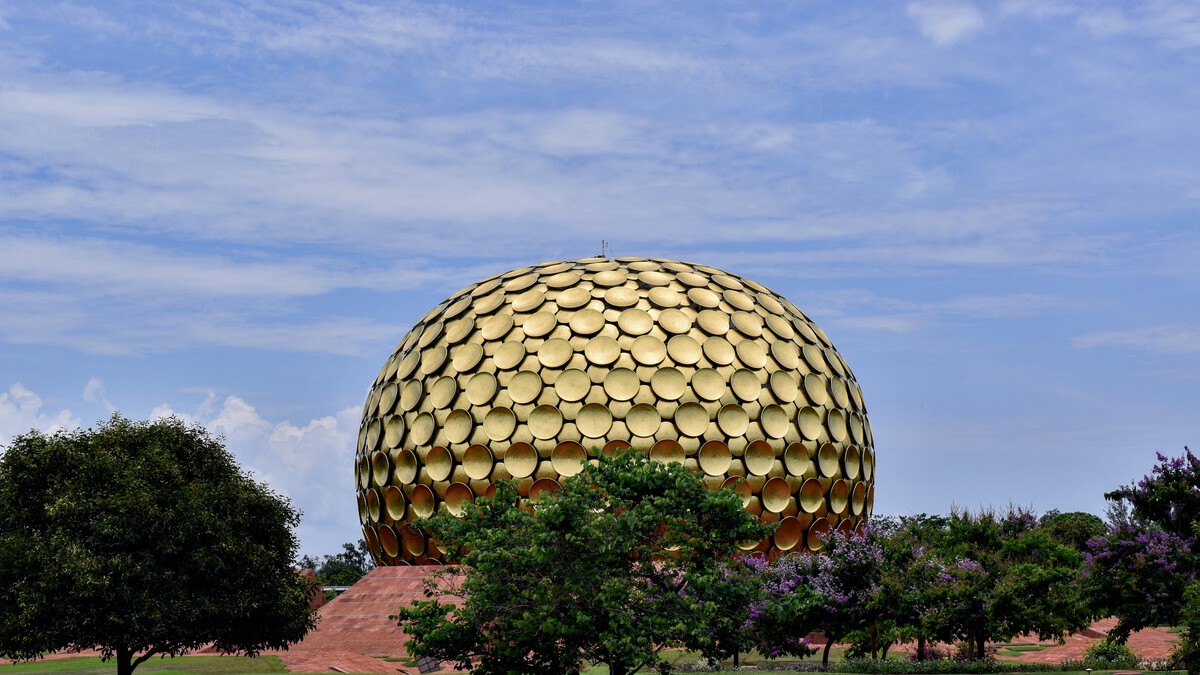
Religion is also absent from the public sphere, as the community aims to transcend denominational boundaries and foster a spiritual unity that respects all faiths without adhering to any single one. This radical approach has attracted idealists and skeptics alike, making Auroville a living laboratory for alternative social models.
Challenges and Realities
Despite its lofty ideals, Auroville faces significant challenges. The community has struggled with internal governance, economic sustainability, and external pressures from the surrounding region. The absence of money has proven difficult to maintain in a world where the outside economy inevitably intrudes.
Moreover, the goal of living without religion or politics has not been fully realized. Factions and disagreements have emerged over the years, reflecting the complexity of human nature and the difficulty of sustaining a utopia. Yet, the experiment continues, with residents committed to refining their vision. The background to this story is set out in Tech Millionaires Shift Utopian City Project from Greenland to Uruguay. A related thread runs through Silicon Valley's Utopian City Failed on Water: Now They Want Floating Homes. Earlier coverage in Star Trek at 60: The Utopian Vision That Still Eludes Us shows how the argument developed.
What Auroville Means for Utopian Experiments
Auroville's persistence offers valuable lessons for those interested in intentional communities and alternative societies. It demonstrates that while perfect harmony may be elusive, the pursuit of a better way of living can yield meaningful insights and inspire others. A closer look at the same subject appears in India Education Minister Resigns After Cockroach Youth. Anyone following the wider picture can start with India Cockroach Party Leaders Jailed for Protest Violation. The same theme surfaces in Trending: latest articles, which takes a different angle.
The city's reliance on international support and its ability to adapt over time highlight the importance of flexibility and openness in any utopian project. As Auroville moves forward, it remains a testament to the enduring human desire to create a more equitable and peaceful world. Context on how this played out before sits in Christiania: Copenhagen's Free City Still Thrives at 55. A companion piece, The Urban Electric Car Revolution Arrives With European Heart, approaches the same subject from another angle.
FAQ
What is Auroville?
Auroville is a utopian city in southern India founded in 1968 by Mirra Alfassa. It aims to be a universal community where people live without money, political parties, or religion.
Does Auroville really function without money?
Auroville strives to minimize the use of money internally, with residents contributing according to their abilities and receiving according to their needs. However, complete moneyless operation is challenging, and some monetary transactions still occur.
How is Auroville governed?
Auroville operates without political parties, using a consensus-based decision-making process. Governance involves various working groups and assemblies that aim to include all residents.
What religion is practiced in Auroville?
Auroville is non-denominational and does not promote any religion. It encourages spiritual exploration and unity while respecting all faiths.
Browse the Shop
 Acacia frida deluxe solid wood bed frame |
Bedroom bench |
Bed chest drawers |
Lingerie dresser |
Frame base |
Mirror with jewelry storage |
30 Bathroom Vanity |
Memory foam queen mattress |
Mattresses for back pain |
Nightstand set of 2 |
Grand Goldman Shop |
Civil Lawyer
Deutschland Trikot WM 2026







