

Brazil has achieved a historic milestone by becoming the first country in Latin America to assemble its own supersonic fighter jet. The rollout of the first Gripen fighter assembled on Brazilian soil marks a leap beyond defense procurement—it signals a new era of industrial capability for the region.
In 1969, Brazil made a decision that many considered outsized for a developing nation: create a state-owned company called Embraer to build its own aircraft. More than half a century later, that bet has produced the world's third-largest aircraft manufacturer, behind only Boeing and Airbus, and one of the most advanced aerospace industries outside traditional powers.
Find Original Home Decor sparking conversation at Grand Goldman Shop.

Why This Supersonic Fighter Jet Matters Beyond Defense
The first supersonic fighter jet assembled in Brazil is not just a new aircraft for the Brazilian Air Force. It represents an industrial achievement that few nations have reached. For decades, the ability to manufacture supersonic combat aircraft was reserved for a very small group of powers.In a region accustomed to importing advanced combat systems, Brazil has joined an exclusive club where the capacity to build supersonic aircraft is as important as possessing them. This shift has profound implications for national pride, technological sovereignty, and economic development.
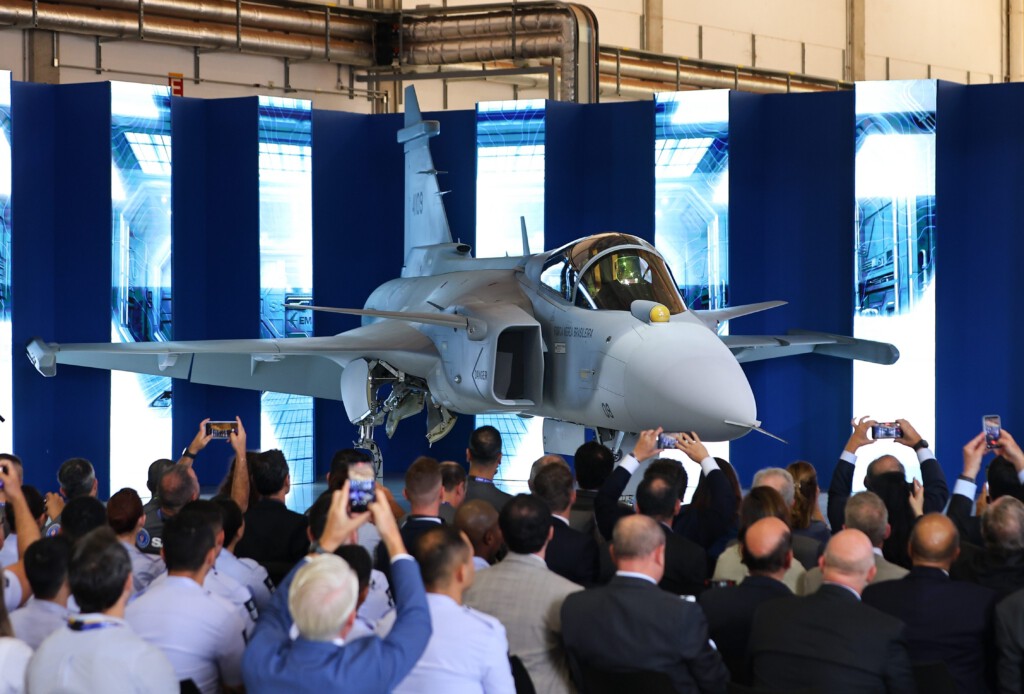
The Gripen Program: A Strategic Partnership
The Gripen program began with a contract signed in 2014 between Brazil and Sweden's Saab for the acquisition of 36 aircraft. But from the start, the goal went far beyond buying planes. The agreement included extensive technology transfer, allowing Brazil to assemble and eventually develop its own fighter.
This partnership has enabled Brazilian engineers and technicians to gain hands-on experience with cutting-edge aerospace manufacturing. The knowledge spillover into other sectors—such as materials science, avionics, and systems integration—could yield benefits for years to come.
- First in Latin America: Brazil is the only country in the region to assemble a supersonic fighter jet.
- Industrial leap: The program builds on Embraer's decades of aerospace expertise.
- Technology transfer: The Saab partnership includes training and know-how for Brazilian industry.
- Economic spillovers: Advanced manufacturing skills can boost other high-tech sectors.
- Regional leadership: Brazil strengthens its position as a defense and industrial power.
Embraer's Role in the Supersonic Fighter Jet Program
Embraer's journey from a state-owned startup to a global aerospace player is central to this achievement. The company has long produced commercial and military aircraft, but supersonic fighters represent a new level of complexity.
By assembling the Gripen, Embraer and its partners are demonstrating that Brazil can handle the rigorous demands of supersonic flight—aerodynamics, materials, and systems integration. This capability could open doors to future exports and collaborations.
Comparing Brazil's Aerospace Milestones
| Year | Milestone | Significance |
|---|---|---|
| 1969 | Embraer founded | Launch of Brazil's aerospace industry |
| 2014 | Gripen contract signed | Technology transfer and local assembly |
| 2023 | First Gripen assembled in Brazil | Latin America's first supersonic fighter production |
The table highlights how Brazil's aerospace ambitions have evolved over five decades. Each milestone built on the previous one, culminating in the ability to produce a supersonic fighter jet.
What This Means for Latin America's Defense Landscape
Brazil's achievement could inspire neighboring countries to pursue similar industrial strategies. However, the barriers to entry are high—requiring sustained investment, education, and partnerships.
For Brazil, the benefits extend beyond military readiness. A robust defense industry creates jobs, fosters innovation, and reduces dependence on foreign suppliers. It also enhances Brazil's bargaining power in international relations. The background to this story is set out in European Future Fighter Jet Program Collapses: France, Germany, Spain Split. A related thread runs through Airbus U740 Valkyrie: Germany's Plan B for Fighter Jet Gap. Earlier coverage in Spain's Fighter Jet Dream Derailed by Italy Rivalry shows how the argument developed.
Challenges and Opportunities Ahead
Despite the progress, challenges remain. Brazil must sustain its investment in research and development, and ensure that the technology transfer leads to indigenous capabilities. The global fighter market is highly competitive, and Brazil will need to prove its reliability as a producer. A closer look at the same subject appears in Europe's Fighter Jet Plans in Disarray: What Happens Next. Anyone following the wider picture can start with Brazil Election 2026: Lula vs Bolsonaro Son Campaign. The same theme surfaces in Trump's Western Hemisphere Control: Brazil as the Ultimate Prize, which takes a different angle.
Opportunities include potential exports to other Latin American countries and deeper integration with global supply chains. The Gripen program could serve as a model for other high-tech sectors. Context on how this played out before sits in Brazil Election 2026: Lula vs Bolsonaro Showdown Impact. A companion piece, F-35 Fighter Jet Parts Missing in Hong Kong: Australia Investigates, approaches the same subject from another angle.
FAQ
What is the significance of Brazil assembling a supersonic fighter jet?
It makes Brazil the first Latin American country to have the industrial capacity to assemble supersonic fighters, placing it in an exclusive group of nations and boosting its technological sovereignty.
Which company partnered with Brazil on the Gripen program?
Brazil partnered with Sweden's Saab in a 2014 contract that included technology transfer and local assembly of 36 Gripen aircraft.
How does this affect Embraer?
Embraer plays a key role in the assembly and gains valuable experience in supersonic technology, strengthening its position as a global aerospace player.
What are the economic benefits for Brazil?
The program creates high-skilled jobs, fosters innovation, and can lead to exports and further industrial development in related sectors.
Brazil's achievement is a testament to long-term vision and strategic partnerships. It shows that with determination and investment, developing nations can break into high-tech industries previously dominated by established powers.
Browse the Shop
 Acacia frida deluxe solid wood bed frame |
Bedroom bench |
Bed chest drawers |
Lingerie dresser |
Frame base |
Mirror with jewelry storage |
30 Bathroom Vanity |
Memory foam queen mattress |
Mattresses for back pain |
Nightstand set of 2 |
Grand Goldman Shop |
Civil Lawyer
Deutschland Trikot WM 2026







