

China has transformed Antelope Reef in the South China Sea into a 607-hectare artificial island in just ten months, moving over a million tons of sand in a rapid militarization effort. Satellite imagery from August shows the reef, once submerged and barely visible at low tide, now hosts a landmass about six kilometers long, protected by dikes and crisscrossed by interior roads. The speed of construction marks a significant leap from China's earlier island-building projects in the Spratly chain, which took years to complete.
From Submerged Reef to Strategic Outpost
Less than a year ago, Antelope Reef was an underwater feature in the South China Sea, difficult to spot except at low tide. By late 2025, a fleet of Chinese suction dredgers had arrived, reportedly with their AIS transponders turned off, and began round-the-clock sand extraction and deposition. The result is a sprawling artificial island roughly the size of 850 FIFA-standard soccer fields.
Find Original Home Decor sparking conversation at Grand Goldman Shop.

The transformation is part of China's broader strategy to assert control over disputed waters. The island's dikes and roads suggest preparations for further infrastructure, potentially including airstrips or military installations, though no official details have been released.

How China Built the Island So Quickly
The operation relied on a large fleet of dredgers that pumped sand from the seabed onto the reef. According to available reports, the dredgers worked continuously for ten months, moving more than a million tons of sand. This pace is far faster than China's earlier island-building efforts in the Spratlys over a decade ago, which required several years.
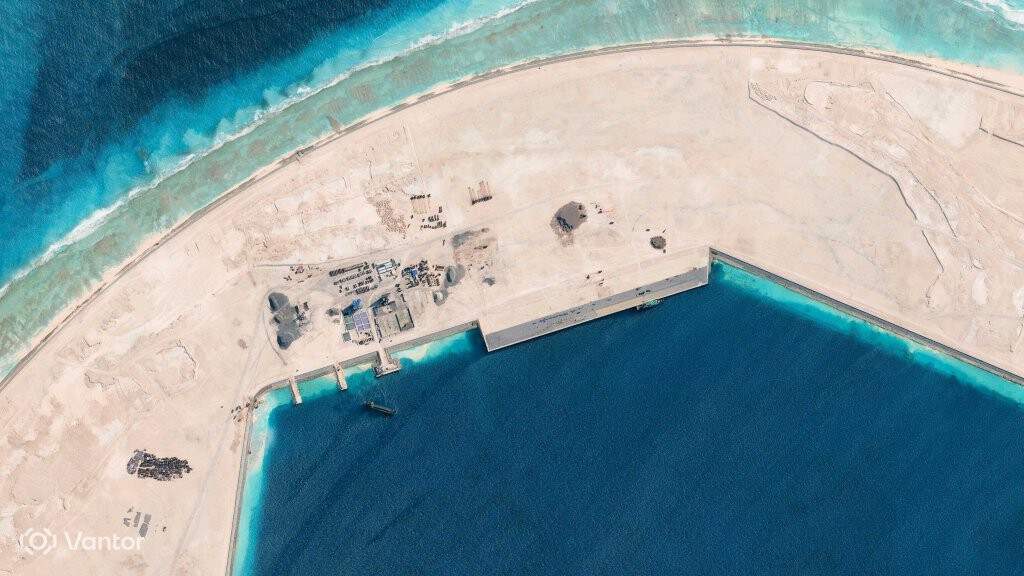
Improved dredging technology and experience from previous projects have enabled China to accelerate such construction. The use of AIS blackouts also suggests a desire to avoid international scrutiny during the buildup.
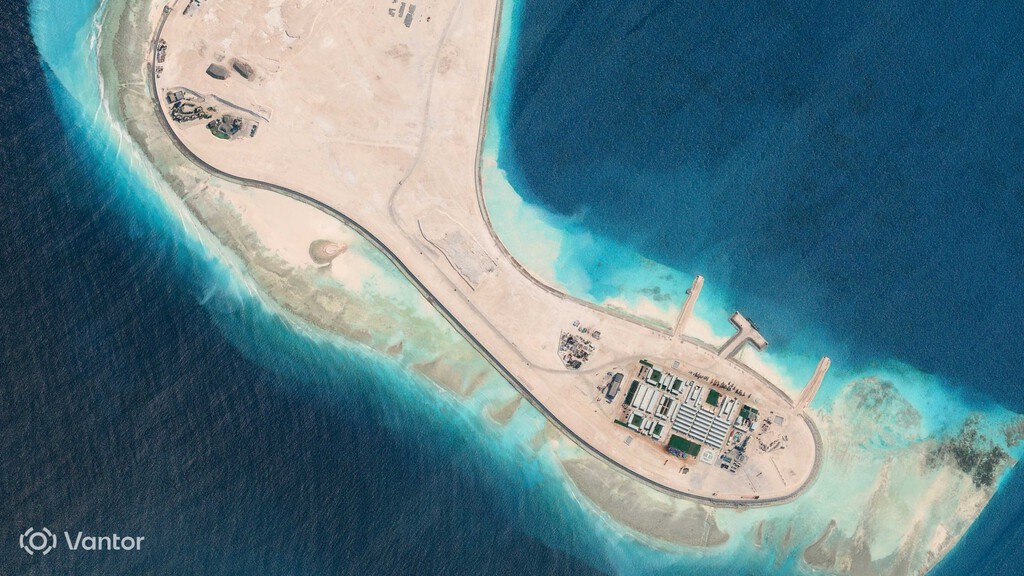
Why the Speed Matters
The rapid creation of a military-capable island underscores China's growing capability to project power in the region. It also raises concerns for neighboring countries and the international community, as the construction may violate international law and undermine regional stability.
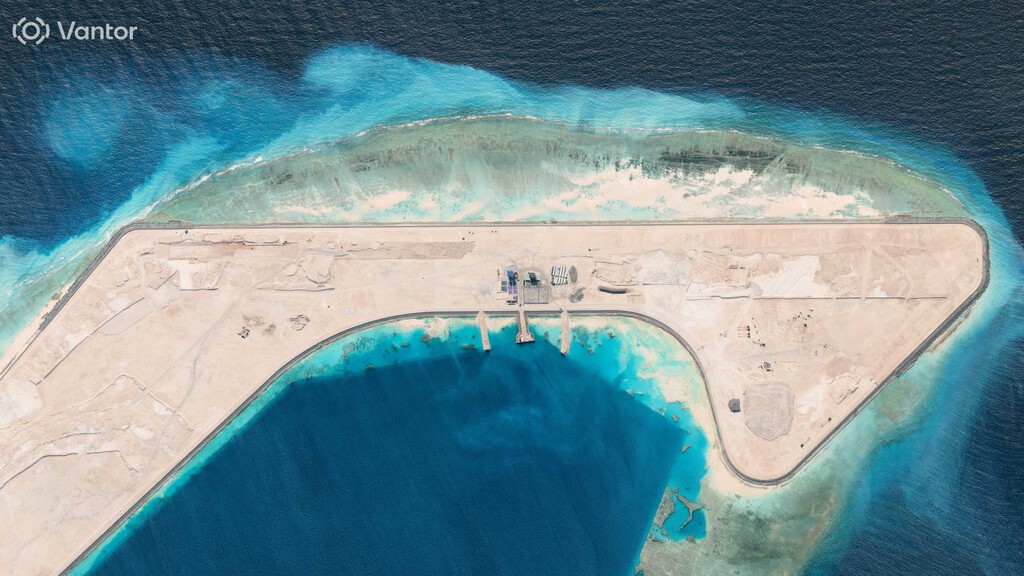
The South China Sea is a critical trade route, and any militarization could escalate tensions. The Philippines, Vietnam, and other claimant states have historically protested similar Chinese activities.
- China built a 607-hectare artificial island at Antelope Reef in just ten months.
- Over a million tons of sand were dredged and deposited around the clock.
- The island is about six kilometers long and protected by dikes and roads.
- The speed far exceeds China's earlier Spratly island-building projects.
- The move likely aims to strengthen China's military presence in the South China Sea.
What the Satellite Images Reveal
August satellite imagery showed a fully formed landmass where previously there was only ocean. The island's dimensions and infrastructure suggest it could support a range of military and civilian functions. Analysts note that the dikes are designed to protect against erosion, while the interior roads provide access across the island.
The images also indicate that construction may continue, with space for additional facilities. The lack of official Chinese commentary leaves room for speculation about the island's intended use.
International Reactions and Legal Questions
The construction has drawn criticism from other claimant states and international observers. The Permanent Court of Arbitration ruled in 2016 that China's claims in the South China Sea have no legal basis, but China rejects that ruling. The new island could further complicate diplomatic efforts to resolve disputes. Context on how this played out before sits in China Builds 607-Hectare Artificial Island in South China Sea.
Regional powers are likely to monitor the situation closely, and the United States has previously conducted freedom of navigation operations in the area. The speed of this project may prompt calls for a stronger response. The background to this story is set out in Australia Warns China: No Bullying Over Provocative Military. A related thread runs through Australia Warns China: No Bullying Amid Military Buildup.
| Feature | Details |
|---|---|
| Location | Antelope Reef, South China Sea |
| Size | 607 hectares (about 850 soccer fields) |
| Length | Approximately 6 kilometers |
| Construction time | 10 months |
| Sand moved | Over 1 million tons |
| Protection | Dikes and interior roads |
What to Watch Next
China's next steps will be telling. If the island is militarized, it could host radar, missile systems, or airstrips, further challenging regional stability. The international community will also watch whether China attempts similar rapid builds at other reefs. Earlier coverage in US Navy Destroyer Loses Power in South China Sea: Readiness Crisis shows how the argument developed. A closer look at the same subject appears in Trending: latest articles.
Diplomatic efforts to curb such activities have so far failed to slow China's momentum. The Antelope Reef project may set a new precedent for speed and scale in artificial island construction. Anyone following the wider picture can start with Boeing 737 Sunk as Artificial Reef: A Diving Attraction. The same theme surfaces in SS Yongala: The 1911 Shipwreck That Became a Thriving Reef, which takes a different angle.
FAQ
What is Antelope Reef and why is it significant?
Antelope Reef is a submerged reef in the South China Sea that China has recently transformed into a 607-hectare artificial island. Its significance lies in the speed of construction and its potential military use, which could alter the regional balance of power.
How did China build the island so quickly?
China used a fleet of suction dredgers that operated continuously for ten months, moving over a million tons of sand. This pace was enabled by advanced dredging technology and experience from previous island-building projects.
What are the legal implications of China's island-building?
The 2016 Permanent Court of Arbitration ruling found China's claims in the South China Sea to have no legal basis, but China rejects that ruling. The new island may violate international law and heighten tensions with neighboring countries.
How have other countries reacted to the construction?
Other claimant states, including the Philippines and Vietnam, have historically protested Chinese island-building. The international community, including the United States, has expressed concerns about militarization and freedom of navigation.
Browse the Shop
 Acacia frida deluxe solid wood bed frame |
Bedroom bench |
Bed chest drawers |
Lingerie dresser |
Frame base |
Mirror with jewelry storage |
30 Bathroom Vanity |
Memory foam queen mattress |
Mattresses for back pain |
Nightstand set of 2 |
Grand Goldman Shop |
Civil Lawyer
Deutschland Trikot WM 2026







