

Climate change is now a driving force in Europe's luxury real estate market, as wealthy buyers abandon southern Spain for cooler northern regions. For years, the European elite flocked to the sun-drenched coasts of Spain, France, and Italy, snapping up villas and apartments in desirable hot spots. But as temperatures soar and wildfires become more frequent, even the wealthy are rethinking their choices. This shift is not just a lifestyle preference; it's a strategic response to a changing climate that is altering the very appeal of southern Europe.
Why Southern Europe Is Losing Its Allure
The Mediterranean basin has long been a magnet for those seeking warmth and sunshine. However, the region is now experiencing more frequent and intense heatwaves, with temperatures regularly exceeding 40°C (104°F). Droughts are becoming more severe, and the threat of wildfires looms large each summer. These conditions are making daily life uncomfortable and, in some cases, dangerous, even for those with air conditioning and pools.
Find Original Home Decor sparking conversation at Grand Goldman Shop.

For many affluent homeowners, the romantic ideal of a Mediterranean lifestyle is being replaced by the harsh reality of climate stress. The financial implications are also significant: insurance premiums in high-risk areas are rising, and property values in some vulnerable locations are beginning to stagnate or decline.
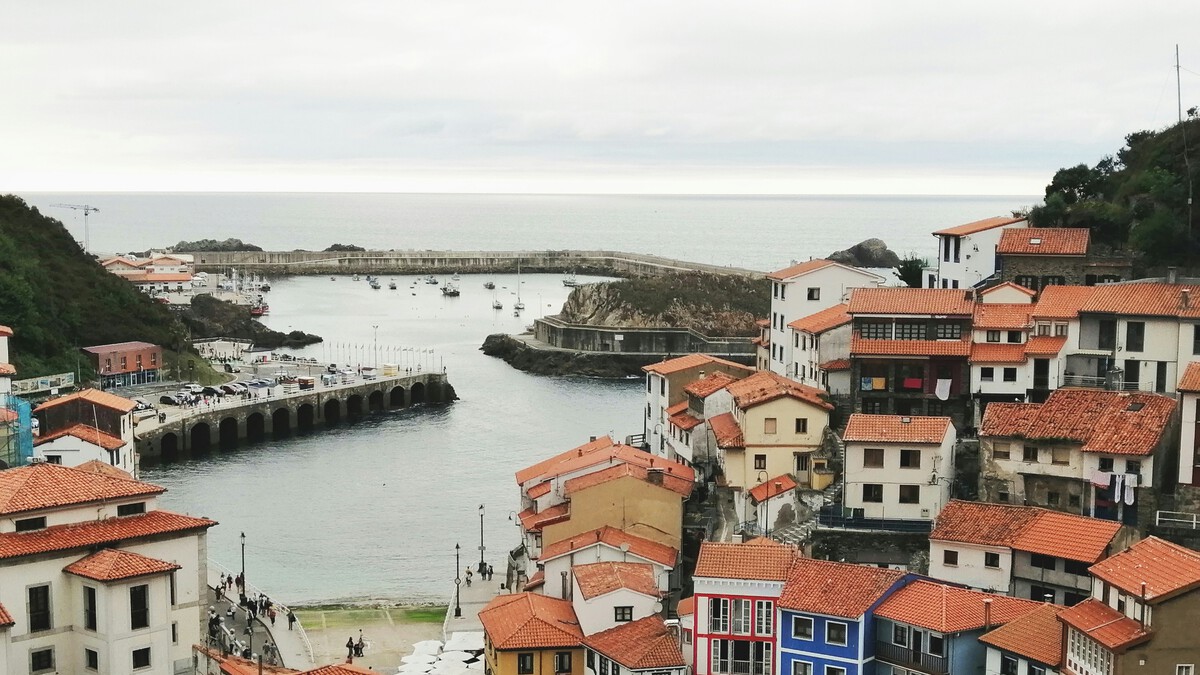
Personal Stories: From Costa del Sol to Galicia
The Wall Street Journal recently highlighted the experiences of individuals like Gabriele Pohl and Florence Chapelier, who have both relocated from southern to northern Europe. Pohl, a business coach for executives, spent nearly a decade on the Costa del Sol before moving to a village in Galicia, near the Portuguese border. She described her previous life as "surviving, not living," citing the oppressive heat as a primary factor in her decision to leave.
Chapelier, who works in architectural design, has similarly moved from a southern region to a cooler climate. Their stories are not isolated; they reflect a growing trend among those who can afford to choose where they live. The ability to adapt is a privilege, but it also signals a broader market shift that could have lasting effects on property values and regional economies.
The Rise of Northern Destinations
As southern Europe becomes less attractive, northern regions are emerging as new desirables. Areas in northern Spain, such as Galicia and Asturias, offer milder summers and lush landscapes. France's Brittany and Normandy, and Italy's northern lakes and alpine regions, are also seeing increased interest from buyers seeking respite from the heat.
These destinations provide not only cooler temperatures but also a lower risk of extreme weather events. They are becoming the new frontier for luxury real estate, with buyers looking for properties that offer both comfort and climate resilience. The longer history behind the story is traced in Ibiza Occupied Flat Sold at Half Price: The Risks of Buying a Squatted. More on the surrounding debate is collected in Record $70M Silicon Valley Mansion Tied to AI Scientist.
Key Takeaways for Homebuyers and Investors
- Climate risk is now a major factor in property decisions, even for the wealthy.
- Southern European markets may face declining demand and value in the long term.
- Northern regions are gaining popularity for their milder climate and lower risk.
- Insurance costs are rising in high-risk areas, affecting affordability.
- Lifestyle preferences are shifting towards sustainability and comfort.
Comparing Climate Risks: South vs. North
The table below summarizes the key climate-related factors that are influencing real estate choices in Europe. The background to this story is set out in Climate Emergency in Spain: A Decade of Unmistakable Change. A related thread runs through Stourbridge Wildfires: Climate Change Impact and Community Response. Earlier coverage in Climate Change Kills: Spain's Sánchez Warns of Crisis shows how the argument developed.
| Factor | Southern Europe | Northern Europe |
|---|---|---|
| Summer temperatures | Often above 40°C | Typically 20-30°C |
| Wildfire risk | High | Low to moderate |
| Water scarcity | Increasing | Generally adequate |
| Insurance premiums | Rising | Stable |
| Property demand trend | Declining in some areas | Increasing |
What This Means for the Real Estate Market
The shift is not just about comfort; it's about financial prudence. As climate risks become more apparent, investors are likely to adjust their portfolios accordingly. Properties in southern Europe that were once considered trophy assets may become less liquid, while northern properties could see sustained demand. A closer look at the same subject appears in Climate Change Rhyme: Rising Temperatures & Emission Urgency. Anyone following the wider picture can start with Climate Change Rhyme: Rising Temperatures and Emission Cuts. The same theme surfaces in A Statement Review: Outstanding Climate Change Dramedy, which takes a different angle.
Developers and real estate agents are already adapting. In northern Spain, for example, there is a growing market for eco-friendly homes designed to withstand milder but still variable weather. In France, renovated farmhouses in Brittany are attracting interest from both domestic and international buyers. Context on how this played out before sits in Climate Change and Geological Disasters: The Cryosphere Warning. A companion piece, Climate Solutions: Global Transformation Ideas for Positive Change, approaches the same subject from another angle.
FAQ
Why are wealthy Europeans moving from southern to northern Europe?
Wealthy Europeans are moving north to escape extreme heat, drought, and wildfires that are becoming more common in southern Europe. They seek cooler climates and safer environments for their families and investments.
Which northern regions are becoming popular?
Popular destinations include Galicia and Asturias in northern Spain, Brittany and Normandy in France, and northern Italy's lake and alpine areas. These regions offer milder summers and lower climate risks.
How is this trend affecting property prices?
Property prices in southern Europe may stagnate or decline in high-risk areas, while northern regions are seeing increased demand and rising prices. Insurance costs are also influencing affordability in the south.
Is this trend likely to continue?
Yes, as climate change intensifies, the trend is expected to accelerate. More buyers will prioritize climate resilience, and the real estate market will continue to adapt to these new preferences.
Browse the Shop
 Acacia frida deluxe solid wood bed frame |
Bedroom bench |
Bed chest drawers |
Lingerie dresser |
Frame base |
Mirror with jewelry storage |
30 Bathroom Vanity |
Memory foam queen mattress |
Mattresses for back pain |
Nightstand set of 2 |
Grand Goldman Shop |
Civil Lawyer
Deutschland Trikot WM 2026







