

In March 2021, Admiral Philip Davidson, then commander of U.S. Indo-Pacific Command, testified before the Senate Armed Services Committee that China could be ready to invade Taiwan by 2027. That prediction, now known as the "Davidson window," has become a cornerstone of Pentagon planning. With 2027 just around the corner, Davidson recently said, "I hope I'm wrong."
Davidson's warning was stark: China was accelerating its ambitions to replace the United States as the dominant power in the Pacific, and Taiwan was the most immediate flashpoint. He told lawmakers that the threat would manifest "in the next six years." Two years later, then-CIA Director William Burns reinforced that assessment, stating that Xi Jinping had ordered his military to be ready to invade Taiwan by 2027.
Find Original Home Decor sparking conversation at Grand Goldman Shop.

What Was the Davidson Window?
The Davidson window refers to the period between 2021 and 2027, during which China could develop the capability to launch a credible invasion of Taiwan. Davidson's testimony was based on intelligence assessments that China's military modernization was outpacing previous estimates. The window was not a prediction that an invasion would happen, but a warning that the capability would exist.
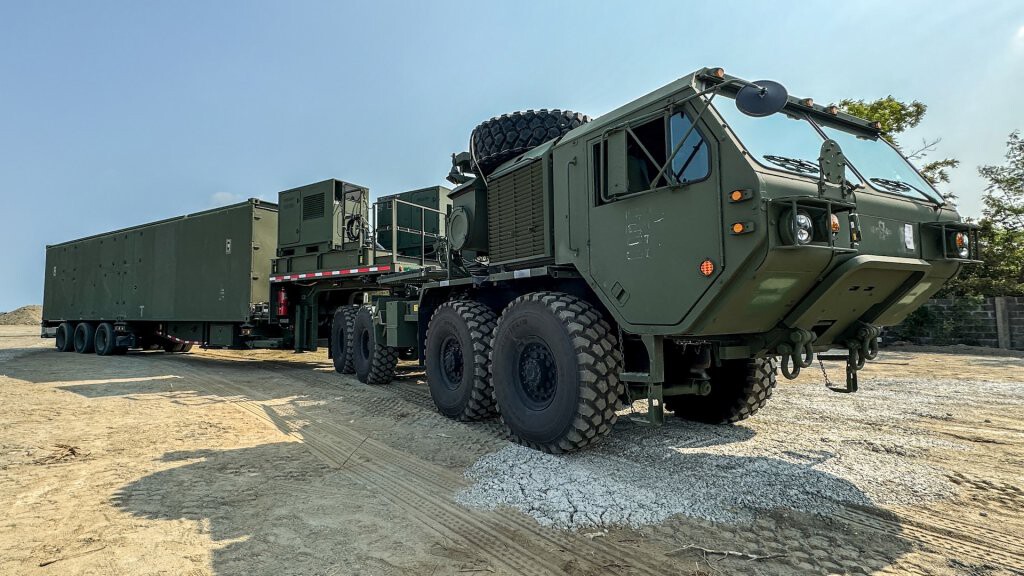
This distinction is crucial. Davidson emphasized that China's threat would manifest during the decade, and his six-year timeline was a call to action for the U.S. to accelerate its own preparations. The window has since shaped U.S. defense strategy, force posture, and arms sales to Taiwan.

Why the Prediction Mattered
Davidson's testimony jolted Washington because it provided a concrete timeline for a threat that had long been discussed in abstract terms. It shifted the debate from if China would invade to when it might be able to. The window became a planning benchmark for the Pentagon, influencing budget priorities and military exercises.
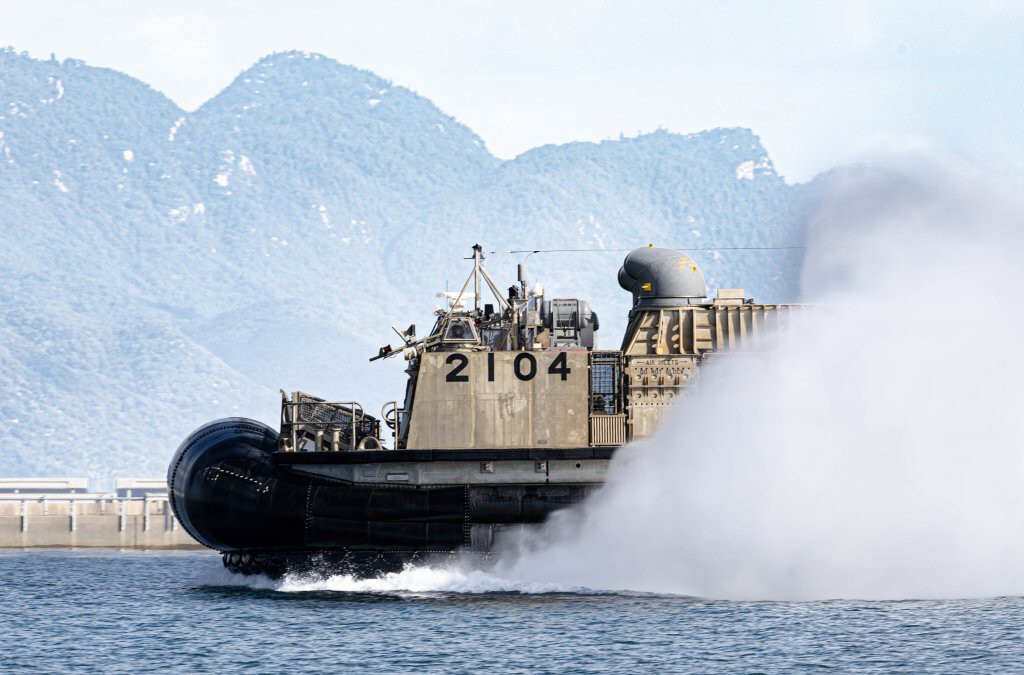
It also put Taiwan front and center in U.S.-China relations. The prediction underscored the urgency of strengthening deterrence, including through increased naval presence and missile defense. For allies in the region, the Davidson window signaled that the U.S. was taking the threat seriously.
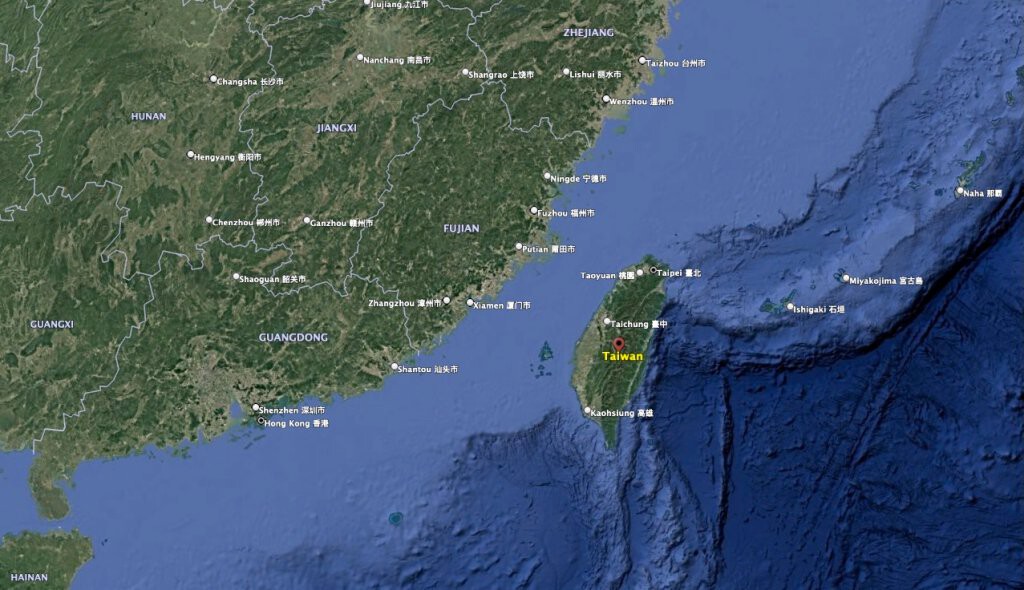
What Has Changed Since 2021?
Since Davidson's testimony, China has continued its military buildup, including a significant expansion of its nuclear arsenal and naval capabilities. The People's Liberation Army has conducted increasingly large-scale exercises around Taiwan, signaling its readiness. Meanwhile, the U.S. has deepened defense ties with Taiwan and bolstered its own Indo-Pacific posture.
However, the core dynamics remain: China's ambitions have not diminished, and the 2027 timeline is now a critical marker. As Davidson himself noted, the hope is that deterrence holds and the window closes without conflict.
Key Takeaways from the Davidson Prediction
- Admiral Davidson's 2021 testimony set a 2027 deadline for China's capability to invade Taiwan.
- The prediction was reinforced by CIA Director William Burns, who said Xi ordered military readiness by 2027.
- The Davidson window has shaped U.S. defense planning and Taiwan policy.
- Davidson recently said he hopes he was wrong, highlighting the uncertainty.
- China's military modernization continues, making the window a critical period.
How the U.S. and China Compare in the Pacific
The military balance in the Pacific is shifting. China has invested heavily in anti-access/area denial (A2/AD) capabilities, while the U.S. maintains a technological edge but faces challenges in force posture. Below is a snapshot of key indicators.
| Indicator | United States | China |
|---|---|---|
| Defense Budget (2023) | ~$858 billion | ~$292 billion (official) |
| Nuclear Warheads | ~5,244 | ~410 (growing) |
| Aircraft Carriers | 11 | 3 (2 operational) |
| Submarines | 68 | 66 |
Note: Figures are approximate and based on publicly available data. China's official defense budget is widely considered understated. The background to this story is set out in Taiwan Deploys HIMARS to Counter China's Invasion Threat. A related thread runs through Ukraine appoints new top commander Mykhailo Drapatyi. Earlier coverage in Ukraine War: Mykhailo Drapatyi Takes Over as Top Commander shows how the argument developed.
What to Watch as 2027 Approaches
As the Davidson window closes, several indicators will signal whether the prediction was accurate. These include China's military exercises, its naval deployments, and political rhetoric from Beijing. The U.S. response, including arms sales to Taiwan and freedom of navigation operations, will also be critical. A closer look at the same subject appears in CIA Director's Moscow Trip Echoes 2021 Pre-Invasion Warning. Anyone following the wider picture can start with Mykhailo Drapatyi: Ukraine's New Commander Ends Soviet Culture. The same theme surfaces in Mykhailo Drapatyi Appointed Ukraine's New Commander-in-Chief, which takes a different angle.
Davidson's recent comments suggest that he remains concerned but hopeful. The window was never a guarantee of conflict, but a warning that the risk would peak. Whether that warning was prescient or overly alarmist will be judged by history. Context on how this played out before sits in Mykhailo Drapatyi: Ukraine's New Commander Aims to End Soviet Cul. A companion piece, China's 40-Day Airspace Closure Larger Than Taiwan Explained, approaches the same subject from another angle.
FAQ
What is the Davidson window?
The Davidson window refers to a 2021 prediction by Admiral Philip Davidson that China could be ready to invade Taiwan by 2027. It has become a key planning assumption for the U.S. military.
Did China confirm the 2027 timeline?
China has not publicly confirmed any timeline. However, CIA Director William Burns stated in 2023 that Xi Jinping had ordered the military to be ready by 2027.
Why does 2027 matter?
2027 is seen as the year when China's military modernization could reach a point where a credible invasion of Taiwan becomes possible. It is a benchmark for U.S. defense planning.
What did Davidson say recently?
Davidson said he hopes he was wrong about the 2027 timeline, indicating that he hopes deterrence succeeds and conflict is avoided.
As the 2027 deadline nears, the stakes for Taiwan and the U.S. could not be higher. The Davidson window has focused attention on the need for robust deterrence and alliance management. For those tracking energy and utilities implications of a potential conflict, the China's 582-ton magnet for artificial sun fusion energy project highlights how strategic resources are intertwined with national security.
Understanding military predictions requires context. The Davidson window is not just about Taiwan; it's about the broader Indo-Pacific security architecture. Analysts continue to debate whether China's capabilities will match its ambitions by 2027.
Ultimately, Davidson's hope that he was wrong reflects the uncertainty inherent in strategic forecasting. Whether the window proves accurate or not, it has already shaped policy and perceptions.
Browse the Shop
 Acacia frida deluxe solid wood bed frame |
Bedroom bench |
Bed chest drawers |
Lingerie dresser |
Frame base |
Mirror with jewelry storage |
30 Bathroom Vanity |
Memory foam queen mattress |
Mattresses for back pain |
Nightstand set of 2 |
Grand Goldman Shop |
Civil Lawyer
Deutschland Trikot WM 2026







