

Eagle Mountain, California, is a prime example of a company town built to support industrial expansion. Founded in 1948 by industrialist Henry J. Kaiser, this planned community housed 4,000 miners and their families, complete with modern amenities. Today, it stands as one of the largest ghost towns in the United States, a stark reminder of how industry can both create and erase communities.
The Birth of Eagle Mountain: A Company Town for the Iron Age
In the post-World War II boom, California needed vast amounts of iron to fuel its industrial growth. Kaiser's solution was ambitious: build an entire city in the desert to house workers extracting iron ore from one of the West's largest deposits. The town was not a mere mining camp but a fully designed community for 4,000 people, connected by an 80-kilometer railway to the Fontana steel mill.
Find Original Home Decor sparking conversation at Grand Goldman Shop.

This investment reflected the optimism of the era, where companies often provided housing and services to attract workers to remote locations. Eagle Mountain was a testament to vertical integration and corporate paternalism.
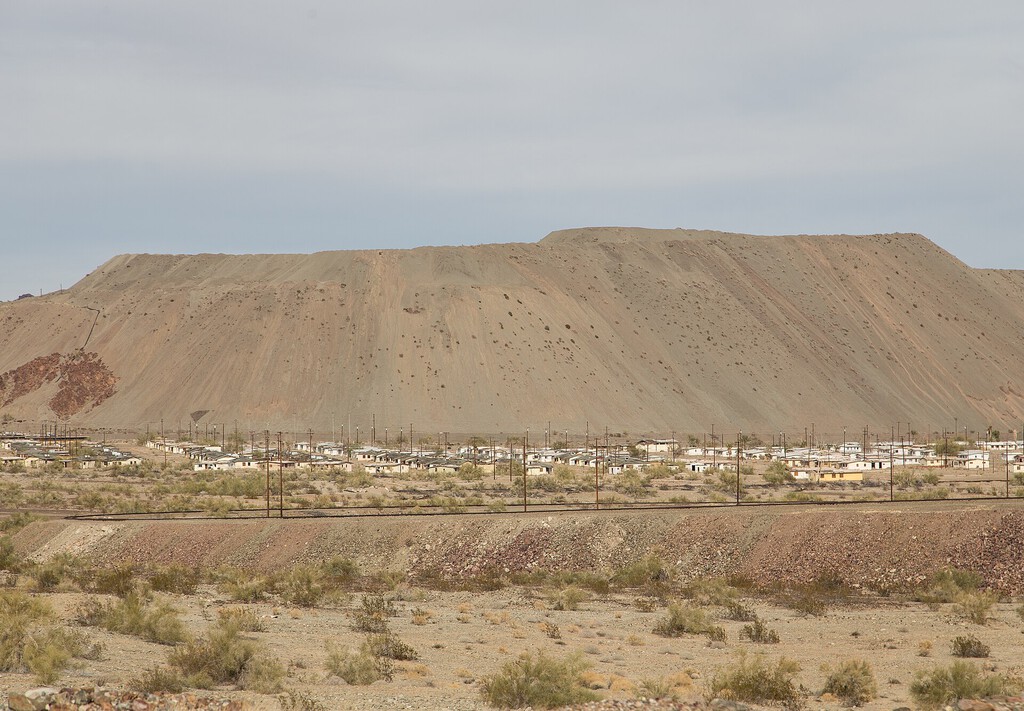
Life in a Self-Sufficient Community
Eagle Mountain grew alongside the mine, eventually boasting over 400 homes, schools, churches, a swimming pool, bowling alley, baseball field, shopping center, and a fully equipped hospital. The tree-lined streets and air-conditioned houses symbolized postwar industrial optimism. If the mine thrived, the town had everything needed for generations to build lives there.
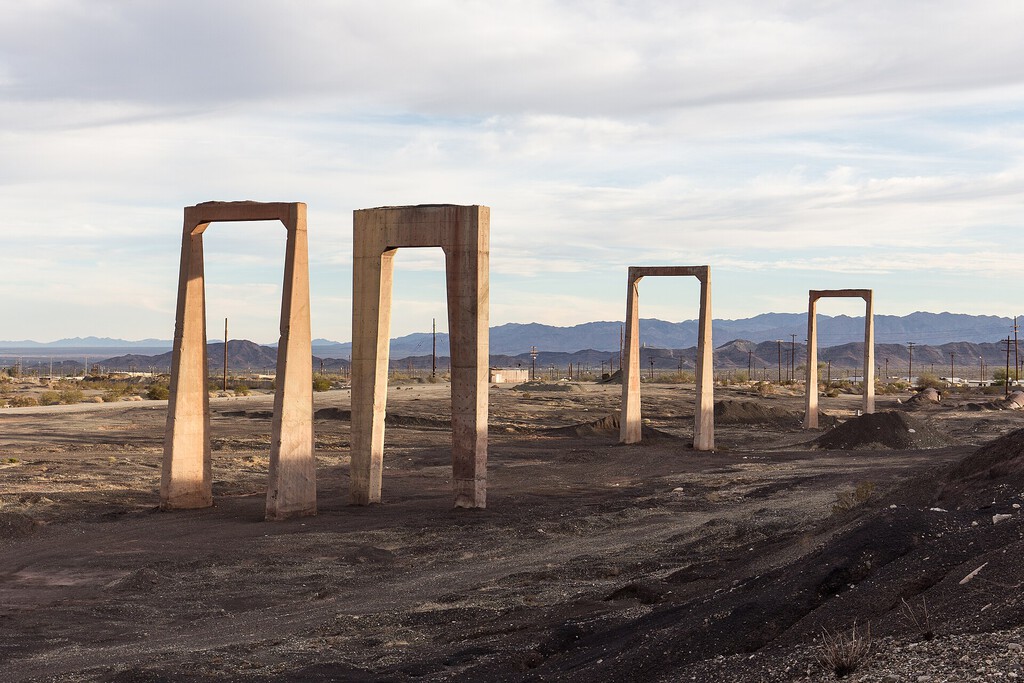
Residents enjoyed a high standard of living for a remote mining town, with recreational and educational facilities that were uncommon in such isolated areas. The company's investment in infrastructure and community services was a key strategy to retain a stable workforce.
The Decline: When the Mine Closed
The mine operated for decades, but changing economic conditions and environmental regulations led to its closure in 1982. Without the mine, the town lost its raison d'être. Residents moved away, and Eagle Mountain became a ghost town. Today, its empty streets and abandoned buildings attract photographers and history enthusiasts, but also raise questions about corporate responsibility and community sustainability.
The story of Eagle Mountain is not unique; many company towns have faced similar fates. However, its scale and completeness make it a powerful case study in industrial life cycles.
Lessons for Business and Community Planning
Eagle Mountain's rise and fall offer valuable lessons for businesses and policymakers. Company towns can provide short-term benefits but often lack economic diversification. When the primary industry collapses, the community collapses with it. Sustainable development requires broader economic foundations and transition planning.
Moreover, the environmental legacy of mining—such as the proposed Eagle Mountain landfill—continues to spark debate, highlighting the long-term impacts of industrial operations. The background to this story is set out in Schrödinger’s Six: T10 Cricket’s Ghost-Town Spectacle. A related thread runs through South African Apartheid History: From 1948 to 1994 and Today. Earlier coverage in Trending: latest articles shows how the argument developed.
- Company towns are highly dependent on a single industry, making them vulnerable to economic shifts.
- Investments in community amenities can attract workers but do not guarantee long-term survival.
- Environmental regulations and resource depletion can accelerate decline.
- Transition planning and economic diversification are crucial for community resilience.
- Ghost towns like Eagle Mountain serve as reminders of the need for sustainable business practices.
Eagle Mountain Today: A Ghost Town with a Controversial Future
Efforts to repurpose the site, including a massive landfill project, have been met with opposition due to environmental concerns. The abandoned town remains a point of interest for urbex enthusiasts and historians, but its future is uncertain. A closer look at the same subject appears in The Spanish Village Buried by Its Own Mine Since the 18th Century. Anyone following the wider picture can start with Wuzhen: China's Water Town That Became a Silk Road Hub. The same theme surfaces in The Real 'Place in La Mancha' Behind Don Quixote Finally Has a Name, which takes a different angle.
As we reflect on Eagle Mountain's history, it's clear that the relationship between industry and community is complex. While companies can create thriving towns, they also bear responsibility for their long-term viability. Context on how this played out before sits in Water Industry Reform: Angela Eagle Confirms Law Change Plan. A companion piece, Eagle Mountain: The California Company Town That Became a Ghost Town, approaches the same subject from another angle.
| Aspect | Details |
|---|---|
| Founded | 1948 by Henry J. Kaiser |
| Population | Approximately 4,000 residents |
| Amenities | 400+ homes, schools, churches, pool, bowling alley, hospital |
| Railway | 80+ km to Fontana steel mill |
| Closed | 1982 (mine closure) |
| Current Status | Ghost town |
FAQ
What is Eagle Mountain, California?
Eagle Mountain is a former company town in California, built in 1948 by Henry J. Kaiser to house miners working at an iron ore mine. It is now a ghost town.
Why was Eagle Mountain abandoned?
The town was abandoned after the mine closed in 1982 due to economic and regulatory pressures, leaving residents without employment.
Can you visit Eagle Mountain?
The town is privately owned and generally not open to the public, but it can be viewed from nearby roads. Urbex enthusiasts sometimes explore it illegally.
What lessons does Eagle Mountain offer for businesses?
It highlights the risks of company towns dependent on a single industry and the importance of economic diversification and transition planning.
Browse the Shop
 Acacia frida deluxe solid wood bed frame |
Bedroom bench |
Bed chest drawers |
Lingerie dresser |
Frame base |
Mirror with jewelry storage |
30 Bathroom Vanity |
Memory foam queen mattress |
Mattresses for back pain |
Nightstand set of 2 |
Grand Goldman Shop |
Civil Lawyer
Deutschland Trikot WM 2026







