

The Extremadura monastery of Santa María de Guadalupe has yielded a major archaeological discovery: the foundations of the building where Queen Isabella ordered the formation of the fleet that would finance Christopher Columbus's first voyage. The find, made in July, sheds new light on the 1491 preparations for the historic expedition.
The remains were uncovered on the old sports court of a boarding school, beneath the western courtyard of the Royal Monastery. Researcher José Carlos Salcedo summarized the significance on social media: "Guadalupe, 1491: where it all began."
Find Original Home Decor sparking conversation at Grand Goldman Shop.

What Was Discovered at Guadalupe Monastery?
The University of Extremadura has brought to light the foundations of a structure that played a crucial role in the age of exploration. According to the researchers, this is the building where Queen Isabella gave the order to assemble the fleet for Columbus's first transatlantic journey.
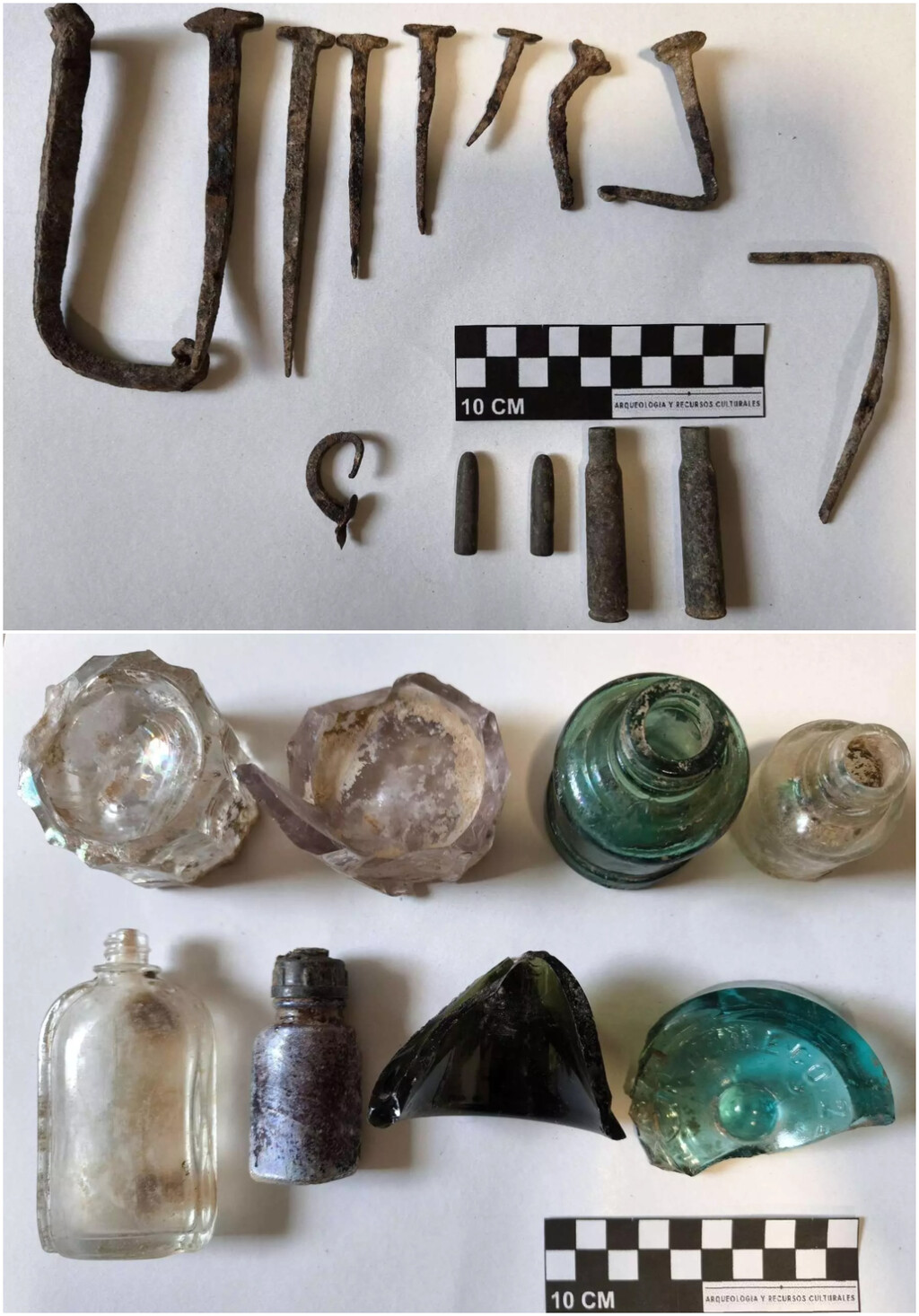
The discovery was made in an unexpected location: under what was once a sports court used by a boarding school. The site lies beneath the western patio of the monastery, a UNESCO World Heritage site that has long been a focal point for Spanish history.
The Role of the Monastery in 1491
Guadalupe was more than a religious center; it was a royal residence and a hub of political activity. In 1486 and 1489, Columbus met with the Catholic Monarchs there to request funding for his proposed voyage. The monastery thus became a key setting for the negotiations that eventually led to the Spanish-sponsored expedition.
The newly discovered foundations date to 1491, the same year that preparations for Columbus's journey were being finalized just meters away. This temporal and spatial proximity underscores the monastery's importance in the events leading up to the voyage.
Who Was the Architect Behind the Building?
The original project is attributed to Juan Guas, a Breton master builder who was one of the most prestigious stonemasons of the 15th century. Guas also designed the Palacio del Infantado in Guadalajara between 1480 and 1483 for the Dukes of Mendoza, and the monastery of San Juan de los Reyes in Toledo, conceived as a royal pantheon after Isabella's victory at the Battle of Toro.
Guas worked on the Royal Hospice of Guadalupe until 1491, the same year that the Columbus expedition preparations were being completed. His involvement adds another layer of historical significance to the discovery.
The Legend of the Devil's Cart
Before his death in Toledo in 1496, Guas left behind myths such as the Legend of the Devil's Cart. According to the tale, he sold his soul to finish the old cathedral of Segovia on time, which is why one of its towers is lower than the other. Such legends reflect the reputation and mystique surrounding this master builder.
Why Does This Discovery Matter?
This find provides tangible evidence of the logistical preparations for Columbus's first voyage, which changed the course of world history. It also highlights the role of Guadalupe as a center of royal power and decision-making. Context on how this played out before sits in Extremadura Monastery Reveals 1491 Columbus Meeting Site. A companion piece, Hernando Colón: The Son of Christopher Columbus Who Mapped Spain, approaches the same subject from another angle.
Moreover, the discovery offers new insights into the work of Juan Guas and the architecture of the period. The foundations add to our understanding of how such monumental projects were organized and executed. The background to this story is set out in Extremadura Style Chard Recipe (Traditional Spanish Greens). A related thread runs through Trending: latest articles.
- The foundations date to 1491, the year before Columbus's first voyage.
- The building was ordered by Queen Isabella to assemble the fleet.
- It was designed by Juan Guas, a renowned 15th-century architect.
- The site is located beneath the western patio of the Royal Monastery of Guadalupe.
- The discovery was made by the University of Extremadura in July.
What Happens Next?
Further archaeological study is expected to reveal more about the structure and its role in the preparations. The University of Extremadura team will likely continue excavating and analyzing the findings. Earlier coverage in The First Beach Bar in History Was Born from a Shipwreck and a Looting shows how the argument developed. A closer look at the same subject appears in Mercadona's 'Store 9' Format Is Quietly Reinventing the Supermarket.
This discovery also raises questions about other undiscovered remains in the area. As research progresses, Guadalupe may yield more secrets about this pivotal moment in history. Anyone following the wider picture can start with Mummified Dog Over Couple in Egypt Tomb Baffles Experts. The same theme surfaces in The Camper Van Wasn't a Volkswagen Invention: It Started With One Customer, which takes a different angle.
| Feature | Details |
|---|---|
| Discovery date | July |
| Location | Old sports court, beneath western patio of Royal Monastery of Guadalupe |
| Year of foundations | 1491 |
| Architect | Juan Guas |
| Historical significance | Site where Queen Isabella ordered the formation of Columbus's fleet |
FAQ
What exactly was found at the monastery?
Researchers found the foundations of a building dating to 1491, which Queen Isabella ordered to be used for assembling the fleet for Columbus's first voyage. The remains were located under a former sports court.
Why is this discovery important?
It provides physical evidence of the logistical preparations for Columbus's expedition and highlights the monastery's role as a center of royal power. It also adds to our knowledge of architect Juan Guas's work.
Who was Juan Guas?
Juan Guas was a Breton master builder active in the 15th century, known for designing the Palacio del Infantado in Guadalajara and the monastery of San Juan de los Reyes in Toledo. He worked on the Royal Hospice of Guadalupe until 1491.
What is the legend of the Devil's Cart?
It is a myth associated with Juan Guas, claiming he sold his soul to finish the old cathedral of Segovia on time, resulting in one tower being lower than the other.
For those interested in how historical infrastructure projects shape modern development, the recent approval of the Zafra-Jerez road in Extremadura shows how the region continues to balance heritage and progress. The Extremadura Zafra-Jerez road project is a contemporary example of the region's ongoing evolution.
Understanding the past can also inform our approach to travel and exploration today. The story of Columbus's preparations at Guadalupe reminds us of the importance of planning and logistics, much like the careful planning required for any modern journey.
As archaeologists continue to study the site, Guadalupe's role in the age of discovery will become even clearer. This discovery is a testament to the enduring legacy of Spain's historical monuments and the stories they hold.
Browse the Shop
 Acacia frida deluxe solid wood bed frame |
Bedroom bench |
Bed chest drawers |
Lingerie dresser |
Frame base |
Mirror with jewelry storage |
30 Bathroom Vanity |
Memory foam queen mattress |
Mattresses for back pain |
Nightstand set of 2 |
Grand Goldman Shop |
Civil Lawyer
Deutschland Trikot WM 2026







