

The FLOP Museum in Oslo is dedicated to celebrating history's greatest product failures, and it was founded by a former Google employee. This unconventional museum flips the traditional idea of a museum on its head by preserving items that promised much but ultimately flopped.
While most museums curate masterpieces and breakthroughs, this one asks visitors to appreciate the lessons embedded in commercial missteps. It's a bold concept that challenges how we think about success and failure in business.
Find Original Home Decor sparking conversation at Grand Goldman Shop.

What Is the FLOP Museum?
The FLOP Museum is a physical space in Oslo, Norway, that opened its doors on April 15, 2026. The project itself was born in 2025, and it was created by Steffen Kalve, a former Google employee. The museum's mission is to collect and display products and ideas that are considered significant "flops"—commercial failures that didn't live up to expectations.
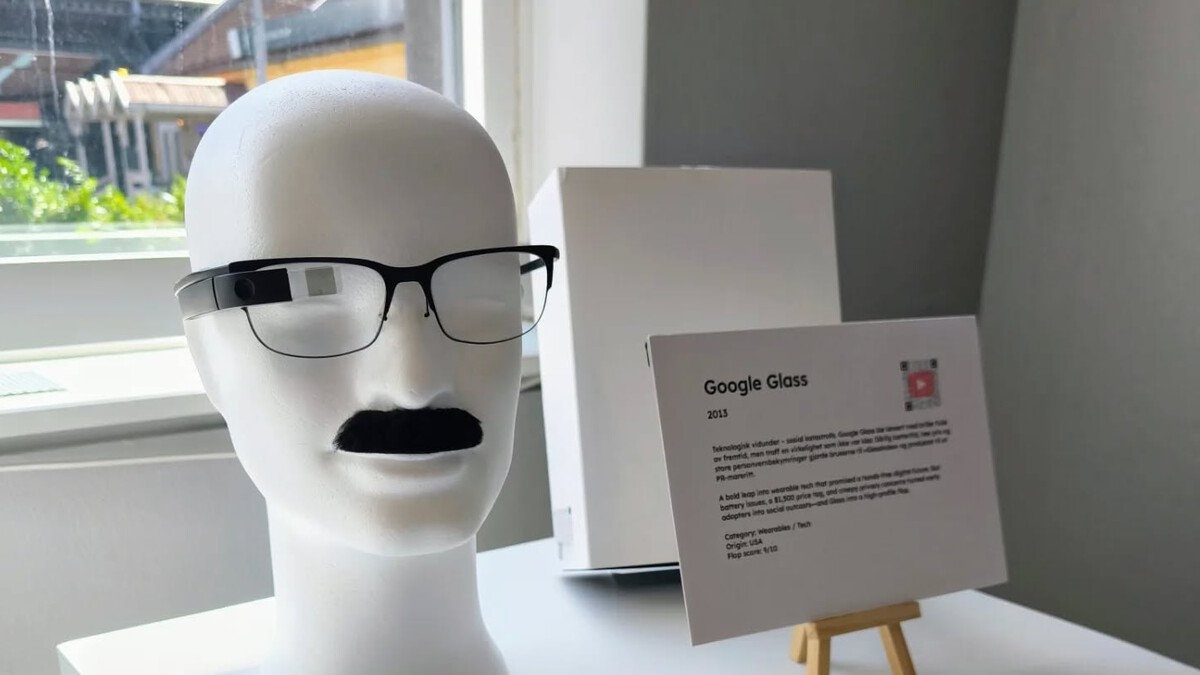
According to the museum's website, this will be its last autumn in Oslo before the objects travel elsewhere, though the next destination hasn't been announced. That makes a visit now particularly timely for anyone interested in business history.
Why Does a Museum Dedicated to Failure Matter?
Failure is often stigmatized in business, but it's also a powerful teacher. By showcasing failed products, the FLOP Museum encourages visitors to examine what went wrong and why. This can be valuable for entrepreneurs, designers, and marketers who want to avoid similar pitfalls.
Moreover, the museum normalizes failure as part of the innovation process. Many successful companies have had their share of flops, and acknowledging them can foster a culture of learning and resilience.
- Learning from mistakes: Failed products offer concrete case studies in what not to do.
- Normalizing failure: It reduces the stigma around taking risks in business.
- Historical perspective: It shows how consumer tastes and technology evolve.
- Inspiration: Some failures were ahead of their time and can spark new ideas.
- Cultural value: These objects are artifacts of commercial history.
What Can Visitors Expect to See?
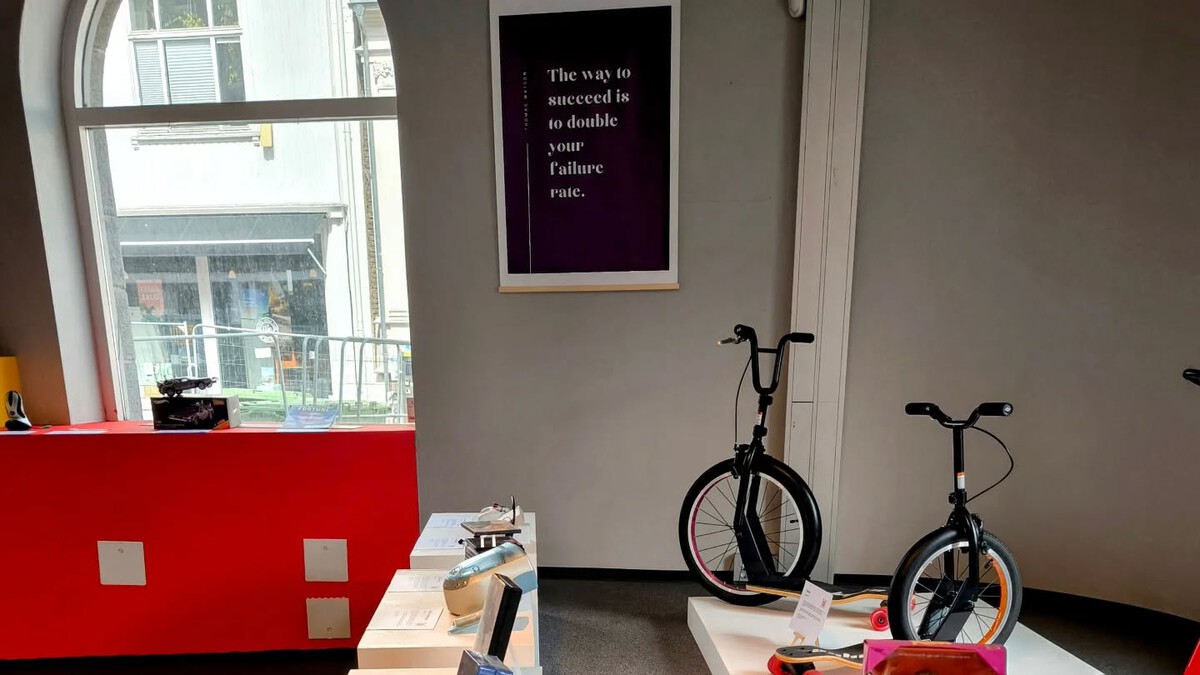
The museum houses more than 270 objects, with around 100 on display at any given time. This rotation ensures that there's always something new to see, and it covers decades of commercial missteps. Some items will be immediately recognizable, while others might be obscure curiosities.
The collection spans various industries, from technology to consumer goods, offering a broad view of how companies have misjudged the market. Each object tells a story of ambition, miscalculation, and sometimes, bad timing.
| Aspect | Details |
|---|---|
| Location | Oslo, Norway |
| Founded | 2025 (physical site opened April 15, 2026) |
| Founder | Steffen Kalve, former Google employee |
| Total objects | Over 270 |
| On display | Approximately 100 at a time |
| Future | Last autumn in Oslo; next destination TBA |
Who Is Behind the FLOP Museum?
Steffen Kalve, the founder, previously worked at Google. His experience in the tech industry likely gave him insight into how even well-funded projects can fail. The museum is a passion project that combines his interest in business, design, and history. The longer history behind the story is traced in Hobonichi Techo: The Japanese Planner That Makes $46 Million a Year.
Kalve's background adds credibility to the museum's mission, as he understands the pressures and pitfalls of innovation firsthand. His transition from tech to museum curation is a testament to the value he sees in learning from failure. The background to this story is set out in AI for Small Business: Lessons from Big Brands. A related thread runs through Trump Orders Signs at Smithsonian Over Museum Inaccuracies. Earlier coverage in Victorian Workhouse Museum: Could You Survive the Gruel? shows how the argument developed.
What Does This Mean for the Business World?
The FLOP Museum serves as a reminder that failure is an inevitable part of business. It encourages companies to take calculated risks and to view failures as learning opportunities rather than dead ends. In an era where innovation is prized, understanding why things fail is just as important as celebrating successes. A closer look at the same subject appears in New Rail Route from Malmö to Oslo: Scenic Coastal Train Travel. Anyone following the wider picture can start with Trending: latest articles. The same theme surfaces in Lidl's $7.99 Wireless Weather Station Solves Home Humidity, which takes a different angle.
For entrepreneurs, the museum offers a chance to see that even giants can stumble. It's a humbling and inspiring experience that can reshape one's approach to product development and marketing. Context on how this played out before sits in 5 Things You Can Do from Your Phone to Prep Your EV for the Morning. A companion piece, FLOP Museum in Oslo: Celebrating History's Greatest Product Failures, approaches the same subject from another angle.
FAQ
Where is the FLOP Museum located?
The FLOP Museum is currently located in Oslo, Norway. It opened its physical site on April 15, 2026, and is set to be in Oslo for its last autumn before moving to a new, yet-to-be-announced location.
Who founded the FLOP Museum?
The museum was founded by Steffen Kalve, a former Google employee. The project began in 2025, and Kalve's tech background informs the museum's focus on commercial failures.
How many objects are in the FLOP Museum's collection?
The museum has over 270 objects in its collection, with around 100 on display at any given time. This rotation allows visitors to see a variety of failed products across different eras and industries.
Why should I visit a museum about failures?
Visiting the FLOP Museum offers a unique perspective on business and innovation. It provides concrete examples of what not to do, normalizes failure as part of the creative process, and offers historical insights into consumer culture and technology.
Browse the Shop
 Acacia frida deluxe solid wood bed frame |
Bedroom bench |
Bed chest drawers |
Lingerie dresser |
Frame base |
Mirror with jewelry storage |
30 Bathroom Vanity |
Memory foam queen mattress |
Mattresses for back pain |
Nightstand set of 2 |
Grand Goldman Shop |
Civil Lawyer
Deutschland Trikot WM 2026







