

The Strait of Gibraltar has long been a critical maritime chokepoint, and now researchers have documented 134 shipwrecks in the Bay of Algeciras alone. This discovery underscores the strategic importance and inherent risks of this narrow passage, which has been a focal point of trade, conflict, and geopolitics for centuries.
Why the Strait of Gibraltar Matters
Every vessel entering or leaving the Mediterranean Sea must pass through the Strait of Gibraltar, creating a natural funnel for global shipping. This mandatory route has made the area a hotspot for naval accidents, military operations, and historical conflicts. The recent findings highlight how this concentration of traffic has left a lasting mark on the seafloor.
Find Original Home Decor sparking conversation at Grand Goldman Shop.

Unlike the Strait of Hormuz, which dominates current geopolitical tensions, the Gibraltar Strait has a longer history of maritime activity. The accumulation of shipwrecks reflects centuries of intense use and the perils of navigating these waters.
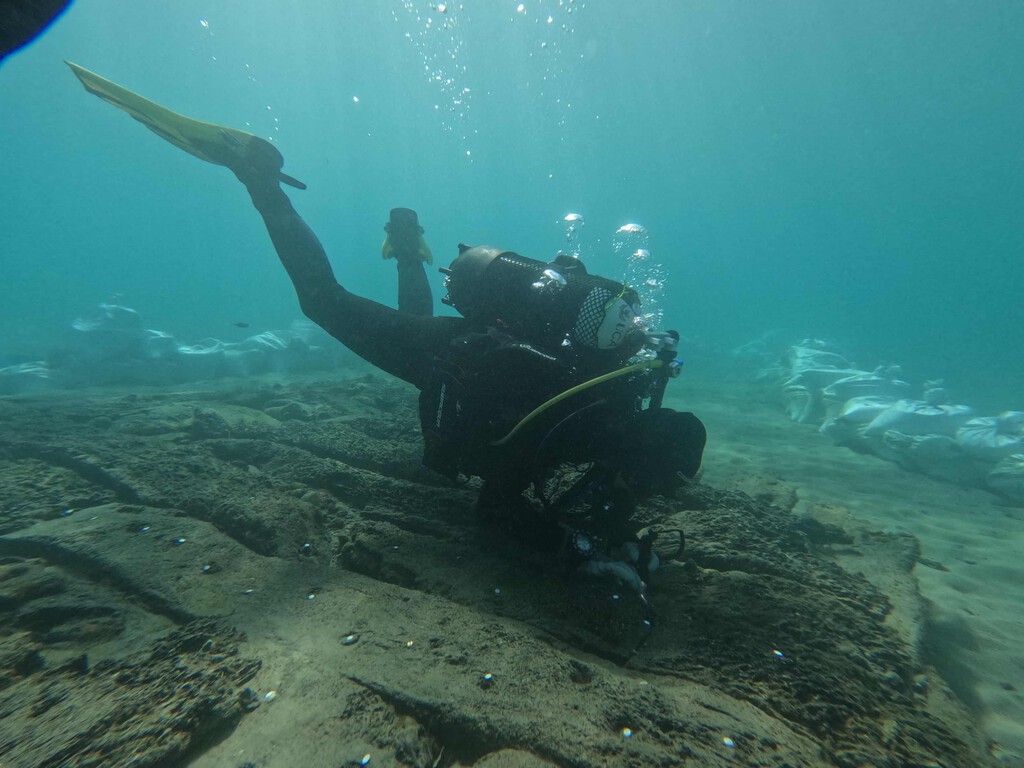
The Herakles Project: Mapping the Past
Archaeologists from the University of Cádiz and the University of Granada recently completed the Herakles Project, a systematic survey that cataloged 134 wrecks and underwater remains in the Bay of Algeciras. Using sonar and other advanced techniques, they confirmed what local fishermen had long suspected: the seabed is littered with historical debris.
The project provides a comprehensive view of the area's maritime heritage, offering insights into shipbuilding, trade routes, and naval warfare over the centuries.
- 134 shipwrecks documented in the Bay of Algeciras.
- Research conducted by the University of Cádiz and University of Granada.
- Project Herakles used sonar and systematic surveys.
- Findings confirm long-held local knowledge of underwater obstacles.
- The Strait of Gibraltar is a mandatory passage for Mediterranean shipping.
What the Shipwrecks Reveal
The wrecks span different periods, indicating that the strait has been a hazardous route for centuries. Each vessel tells a story of trade, war, or accident, and together they paint a picture of the strait's enduring strategic value.
For historians, the wrecks offer a window into past technologies and economies. For modern mariners, they serve as a reminder of the risks that still exist in these waters.
Comparison of Major Maritime Chokepoints
| Strait | Location | Key Characteristic | Historical Significance |
|---|---|---|---|
| Gibraltar | Between Spain and Morocco | Mandatory passage for Mediterranean shipping | Centuries of trade, conflict, and shipwrecks |
| Hormuz | Between Iran and Oman | Major oil transit route | Modern geopolitical tensions |
| Malacca | Between Malaysia and Indonesia | Busiest shipping lane | Historical trade hub |
Implications for Modern Navigation
The discovery of so many wrecks highlights the need for careful navigation in the Strait of Gibraltar. While modern ships have advanced technology, the presence of underwater obstacles remains a concern. The findings also emphasize the importance of maritime archaeology in preserving underwater cultural heritage.
As global shipping continues to grow, understanding these historical hazards can help prevent future accidents and inform conservation efforts. The background to this story is set out in Sweden Tunnel Dig Unearths Six Centuries-Old Shipwrecks. A related thread runs through Venice's $6 Billion Flood Barrier: A Model for Spain's Cádiz Bay. Earlier coverage in Whales in Strait of Gibraltar Are Drowning in Ship Noise shows how the argument developed.
What to Watch Next
Researchers plan to further analyze the wrecks to determine their origins and ages. This could lead to new discoveries about historical trade networks and naval strategies. Additionally, the project may prompt discussions about protecting these underwater sites from looting and damage. A closer look at the same subject appears in Shackleton and Scott Shipwrecks Recreated in 3D Digital Twins. Anyone following the wider picture can start with Shipwrecks of Shackleton and Scott Now 3D Digital Twins. The same theme surfaces in Cádiz Beach Ball Ban: New Rules for Kids' Games on the Sand, which takes a different angle.
The Herakles Project's success also sets a precedent for similar studies in other busy straits, where hidden histories may lie beneath the waves. Context on how this played out before sits in Explosive Cyclogenesis Heads for Gulf of Cadiz, AEMET Prepares. A companion piece, Trending: latest articles, approaches the same subject from another angle.
FAQ
What is the Herakles Project?
The Herakles Project is a research initiative by the University of Cádiz and the University of Granada that cataloged 134 shipwrecks in the Bay of Algeciras using sonar and systematic surveys.
Why are there so many shipwrecks in the Strait of Gibraltar?
The strait is a mandatory passage for all ships entering or leaving the Mediterranean, leading to heavy traffic and a long history of accidents, naval battles, and military operations.
How does this compare to the Strait of Hormuz?
Both are critical chokepoints, but the Strait of Gibraltar has a longer recorded history of maritime activity and conflict, while Hormuz is currently more prominent in geopolitical tensions.
What will happen to the discovered shipwrecks?
Researchers will study them to learn about historical trade and naval warfare. There may also be efforts to protect the sites as underwater cultural heritage.
Browse the Shop
 Acacia frida deluxe solid wood bed frame |
Bedroom bench |
Bed chest drawers |
Lingerie dresser |
Frame base |
Mirror with jewelry storage |
30 Bathroom Vanity |
Memory foam queen mattress |
Mattresses for back pain |
Nightstand set of 2 |
Grand Goldman Shop |
Civil Lawyer
Deutschland Trikot WM 2026







