

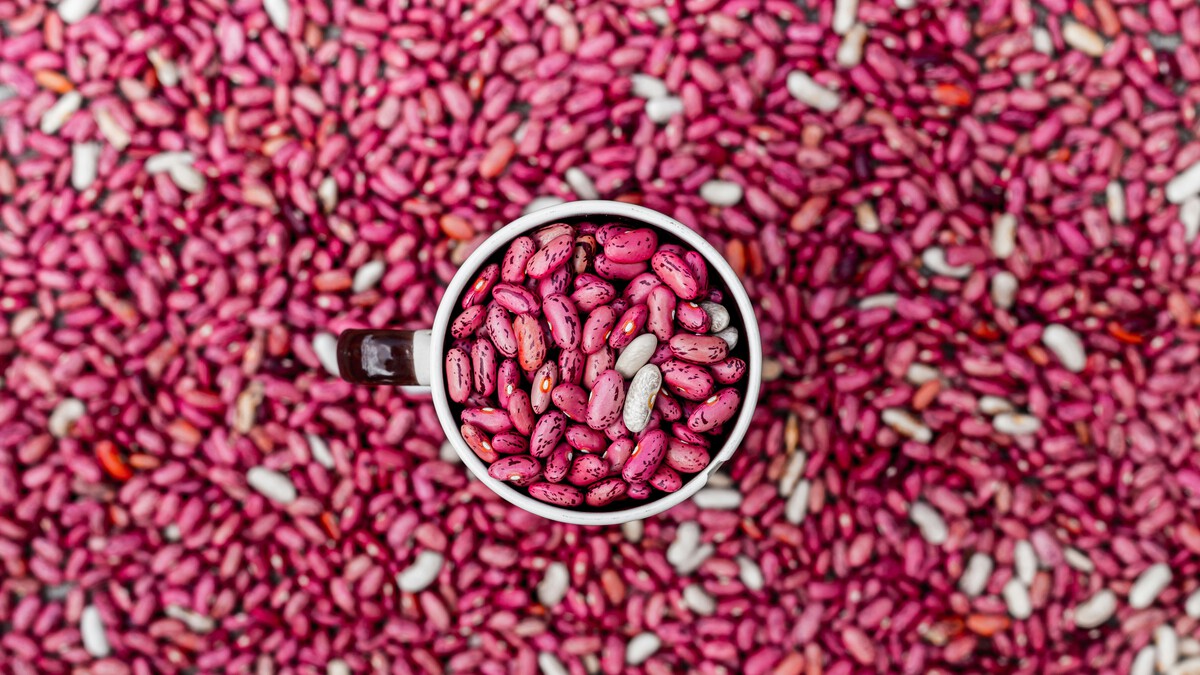
Imported legumes are behind many of Spain's most iconic dishes, from fabada asturiana to cocido madrileño. While these meals feel deeply traditional, a significant portion of the lentils and beans used come from countries like Canada and Argentina, not local Spanish farms.
This reliance on foreign-grown legumes is a reality of modern food supply chains. Spain and the EU are net importers of grain legumes, meaning that even beloved regional recipes often depend on global trade.
Find Original Home Decor sparking conversation at Grand Goldman Shop.

The Scale of Legume Imports in Spain
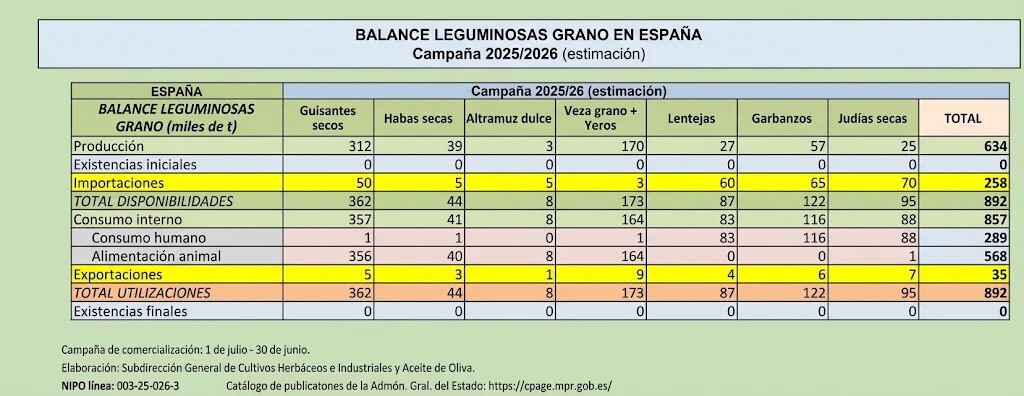
According to the Ministry of Agriculture and Food, Spain is a net importer of grain legumes. The country does produce some legumes, but domestic demand far exceeds local supply. In 2025, Spain exported €67.5 million worth of legumes, but imports were significantly higher, resulting in a negative trade balance.
This trend is not new. For decades, Spain has looked abroad to meet its legume needs, especially for varieties like lentils and white beans that are staples in traditional cooking.
Why Local Production Falls Short
Several factors contribute to Spain's reliance on imported legumes. Climate variability, changing agricultural practices, and competition from other crops have reduced domestic legume cultivation. Meanwhile, countries like Canada and Argentina benefit from large-scale, mechanized farming that produces legumes at lower costs.
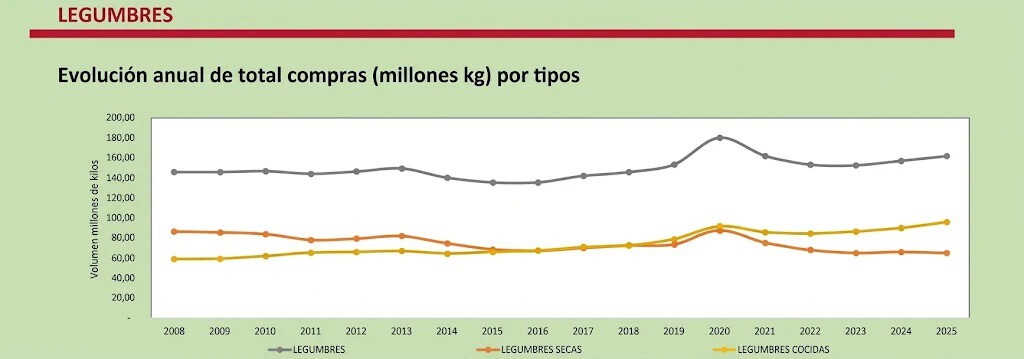
As a result, it's often easier and cheaper for Spanish retailers and consumers to buy foreign-grown legumes than locally sourced ones.
Which Legumes Are Most Likely Imported?
Not all legumes in Spain are imported, but certain varieties are more commonly foreign-grown. For example, many lentils sold in Spain come from Canada, while white beans (alubias) often originate from Argentina. These are the very legumes used in dishes like fabada asturiana and potaje de vigilia.
Even iconic products like judiones de La Granja, a type of large white bean from Segovia, can be supplemented with imported beans when local harvests are insufficient.
- Lentils: Frequently imported from Canada and the US.
- White beans: Often sourced from Argentina and other South American countries.
- Chickpeas: Sometimes imported from Mexico and other regions.
- Local varieties: Some protected designation of origin (PDO) legumes are still grown in Spain, but in limited quantities.
Economic and Culinary Implications
The reliance on imported legumes has both economic and culinary implications. Economically, it means Spain's food sector is vulnerable to global price fluctuations and supply chain disruptions. Culinary purists argue that the taste and texture of imported legumes may differ from local varieties, potentially affecting the authenticity of traditional dishes.
However, for most consumers, the difference is negligible, and imported legumes provide an affordable and reliable source of protein.
What This Means for Traditional Dishes
Traditional Spanish dishes are not necessarily less authentic because they use imported legumes. Recipes have always evolved with available ingredients. The key is that the cooking methods and flavor profiles remain true to tradition.
Still, for those who value local produce, it's worth checking labels or buying from specialty stores that source Spanish-grown legumes. The background to this story is set out in Chickpeas Carbonara Recipe: Creamy Spanish Legume Twist. A related thread runs through Trump's Venezuela Oil Deal: Truth Behind the World's Biggest Claim. Earlier coverage in Farage Clacton Effect: Truth Behind the Human Zoo Narrative shows how the argument developed.
What to Watch Next
As consumer awareness grows, there may be a push to support local legume farmers. Some initiatives aim to revive traditional varieties and increase domestic production. However, this will require investment and changes in agricultural policy. A closer look at the same subject appears in R'fissa Recipe: Traditional Moroccan Chicken and Lentil Stew. Anyone following the wider picture can start with UK Vegetable Shortages: Drought and Heat Drive Imports. The same theme surfaces in Lentil Pasta Recipes: Comforting Autumn Dishes from Jacob Kenedy, which takes a different angle.
In the meantime, the next time you enjoy a bowl of fabada, remember that its ingredients may have traveled thousands of miles to reach your plate. Context on how this played out before sits in Albania Building Boom: Starchitects and the Truth Behind. A companion piece, Ruby Franke Documentary: Shocking Truth Behind Model Family, approaches the same subject from another angle.
| Legume | Common Import Source | Typical Spanish Dish |
|---|---|---|
| Lentils | Canada | Lentejas estofadas |
| White beans | Argentina | Fabada asturiana |
| Chickpeas | Mexico | Cocido madrileño |
| Judiones | Various (including Argentina) | Judiones de La Granja |
FAQ
Are Spanish legumes really imported?
Yes, a significant portion of legumes consumed in Spain are imported, especially lentils and white beans. Spain is a net importer of grain legumes.
Why does Spain import so many legumes?
Domestic production cannot meet demand due to factors like climate, agricultural practices, and cost competition from countries like Canada and Argentina.
Does using imported legumes make traditional dishes less authentic?
Not necessarily. Traditional dishes have always adapted to available ingredients. The cooking methods and flavor profiles are what define authenticity.
How can I support local legume farmers?
Look for Spanish-grown legumes at farmers markets or specialty stores, and check labels for origin information.
Browse the Shop
 Acacia frida deluxe solid wood bed frame |
Bedroom bench |
Bed chest drawers |
Lingerie dresser |
Frame base |
Mirror with jewelry storage |
30 Bathroom Vanity |
Memory foam queen mattress |
Mattresses for back pain |
Nightstand set of 2 |
Grand Goldman Shop |
Civil Lawyer
Deutschland Trikot WM 2026







