

Japan has crossed a demographic threshold that many Western nations fear: nearly 30% of its population is now aged 65 or older. According to new government statistics released for Respect for the Aged Day, 36.24 million people in Japan have reached that age, representing 29.6% of the total population. This milestone underscores the deep challenges of a super-aged society and offers a preview of what other countries may face.
Japan's Elderly Population Hits Record High
The latest figures show that the elderly population grew by about 20,000 compared to the previous year, setting a new record. This increase is part of a long-term trend: Japan's elderly share has been rising steadily for decades, driven by low birth rates and increasing life expectancy. The country now has one of the highest proportions of elderly citizens in the world.
Find Original, High-end Home Decor that spark conversation at Grand Goldman Shop.
Unlike South Korea, which has recently seen a slight rebound in births, Japan continues to struggle with demographic decline. Each new statistic seems to bring more bad news, highlighting the urgency of the situation.
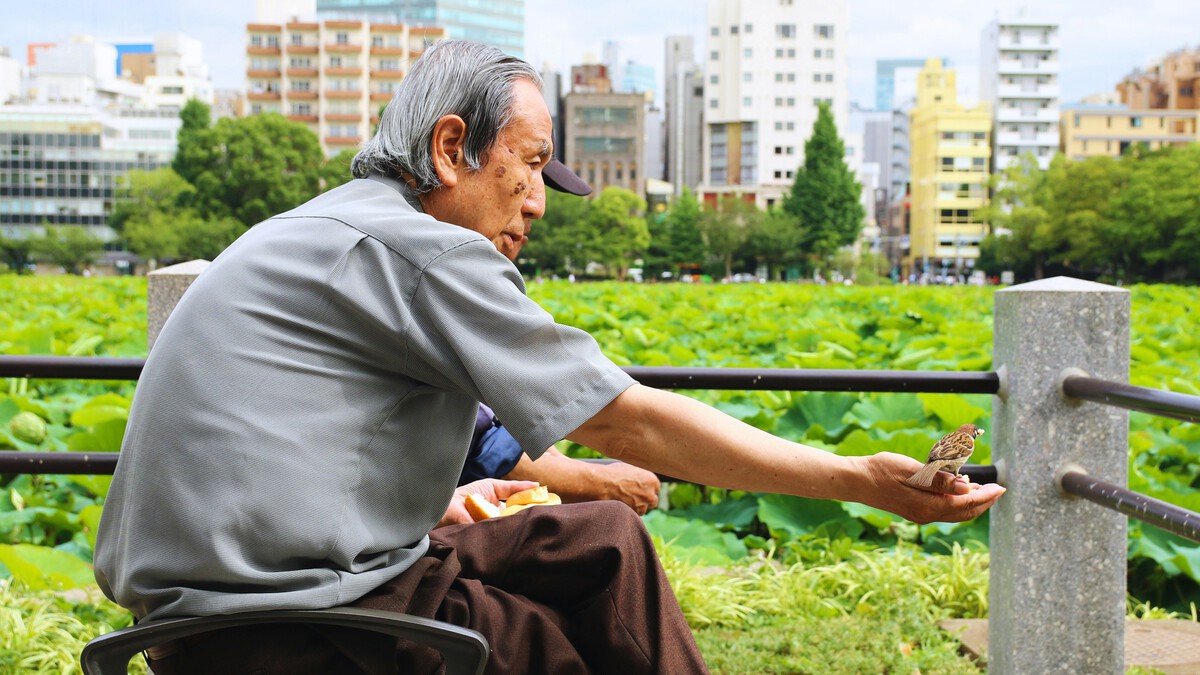
Why Japan's Aging Population Matters
Japan's demographic shift has profound implications for its economy and society. As the working-age population shrinks, there are fewer people to support the growing number of retirees. This puts pressure on public finances, healthcare systems, and pension programs. Labor shortages are already affecting various industries, from manufacturing to services.
Moreover, the social fabric is changing. Many elderly people live alone, and communities face challenges in providing care and support. The government has implemented policies to encourage higher birth rates and extend working lives, but the results have been limited so far.
Key Takeaways for Other Nations
- Early warning: Japan's experience serves as a cautionary tale for countries with aging populations.
- Economic impact: A shrinking workforce can slow economic growth and strain public services.
- Policy challenges: Efforts to boost birth rates and immigration have met with mixed success.
- Social isolation: Elderly individuals living alone require targeted support systems.
- Healthcare costs: Rising numbers of elderly citizens increase demand for medical and long-term care.
How Japan Compares to Other Aging Societies
| Country | Share of Population Aged 65+ | Year |
|---|---|---|
| Japan | 29.6% | 2025 |
| Italy | ~24% | 2024 |
| Germany | ~22% | 2024 |
| South Korea | ~17% | 2024 |
Japan leads the pack, but European countries like Italy and Germany are not far behind. South Korea, despite its recent efforts, still has a lower share but is aging rapidly. The background to this story is set out in Japan's Demographic Crisis: Toyama Officials Accused of Adding 2,000 Fake. A related thread runs through Europe's Demographic Crisis: Young Face Consequences. Earlier coverage in Europe's Demographic Crisis: The Young Face Heavy Consequences shows how the argument developed.
What Lies Ahead for Japan
The Japanese government projects that the elderly population will continue to grow, potentially reaching 35% by 2040. Without significant policy interventions or demographic shifts, the burden on the younger generation will only increase. Some experts suggest that Japan could serve as a testing ground for innovative solutions, such as robotics in elder care and flexible retirement ages. A closer look at the same subject appears in Europe's Demographic Crisis: Why the Young Will Pay the Price. Anyone following the wider picture can start with Europe's Demographic Crisis: The Young Must Not Bear the Cost. The same theme surfaces in Japan's Youth Turn to Traditional Matchmakers to Solve Demographic Crisis, which takes a different angle.
However, the cultural and political resistance to large-scale immigration remains strong, limiting one potential remedy. The challenge is not just economic but also social, as the country grapples with changing family structures and community support systems. Context on how this played out before sits in Japan's Elderly Boom Makes Diaper Recycling a Major Environmental Issue. A companion piece, Japan Bear Raids Elderly Couple's Fridge: Safety Tips, approaches the same subject from another angle.
FAQ
What percentage of Japan's population is over 65?
As of the latest statistics, 29.6% of Japan's population is aged 65 or older, totaling 36.24 million people.
Why is Japan's elderly population growing?
Japan's elderly population is growing due to low birth rates and high life expectancy, leading to a shrinking younger generation and a larger proportion of older adults.
What are the consequences of Japan's aging society?
Consequences include labor shortages, increased healthcare and pension costs, and social isolation among the elderly, which strain the economy and public services.
How does Japan's situation compare to other countries?
Japan has the highest share of elderly citizens globally, but countries like Italy and Germany are close behind. South Korea is aging rapidly but has a lower current share.
Browse the Shop
 Acacia frida deluxe solid wood bed frame |
Bedroom bench |
Bed chest drawers |
Lingerie dresser |
Frame base |
Mirror with jewelry storage |
30 Bathroom Vanity |
Memory foam queen mattress |
Mattresses for back pain |
Nightstand set of 2 |
Grand Goldman Shop |
Civil Lawyer
Deutschland Trikot WM 2026










