

Madrid is addressing a growing shortage of street benches with a plan to add at least 1,602 new benches across the city. The initiative, which began as a citizen proposal, has now moved to public contract with a base budget of around 1.2 million euros.
The story started in 2024 when a resident known as Bravotron submitted a proposal on Decide Madrid, the city's participatory platform. The request was simple: more benches in the capital. In his reasoning, he highlighted the needs of older people who want to go for walks and enjoy their neighborhoods.
Find Original, High-end Home Decor that spark conversation at Grand Goldman Shop.
How the Bench Shortage Became a Public Contract
The proposal gained traction and has now led to a formal municipal contract. The Madrid City Council has put out to tender the supply of at least 1,602 benches. This move signals a commitment to improving urban furniture and accessibility.
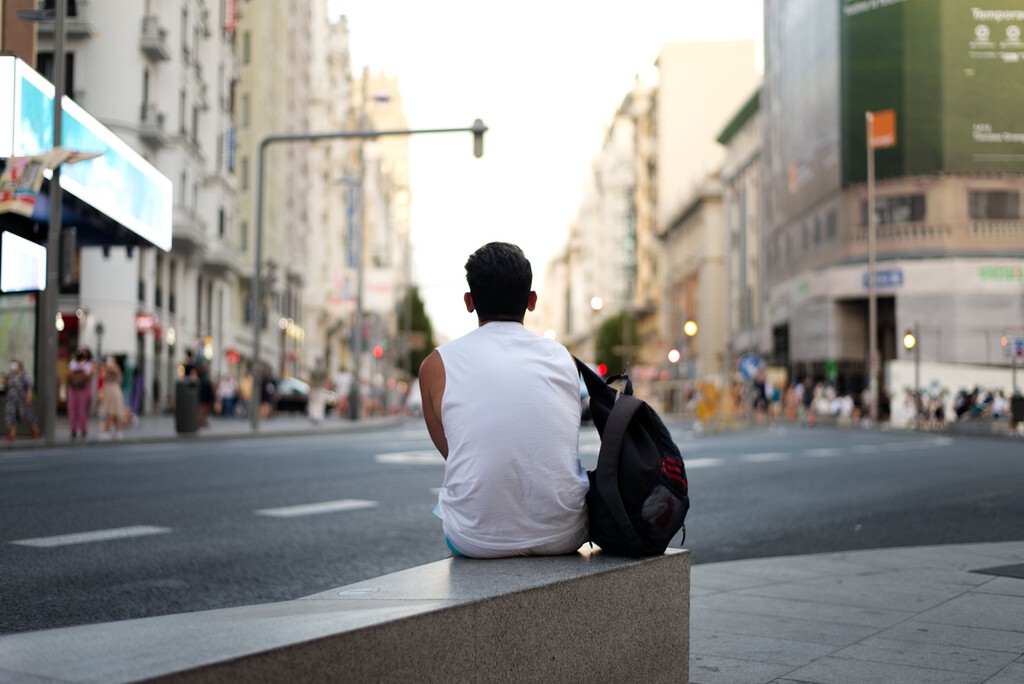
But not all of these benches will be brand new. Some will replace existing benches that do not meet accessibility regulations. The rest will increase the number of benches in areas where the council believes they are lacking.
Madrid's Existing Bench Network
Madrid currently has 64,716 benches distributed across streets, squares, and parks. The new additions represent a small but meaningful increase. The city has been renovating furniture for some time, using materials like mixed wood and recycled plastic.
The plan also raises a question: how does the city decide where a bench is needed? Factors likely include population density, proximity to senior centers, and input from residents.
Why Street Benches Matter for Urban Life
Benches are more than just places to sit. They provide rest stops for the elderly, a meeting point for neighbors, and a boost for local commerce. Without them, streets become less welcoming and less accessible.
For older adults, a bench can make the difference between a short walk and a longer outing. It's a matter of independence and quality of life.
What This Means for Residents and Visitors
If the plan goes through, residents can expect to see more benches in their neighborhoods, especially in areas identified as underserved. The new benches will also be more accessible, complying with current regulations. Context on how this played out before sits in Madrid's Street Bench Shortage Prompts 1,602 New Seats.
Visitors to Madrid may notice improved seating options in popular areas, making the city more walkable and enjoyable. The background to this story is set out in Trending: latest articles. A related thread runs through 72-Year-Old Green Card Holder Arrested in Voter Fraud Sting.
Challenges and Considerations
Implementing the plan won't be without challenges. The city must balance the need for benches with other street furniture and pedestrian flow. Maintenance is another concern: more benches mean more upkeep. Earlier coverage in Oxford Street Pedestrianisation: What It Means for London shows how the argument developed. A closer look at the same subject appears in AI Fear Comes From Not Understanding How It Works.
Funding is also a factor. The 1.2 million euro budget covers the initial supply, but long-term maintenance costs must be considered. Anyone following the wider picture can start with Police Seize Five Lamborghinis for Driving Too Slowly on Highway. The same theme surfaces in Lowry, Kinky Pop Art and Renaissance Woodcuts Lead UK Art Week, which takes a different angle.
FAQ
How many benches will Madrid add?
Madrid plans to add at least 1,602 benches, with some replacing existing ones and others increasing the total number in underserved areas.
What is the budget for the new benches?
The base budget for the supply of benches is approximately 1.2 million euros.
How does the city decide where to place benches?
The city considers factors such as population density, accessibility, and resident feedback to determine locations for new benches.
Will the new benches be accessible?
Yes, the new benches will comply with current accessibility regulations, and some will replace older benches that do not meet these standards.
Browse the Shop
 Acacia frida deluxe solid wood bed frame |
Bedroom bench |
Bed chest drawers |
Lingerie dresser |
Frame base |
Mirror with jewelry storage |
30 Bathroom Vanity |
Memory foam queen mattress |
Mattresses for back pain |
Nightstand set of 2 |
Grand Goldman Shop |
Civil Lawyer
Deutschland Trikot WM 2026







