

New research reveals that the ancient Maya traded pedigreed dogs over long distances, a luxury business almost as profitable as the gem trade. The study, published in the Journal of Archaeological Science, analyzed bones from two Maya sites in Chiapas, Mexico: Moxviquil and Tenam Puente.
We already knew the Maya wove extensive trade networks and dealt in prized goods like jade, obsidian, cacao, and shells. But what we didn't know is that another valuable commodity—dogs—was also part of their markets. Like us, the Maya were willing to pay high prices for certain pedigreed animals, and they invested resources, time, and effort in transporting them hundreds of kilometers.
Find Original Home Decor sparking conversation at Grand Goldman Shop.

Uncovering the Evidence: Bones and Isotopes
Archaeologists found bone fragments belonging to dogs and deer at the two sites. Dr. Elizabeth Paris of the University of Calgary compared the chemical signatures of these remains to determine where the animals came from. Her findings offer several surprises.
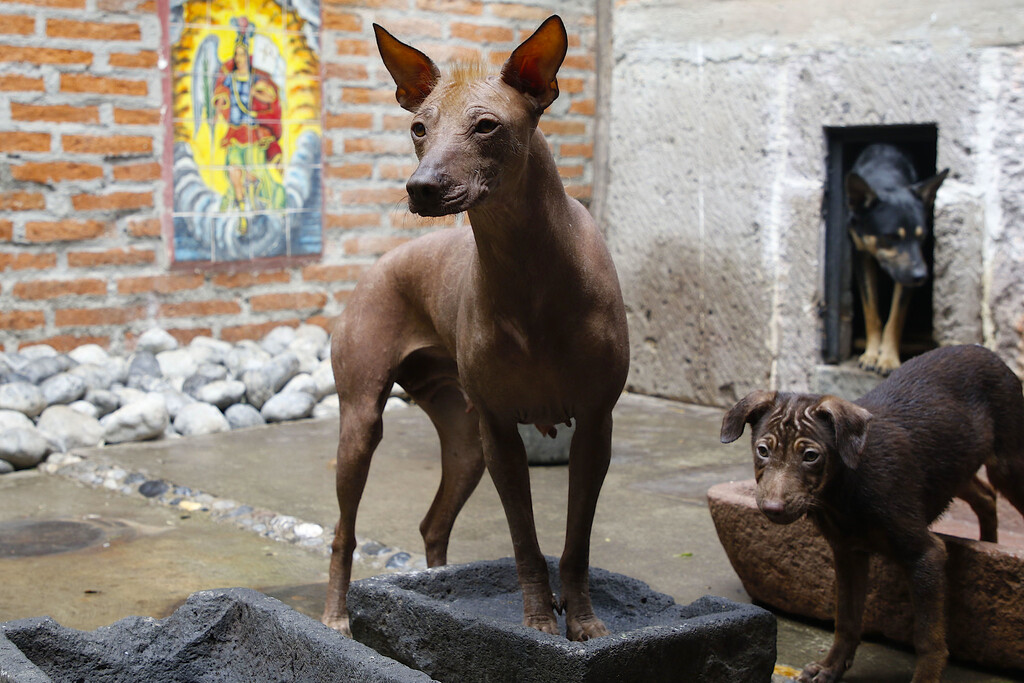
Paris and her colleagues analyzed strontium isotopes preserved in the bones and dental enamel. Strontium isotopes vary by geography, so they act like a map of where an animal lived. By comparing the isotopic ratios in the dog bones to local environmental samples, the researchers could tell whether the dogs were raised locally or imported from elsewhere.
Why Dogs Were a Luxury Item
The results showed that some dogs came from distant regions, indicating they were transported over long distances. This suggests that the Maya placed high value on certain dogs, possibly for their pedigree or specific traits. The researchers argue that these animals were not just ordinary village dogs but were bred and traded as luxury goods.
In Maya society, dogs had multiple roles: they were used for hunting, as companions, and sometimes as food. But the transport of dogs over hundreds of kilometers implies a level of investment that goes beyond everyday utility. It points to a market for pedigreed dogs similar to modern-day luxury pet trading.
Implications for Understanding Maya Trade
This discovery adds a new dimension to our knowledge of Maya trade networks. It shows that the Maya traded not only raw materials and food but also living animals, which required care and resources during transport. The fact that dogs were moved such distances suggests they were considered valuable enough to justify the effort.
The study also highlights the importance of isotope analysis in archaeology. By using chemical signatures, researchers can trace the origins of animals and goods, revealing patterns of trade and exchange that were previously invisible. The background to this story is set out in Lost Maya City Minanbé Found After 13 Years in Jungle. A related thread runs through Spanish Elites Practiced Inbreeding for 3,200 Years, Study Finds. Earlier coverage in Islamic Silver Coins Reveal Ancient Baltic Trade Route shows how the argument developed.
What to Watch Next
Future research could explore whether similar patterns of dog trade existed at other Maya sites. Comparing isotopic data from more locations might reveal the scale of this trade and whether it was limited to elites or more widespread. Additionally, studying the genetics of these ancient dogs could shed light on breeding practices and the specific traits that made them valuable. A closer look at the same subject appears in Ancient Rome to China: The 2,000-Year-Old Trade Map That United Empires. Anyone following the wider picture can start with Canada Tariffs on US Goods Escalate Trade Dispute. The same theme surfaces in 10 Best Tours in Riviera Maya to Discover Mexico, which takes a different angle.
For now, the study offers a fascinating glimpse into the Maya luxury market, where dogs were not just animals but status symbols and profitable commodities. Context on how this played out before sits in Cancun vs Playa del Carmen vs Tulum: Mexico's Riviera Maya Guide. A companion piece, UK Sanctions on Israeli Settlements: Trade Impact Analysis, approaches the same subject from another angle.
FAQ
What did the new study discover about Maya dogs?
The study found that the Maya traded dogs over long distances, indicating they were valuable luxury items. Isotope analysis of bones from two sites in Chiapas showed that some dogs came from distant regions, suggesting a market for pedigreed dogs.
How did researchers determine where the dogs came from?
They analyzed strontium isotopes in the dogs' bones and dental enamel. Strontium isotope ratios vary by location, so by comparing the ratios in the dog remains to local samples, researchers could identify non-local animals.
Why were dogs considered a luxury item for the Maya?
Dogs were valuable because they required resources to transport and care for over long distances. They may have been bred for specific traits, making them status symbols similar to pedigreed pets today.
What does this tell us about Maya trade networks?
It shows that the Maya traded living animals, not just raw materials. This adds to our understanding of their complex trade networks and the value they placed on certain animals.
Browse the Shop
 Acacia frida deluxe solid wood bed frame |
Bedroom bench |
Bed chest drawers |
Lingerie dresser |
Frame base |
Mirror with jewelry storage |
30 Bathroom Vanity |
Memory foam queen mattress |
Mattresses for back pain |
Nightstand set of 2 |
Grand Goldman Shop |
Civil Lawyer
Deutschland Trikot WM 2026







