

A mysterious male voice reciting coded numbers has been heard on shortwave radio in Iran since the war began, puzzling radio enthusiasts and intelligence analysts alike. The transmissions, which started shortly after US and Israeli attacks on Iran on February 28, feature a Persian-speaking voice that repeats “Tavajjoh” (attention) three times before reciting long sequences of numbers in a mechanical cadence.
These so-called numbers stations are not new. During the Cold War, thousands of radio amateurs recorded similar broadcasts worldwide, many active for years without anyone officially knowing who was behind them. Some disappeared after the Soviet bloc fell, but others never fully went away.
Find Original Home Decor sparking conversation at Grand Goldman Shop.

What Are Numbers Stations and Why Do They Persist?
Numbers stations are shortwave radio transmissions that broadcast sequences of numbers, letters, or words, often preceded by an attention signal. They are widely believed to be used for sending encrypted messages to spies or operatives in the field. The one-time pad encryption method, which is theoretically unbreakable, is often associated with these broadcasts.
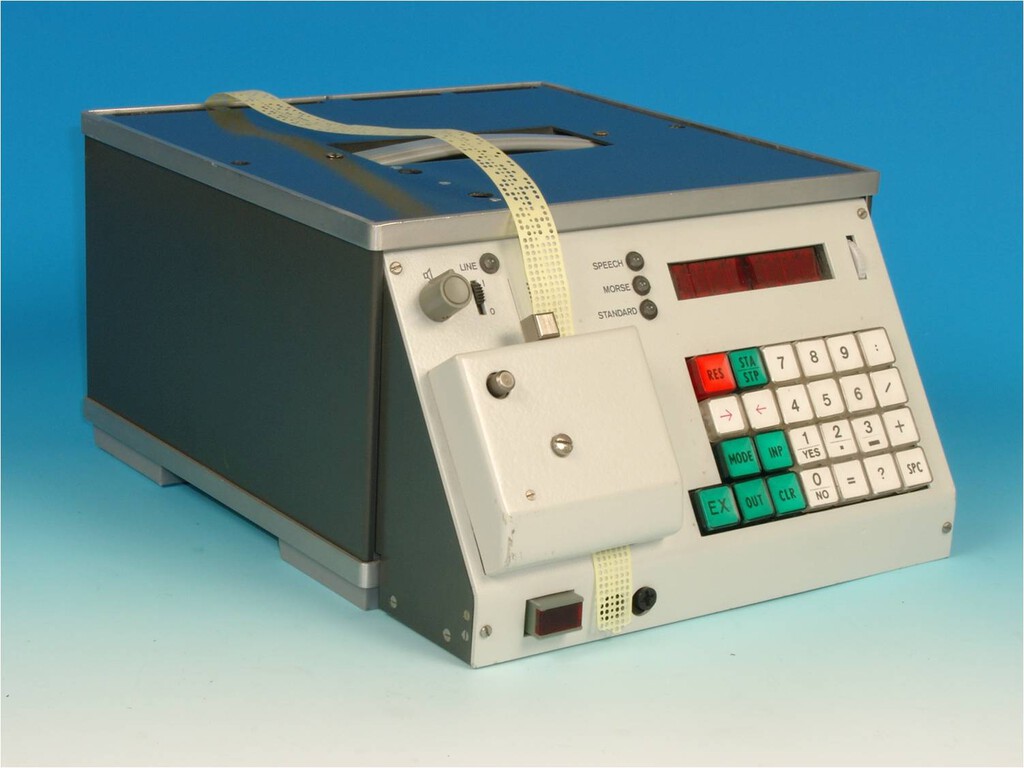
Despite the rise of the internet and satellite communications, numbers stations remain a resilient tool because they are simple, cheap, and difficult to trace. Anyone with a shortwave radio can receive the signal, but only the intended recipient with the correct decryption key can decipher the message.
The Iranian Transmission: Details and Patterns
The current transmissions directed at Iran are reportedly originating from somewhere in Western Europe, according to radio amateurs and signal trackers. They air twice daily for about an hour and a half each time. The exact source has not been confirmed, but former US intelligence officials consider it highly likely that a state actor is behind them.
The use of Persian and the timing—coinciding with the outbreak of hostilities—suggests the messages are meant for assets inside Iran. The repetitive “Tavajjoh” serves as a call sign to alert the intended recipient to pay attention and prepare to receive the coded message.
Why This Matters: The Role of Numbers Stations in Modern Conflict
In an era of cyber warfare and satellite surveillance, the persistence of numbers stations highlights a key vulnerability: the need for secure, low-tech communication that cannot be easily intercepted or jammed. Shortwave radio can reach deep into denied areas where internet and phone networks are unreliable or monitored.
For intelligence agencies, numbers stations offer a way to communicate with spies without exposing them to digital traces. The one-way nature of the broadcast means the operative does not need to transmit, reducing the risk of detection. The use of a one-time pad ensures that even if the message is intercepted, it cannot be decrypted without the key.
- Low-tech resilience: Shortwave radio works when modern infrastructure fails or is compromised.
- Deniability: The origin of the broadcast is hard to pinpoint, giving the sponsoring state plausible deniability.
- Security: One-time pad encryption is virtually unbreakable if used correctly.
- Reach: Shortwave signals can cross borders and reach deep into target countries.
- Simplicity: Operatives only need a basic receiver and a decryption key, no complex equipment.
Historical Parallels and the Future of Numbers Stations
The Iranian transmissions echo Cold War-era broadcasts like the “Lincolnshire Poacher,” which was active for decades and believed to be run by British intelligence. Other famous stations include “UVB-76” in Russia, which has been broadcasting a buzzing tone since the 1970s and occasionally voice messages.
What makes the current case notable is its direct link to an active conflict. The war between Iran and US/Israel has already seen cyberattacks, missile strikes, and propaganda campaigns. The numbers station adds a layer of old-school espionage that seems almost anachronistic but remains effective.
| Station | Origin (Suspected) | Years Active | Characteristics |
|---|---|---|---|
| Lincolnshire Poacher | UK | 1970s–2008 | Electronic tune “The Lincolnshire Poacher” before numbers |
| UVB-76 | Russia | 1970s–present | Buzzing tone, occasional voice messages |
| Iran Transmission | Western Europe (suspected) | 2024–present | Persian voice, “Tavajjoh” repeated, number sequences |
As the war continues, monitoring groups and amateur radio enthusiasts will be listening closely. The transmissions could change frequency, call signs, or even go silent if the operatives are compromised. For now, they serve as a reminder that even in the digital age, the airwaves remain a battleground for secrets. The background to this story is set out in Trump's Iran War Repeats Afghanistan Mistakes: A Forever War. A related thread runs through Trending: latest articles. Earlier coverage in Iran Drone War: How Cheap UAVs Changed Modern Warfare shows how the argument developed.
What to Watch Next
Analysts will be watching for any shifts in the transmissions, such as changes in schedule, language, or content, which could indicate a new phase in the intelligence operation. The involvement of Western Europe as a suspected origin point may also raise diplomatic questions if evidence emerges. A closer look at the same subject appears in Iran War Boosts Russian Oil Industry as US Eases Sanctions. Anyone following the wider picture can start with US Military Moves in Iran Conflict Echo Vietnam War Fears. The same theme surfaces in India's Big Chance: Data Centers Safe from Iran War, which takes a different angle.
For the public, the numbers station is a fascinating glimpse into the shadowy world of espionage, a relic of the Cold War that refuses to fade away. Whether it will be remembered as a footnote in this conflict or a key piece of the puzzle remains to be seen. Context on how this played out before sits in Iran War Ripple Effect: Taiwan Chips Face Energy Crisis. A companion piece, Mysterious Male Voice Reciting Coded Numbers in Iran Since War Began, approaches the same subject from another angle.
FAQ
What is a numbers station?
A numbers station is a shortwave radio broadcast that transmits sequences of numbers or words, often encrypted, believed to be used for communicating with spies. They are typically one-way transmissions that require a one-time pad to decode.
Why are numbers stations still used today?
Numbers stations offer a low-tech, resilient, and hard-to-trace method of communication that works even when modern networks are down or monitored. They provide a secure way to send messages to operatives in denied areas.
Who is behind the recent transmissions in Iran?
The exact origin is unknown, but former US intelligence officials suspect a state actor, possibly from Western Europe, based on signal tracking. The timing and language suggest it is intended for assets inside Iran.
Can the coded messages be decrypted?
If the sender uses a one-time pad correctly, the messages are theoretically unbreakable without the key. However, mistakes in encryption or key reuse can sometimes allow decryption.
Browse the Shop
 Acacia frida deluxe solid wood bed frame |
Bedroom bench |
Bed chest drawers |
Lingerie dresser |
Frame base |
Mirror with jewelry storage |
30 Bathroom Vanity |
Memory foam queen mattress |
Mattresses for back pain |
Nightstand set of 2 |
Grand Goldman Shop |
Civil Lawyer
Deutschland Trikot WM 2026







