

The oil price surge following the Iran conflict is set to drive up polyester clothing prices, affecting everything from activewear to everyday dresses. This less obvious consequence of geopolitical tension is already rippling through global supply chains.
While consumers watch gasoline prices, the fashion industry is bracing for a different kind of pain: higher costs for the synthetic fibers that dominate our wardrobes.
Find Original Home Decor sparking conversation at Grand Goldman Shop.

From Oil Fields to Fashion: The Hidden Link
The connection between oil and clothing is direct. Polyester, the world's most widely used textile fiber, is derived from petroleum-based chemicals. When oil prices rise, so do the costs of the raw materials needed to produce polyester.
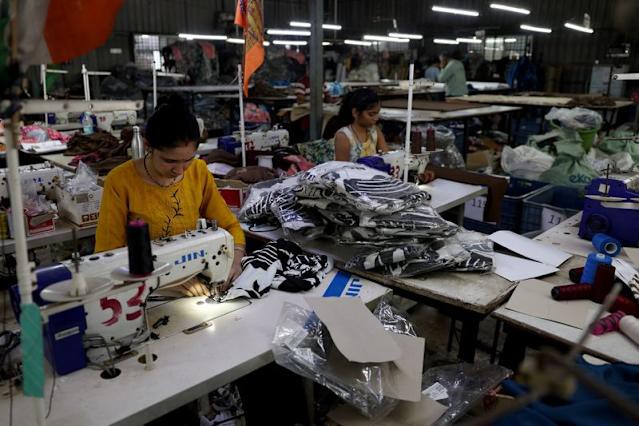
This isn't the first time energy markets have blindsided other industries. During the 1973 oil crisis, sectors like plastics and fertilizers suddenly saw costs skyrocket due to decisions made thousands of miles away. Today, the fashion industry faces a similar wake-up call.
Polyester: The Backbone of Fast Fashion
Polyester's versatility and low cost have made it ubiquitous. It's found in everything from sportswear to formal wear, often blended with natural fibers to improve durability and wrinkle resistance. According to Reuters, the cost of key polyester precursors like PTA and MEG has jumped nearly 30% due to rising crude oil prices, higher costs from Asian suppliers, and disruptions in the Middle East.
This surge makes polyester the entry point for the energy crisis into fashion, transmitting pressure from energy markets to retail shelves.
Why Polyester Is So Vulnerable
Polyester production relies on two main petrochemicals: purified terephthalic acid (PTA) and monoethylene glycol (MEG). Both are directly tied to oil prices. When oil becomes more expensive, so do these compounds, and the increase is quickly passed down the supply chain.
Unlike natural fibers such as cotton or wool, polyester has no agricultural buffer. Its price is tightly linked to energy markets, making it highly sensitive to geopolitical shocks.
What This Means for Your Wardrobe
Consumers should expect to see higher price tags on clothing made with polyester, especially fast-fashion items that rely on cheap synthetic fabrics. Retailers may initially absorb some costs, but sustained oil price hikes will likely lead to noticeable increases.
The impact won't be uniform. Budget-friendly brands that use high percentages of polyester will be hit hardest, while premium brands using natural fibers may see smaller effects.
- Polyester prices are up nearly 30% due to rising oil costs and supply chain disruptions.
- Fast fashion is most vulnerable because it depends heavily on synthetic fibers.
- Consumers will feel the pinch as retailers pass on higher costs.
- Natural fibers may become relatively more attractive if polyester prices continue to climb.
- Supply chain diversification could help brands mitigate future shocks.
Comparing Fiber Costs: Polyester vs. Natural Alternatives
The table below shows how polyester's cost advantage may erode as oil prices rise. While natural fibers like cotton have their own price volatility, they are less directly tied to energy markets.
| Fiber Type | Key Input | Price Sensitivity to Oil | Recent Price Trend |
|---|---|---|---|
| Polyester | PTA, MEG (petrochemicals) | High | Up ~30% |
| Cotton | Agricultural | Low | Stable to moderate |
| Nylon | Petrochemicals | High | Up |
| Wool | Animal | Low | Stable |
The Bigger Picture: Fashion's Energy Wake-Up Call
The fashion industry has long been criticized for its environmental impact, but its dependence on fossil fuels is now becoming an economic liability. As oil prices fluctuate, so does the cost of doing business for apparel companies.
This crisis may accelerate the shift toward sustainable materials and circular fashion models. Brands that invest in recycled polyester or natural fibers could gain a competitive edge.
What to Watch Next
Keep an eye on oil prices and geopolitical tensions in the Middle East. Any escalation could further disrupt supply chains and drive polyester costs even higher. The background to this story is set out in Oil Prices Climb on Iran Impasse: Business Impact. A related thread runs through Oil Prices Surpass $100 as Iran Conflict Escalates. Earlier coverage in UK House Price Growth Halves as Mortgage Rates Climb Higher shows how the argument developed.
Also watch for announcements from major fashion retailers about pricing strategies. Some may choose to absorb costs temporarily, while others will pass them on quickly. A closer look at the same subject appears in Oil Prices Climb on Supply Fears and Shipping Attacks. Anyone following the wider picture can start with Trump Threatens Massive Attack on Iran – Oil Prices Surge. The same theme surfaces in Sony May Raise PS5 Prices Again as Memory Costs Climb, which takes a different angle.
Finally, monitor innovations in bio-based polyester and recycling technologies. These could eventually reduce the industry's reliance on virgin petroleum. Context on how this played out before sits in Saudi Arabia Intercepts Houthi Missiles as Oil Prices Surge. A companion piece, Polyester Backlash: Why Gen Z Hates the World's Most-Hated Fabric, approaches the same subject from another angle.
FAQ
Why does the Iran conflict affect clothing prices?
The Iran conflict has driven up oil prices, and polyester is made from petroleum-derived chemicals. Higher oil costs increase the price of polyester, which is used in most clothing, leading to higher clothing prices.
How much have polyester prices increased?
According to Reuters, the cost of key polyester precursors like PTA and MEG has risen nearly 30% due to higher crude oil prices and supply chain disruptions.
Will all clothing become more expensive?
Not all clothing, but items with high polyester content will likely see the biggest price increases. Natural fiber clothing may be less affected, though overall fashion prices could rise as brands pass on higher costs.
What can consumers do to mitigate the impact?
Consumers can consider buying fewer synthetic garments, choosing natural fibers when possible, and shopping secondhand. Supporting brands that use recycled materials can also help drive demand for more sustainable options.
Browse the Shop
 Acacia frida deluxe solid wood bed frame |
Bedroom bench |
Bed chest drawers |
Lingerie dresser |
Frame base |
Mirror with jewelry storage |
30 Bathroom Vanity |
Memory foam queen mattress |
Mattresses for back pain |
Nightstand set of 2 |
Grand Goldman Shop |
Civil Lawyer
Deutschland Trikot WM 2026







