

In 1922, mechanical engineer Elis F. Stenman built a summer house in Rockport, Massachusetts, using more than 100,000 newspapers. A century later, the paper walls of the Paper House still stand, offering a fascinating look at experimental construction and recycling long before it was trendy.
Stenman, a Cambridge-based engineer with a knack for tinkering, started the project like any other: a wooden frame, floor, and roof. But when it came time to finish the walls, he decided to test the insulating properties of the daily news. What began as a modest experiment soon consumed the house, turning ephemeral newspapers into a durable building material.
Find Original Home Decor sparking conversation at Grand Goldman Shop.

The Paper House: A Century-Old Experiment in Newspaper Construction
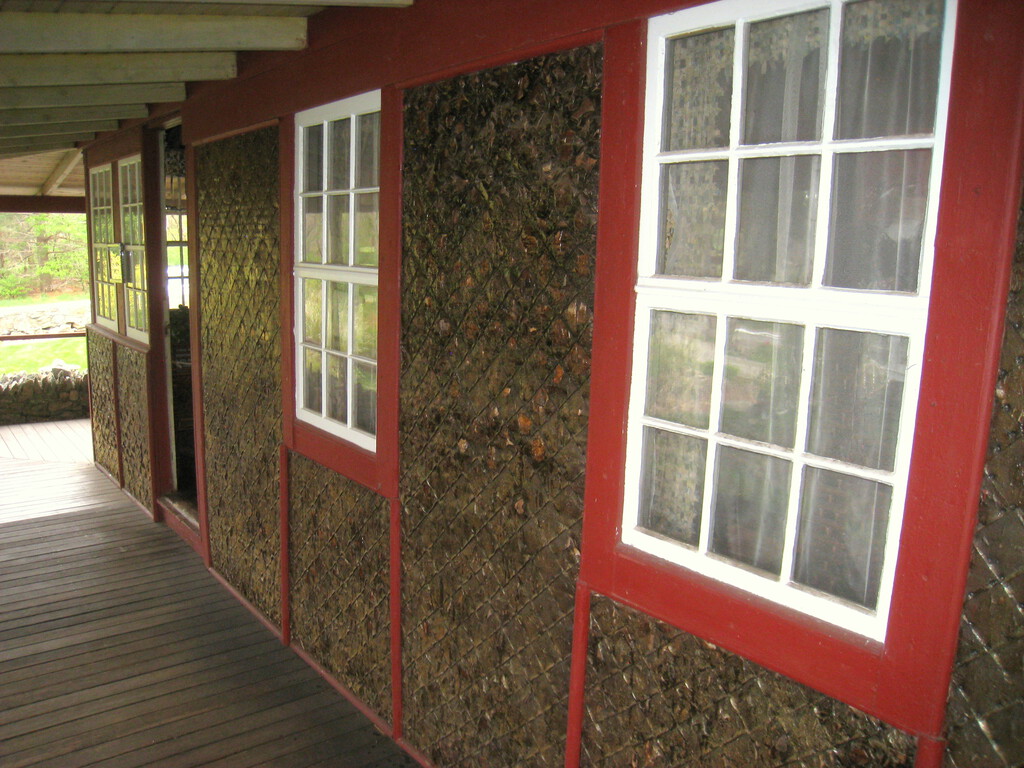
Stenman didn't just slap a few sheets on the walls. He layered approximately 215 sheets of newspaper to create panels about one inch thick. These panels were then coated with a homemade varnish to protect them from the elements. The result was a sturdy, insulating wall that has survived for generations.
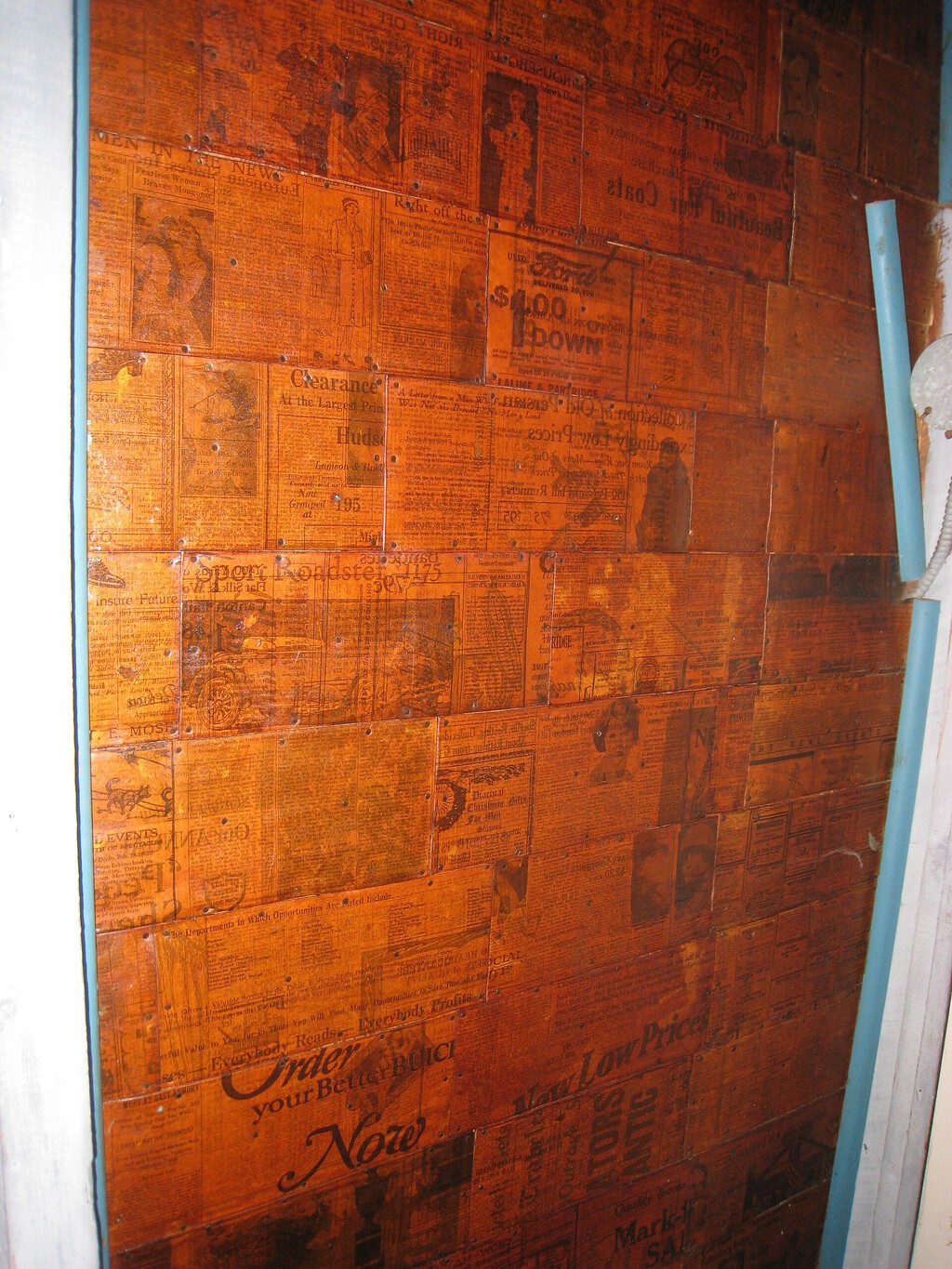
The house is a testament to Stenman's ingenuity and the surprising durability of paper when properly treated. It also reflects a time when recycling was not a widespread practice; Stenman simply saw potential in a material that most people discarded.
Why Newspapers? The Insulating Properties That Inspired Stenman
Newspaper is an excellent insulator because of the air pockets trapped between the fibers. By layering hundreds of sheets, Stenman created a dense, effective barrier against the cold Massachusetts winters. This was not a new idea—paper insulation had been used before—but Stenman took it to an extreme.
He also likely appreciated the low cost. Newspapers were abundant and free, making them an attractive material for a hobbyist engineer. The experiment turned into a lifelong project, with Stenman continuing to add layers and make improvements over the years.
How the Walls Were Built: Layering and Varnishing
Each wall panel was built up layer by layer, with newspapers stacked and glued together. Once the desired thickness was reached, Stenman applied a varnish made from a secret recipe to seal the paper. This varnish was crucial for waterproofing and preventing deterioration.
The panels were then attached to the wooden frame, creating walls that were both functional and unique. The interior was also lined with newspaper, giving the house a distinctive look.
Inside the Paper House: Furniture and Decor Made of Newsprint
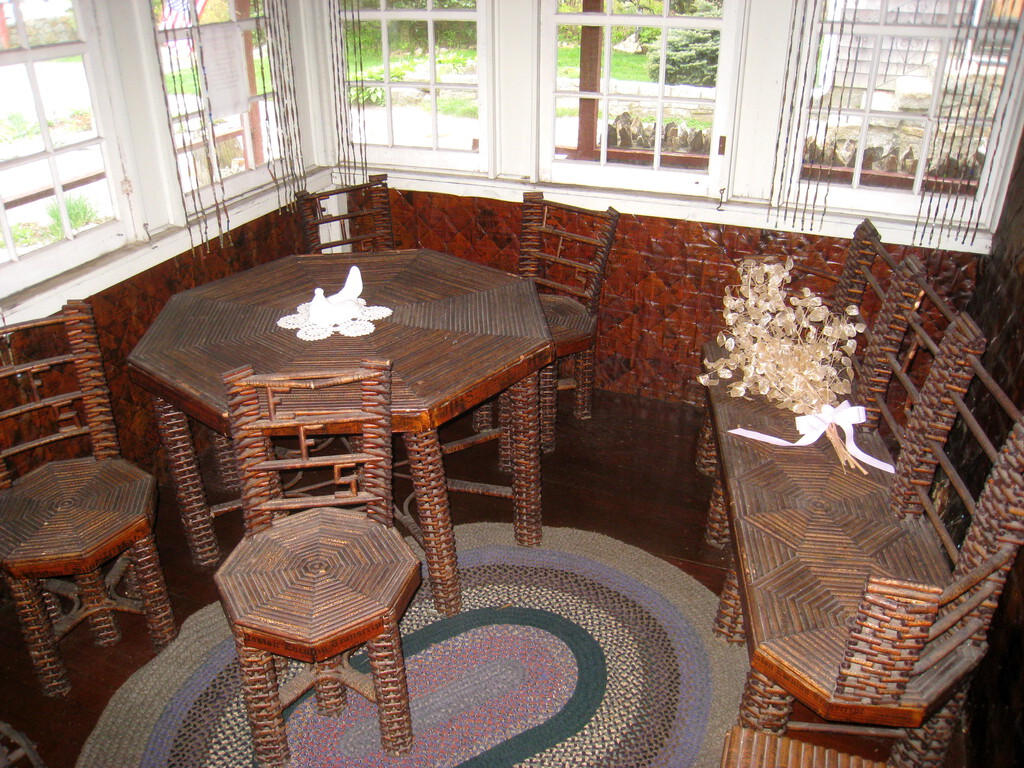
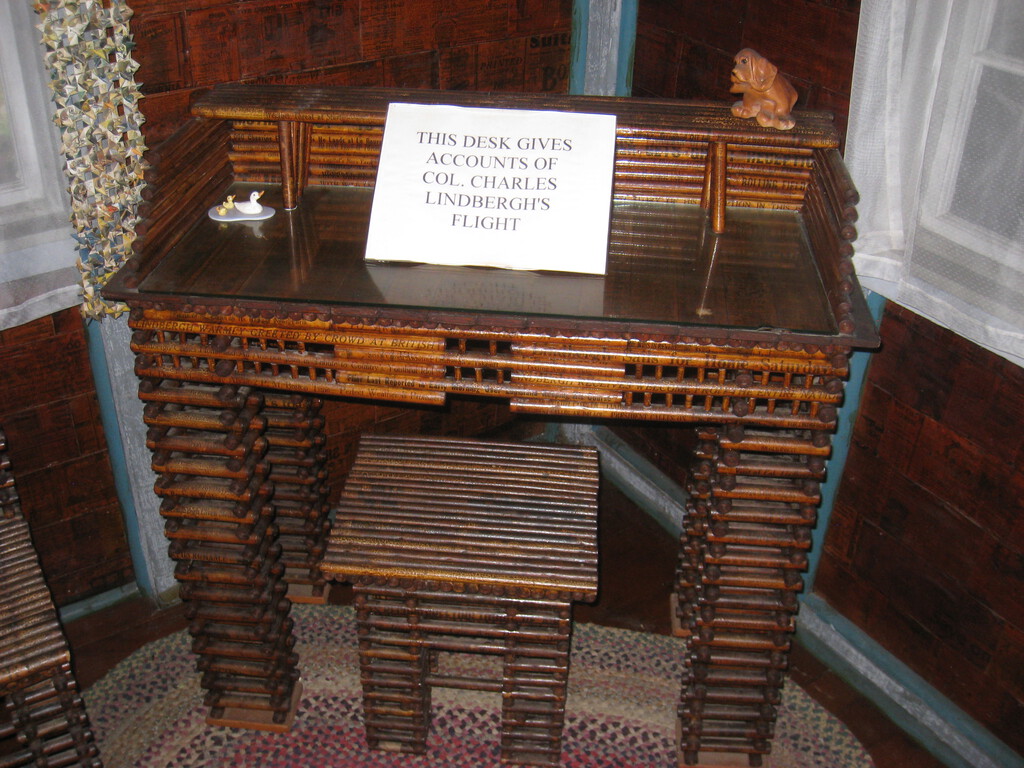
Stenman didn't stop at the walls. He fashioned furniture from rolled and glued newspapers, including chairs, tables, and even a piano. The house is filled with newspaper creations, each one a testament to his creativity and skill.
Visitors to the Paper House today can see these original furnishings, many of which are still intact. The house operates as a museum, preserving Stenman's legacy and offering a glimpse into a bygone era of DIY innovation.
A Museum Piece: Preserving a Century-Old Home
The Paper House is now a local landmark and a popular tourist attraction. It has been carefully maintained to ensure that future generations can appreciate this unique piece of architectural history. The museum staff work to control humidity and temperature to protect the paper from further decay.
Despite its fragile material, the house has weathered storms, snow, and humidity. Its survival is a tribute to Stenman's careful construction and the protective varnish he used.
Lessons from the Paper House: What We Can Learn Today
The Paper House offers several lessons for modern builders and sustainability advocates. First, it shows that unconventional materials can be surprisingly durable when used correctly. Second, it highlights the potential of recycling and reusing materials that would otherwise go to waste. Context on how this played out before sits in Paper House: 100,000 Newspapers Built This 1922 Home.
While we may not build houses from newspapers today, the spirit of experimentation and resourcefulness is as relevant as ever. As we face environmental challenges, Stenman's century-old experiment reminds us to think creatively about the materials we use. The background to this story is set out in Washington Paper Mill Explosion Sparks Key House Race Debate. A related thread runs through Bare House Built with Concrete Blocks.
- Durability: With proper treatment, paper can last for decades.
- Insulation: Layered newspaper provides effective thermal insulation.
- Recycling: The house is an early example of upcycling waste materials.
- Innovation: Stenman's DIY approach shows the value of hands-on experimentation.
- Preservation: The house's survival underscores the importance of maintenance.
Comparing Construction Materials: Paper vs. Conventional Options
To appreciate the Paper House, it helps to compare newspaper construction with conventional materials. The table below outlines key differences. Earlier coverage in 170m² House Built with Reused Materials shows how the argument developed. A closer look at the same subject appears in Trending: latest articles.
| Material | Insulation (R-value per inch) | Durability | Cost | Environmental Impact |
|---|---|---|---|---|
| Newspaper (layered) | ~3.0 | Good (if sealed) | Very low | Low (recycled) |
| Fiberglass | ~3.0 | Excellent | Moderate | Moderate |
| Wood | ~1.0 | Excellent | High | Moderate |
| Concrete | ~0.1 | Excellent | Moderate | High |
As the table shows, newspaper insulation is comparable to fiberglass in R-value, though it requires more thickness to achieve the same performance. Its low cost and environmental benefits make it an intriguing option for sustainable building. Anyone following the wider picture can start with Paper Folding: 27 Folds to Everest, 42 to the Moon. The same theme surfaces in Best Gaming Processors 2026: Top 8 CPUs and Buying Guide, which takes a different angle.
FAQ
How many newspapers were used to build the Paper House?
More than 100,000 newspapers were used in the construction of the Paper House, with walls made of about 215 layers of paper.
Is the Paper House still standing?
Yes, the Paper House in Rockport, Massachusetts, is still standing and operates as a museum. Its paper walls have survived for over a century.
Can I visit the Paper House?
The Paper House is open to the public as a museum. Visitors can tour the house and see the newspaper walls and furniture.
Why did Stenman use newspapers?
Stenman was experimenting with the insulating properties of newspaper. He found that layered paper provided effective insulation at a low cost.
Browse the Shop
 Acacia frida deluxe solid wood bed frame |
Bedroom bench |
Bed chest drawers |
Lingerie dresser |
Frame base |
Mirror with jewelry storage |
30 Bathroom Vanity |
Memory foam queen mattress |
Mattresses for back pain |
Nightstand set of 2 |
Grand Goldman Shop |
Civil Lawyer
Deutschland Trikot WM 2026







