

Phones at the table have become the new cigarettes in restaurants, as a growing number of bars and eateries experiment with bans, locked pouches, boxes, camera stickers, and even rewards for guests who keep their devices stowed. What was once a quirky request to snap a food photo has evolved into a full-blown social norm debate, with some diners and restaurateurs now viewing constant screen time as an intrusion that affects everyone around them.
From Smoking at the Table to Lighting It Up With a Screen
For years, pulling out a phone in a restaurant went from being a rarity to part of the dining ritual itself: photographing the plate, replying to a message, scrolling Instagram, or recording a video before picking up the fork. Now the opposite movement is gaining momentum. More and more venues are testing ways to limit phone use during meals, driven by a provocative idea that is starting to take hold: phones are becoming the new cigarettes of the restaurant world.
Find Original, High-end Home Decor that spark conversation at Grand Goldman Shop.
The comparison is not meant to equate the health effects of tobacco and phones, but to highlight a shift in social norms. There was a time when lighting a cigarette during a meal was completely normal. Today it is hard to imagine a smoke-filled restaurant. With phones, a similar transformation may be beginning.
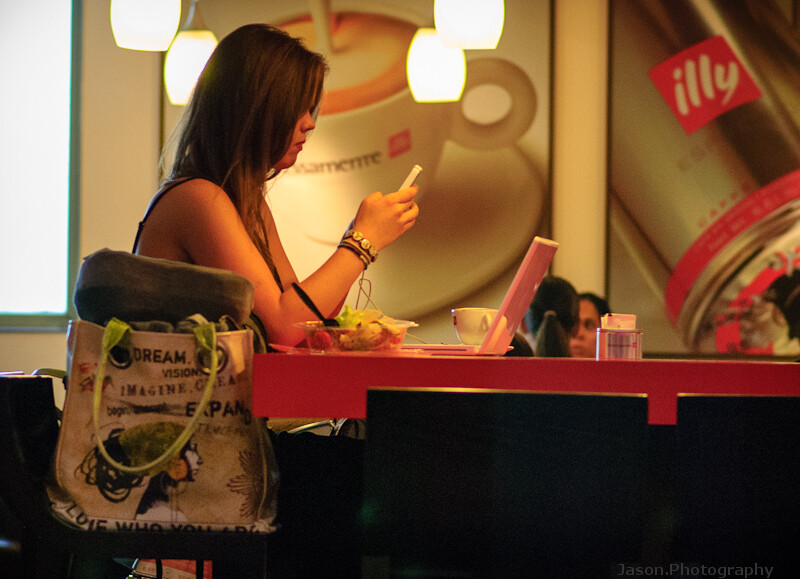
Why Restaurants Are Rethinking Phone Use
It is no longer just about discreetly checking a message. Now there are video calls, TikTok, notifications, cameras, lights for recording content, and screens constantly glowing in spaces originally designed for eating and conversation. This constant connectivity can disrupt the atmosphere and diminish the dining experience for everyone.
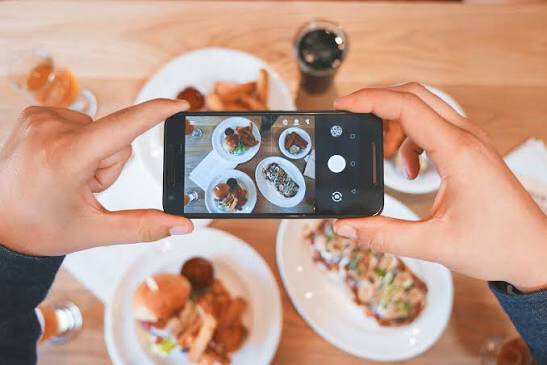
Some restaurateurs argue that phones have become a distraction that undermines the very reason people go out to eat: to connect with others. By limiting phone use, they hope to foster more meaningful interactions and a more relaxed environment. Others see it as a way to protect their brand and the quality of the experience they offer.
How Restaurants Are Curbing Phone Use
Establishments are experimenting with a variety of tactics to discourage phone use at the table. These range from gentle nudges to more forceful measures, depending on the venue's style and clientele.
- Locked pouches: Some restaurants ask guests to place their phones in locked pouches for the duration of the meal.
- Phone boxes or caddies: Others provide boxes or caddies where phones can be stored out of sight.
- Camera stickers: Stickers over the camera lens prevent photography and video recording.
- Incentives and rewards: A few offer discounts or free items to guests who keep their phones away.
- Outright bans: Certain venues have implemented full prohibitions on phone use at the table.
The Debate: Personal Freedom vs. Shared Experience
Not everyone is on board. Critics argue that phones are a personal choice and that restaurants should not dictate how guests spend their time. For many, a phone is a tool for sharing the experience, capturing memories, or even managing work or family obligations.
On the other hand, supporters of phone-free dining point out that the constant presence of screens can isolate individuals and erode the social fabric of a meal. They compare it to secondhand smoke: even if you are not using your phone, the glow and noise from others can intrude on your experience.
What This Means for Diners and Restaurants
As the debate continues, diners may increasingly encounter phone-free policies when eating out. For restaurants, the challenge is to balance the desire for a connected atmosphere with the expectations of a tech-savvy clientele. Some may find that a gentle approach works best, while others may opt for stricter measures. The background to this story is set out in Restaurants Banning Phones: The New Cigarettes of Dining. A related thread runs through Digital Detox Retreats: How Phone-Free Events Are Liberating. Earlier coverage in Digital Detox Retreats: How to Break Free from Your Phone shows how the argument developed.
Ultimately, the success of these policies will depend on the culture of the establishment and the preferences of its customers. What is clear is that the conversation about phones at the table is far from over. A closer look at the same subject appears in Digital Detox Retreats: How Phone-Free Events Are Booming in 2025. Anyone following the wider picture can start with Stationery Sale: Screen-Free Journals and Cards for Digital Detox. The same theme surfaces in Australian Schools Digital Detox: Screen Time Limits Explained, which takes a different angle.
What to Watch Next
Expect more experimentation with phone-limiting strategies as restaurants seek to differentiate themselves and create memorable experiences. The outcome may reshape dining etiquette for years to come, much like the anti-smoking movement did decades ago. Context on how this played out before sits in Australia Classroom Disruption Worst in World: Digital Detox Needed. A companion piece, Digital Detox: How to Help Your Stressed Partner Unplug, approaches the same subject from another angle.
FAQ
Are phones really becoming the new cigarettes in restaurants?Yes, a growing number of restaurants are treating phones similarly to how cigarettes were once treated: as a disruption to the dining experience. They are implementing bans, locked pouches, and other measures to limit phone use at the table.
What methods are restaurants using to discourage phone use?Restaurants are using locked pouches, phone boxes, camera stickers, rewards for phone-free meals, and outright bans. The approach varies depending on the venue's style and customer expectations.
Why do some people support phone-free dining?Supporters believe that phones distract from conversation and social interaction, and that constant screen use can intrude on the experience of other diners, similar to secondhand smoke.
Will phone bans in restaurants become more common?It is likely that more restaurants will experiment with phone-limiting policies as they seek to create distinctive dining experiences. However, the success of such policies will depend on customer acceptance and the establishment's culture.
Browse the Shop
 Acacia frida deluxe solid wood bed frame |
Bedroom bench |
Bed chest drawers |
Lingerie dresser |
Frame base |
Mirror with jewelry storage |
30 Bathroom Vanity |
Memory foam queen mattress |
Mattresses for back pain |
Nightstand set of 2 |
Grand Goldman Shop |
Civil Lawyer
Deutschland Trikot WM 2026










