

The Roman legion shipwreck discovered in Lake Neuchâtel, Switzerland, has yielded a remarkable cargo of luxury goods, confirming that Roman soldiers enjoyed fine wine and olive oil even in distant provinces. This 2,000-year-old find, dubbed the "Shipwreck of the Eagles," offers a rare glimpse into the lavish lifestyle of the Roman military and the extensive trade networks that supplied it.
Since 2024, the Octopus Foundation has recovered approximately 600 nearly intact items from the wreck, including plates, bowls, cups, and large fragments of amphorae used for transporting oil and wine. The preservation is exceptional due to the lake's calm, oxygen-poor waters, which have kept the artifacts in pristine condition for two millennia.
Find Original Home Decor sparking conversation at Grand Goldman Shop.

Discovery of the Roman Legion Shipwreck
The wreck was found in the depths of Lake Neuchâtel, a site that has long been a treasure trove for archaeologists. The ship is believed to have sunk between 17 and 50 AD, during the height of the Roman Empire. The cargo suggests it was carrying supplies for a military unit, possibly the legions stationed in the region.
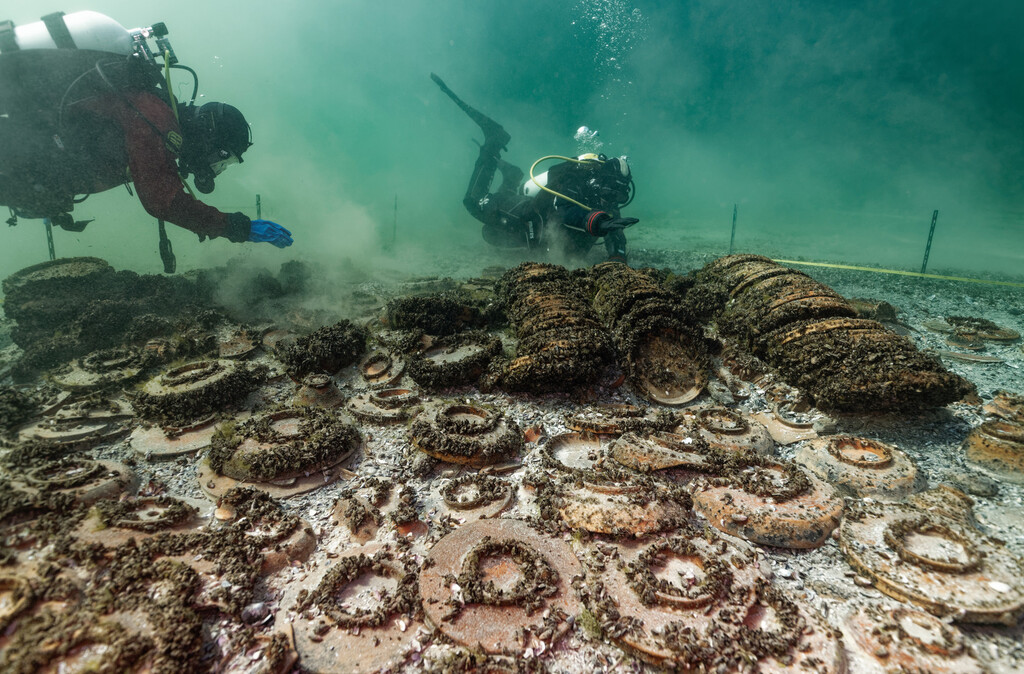
Among the recovered items are ceramic tableware, including finely made plates and bowls, which were likely used by officers for dining. Two large amphora fragments indicate the transport of olive oil or wine, staples of the Mediterranean diet that were highly prized in the northern provinces.
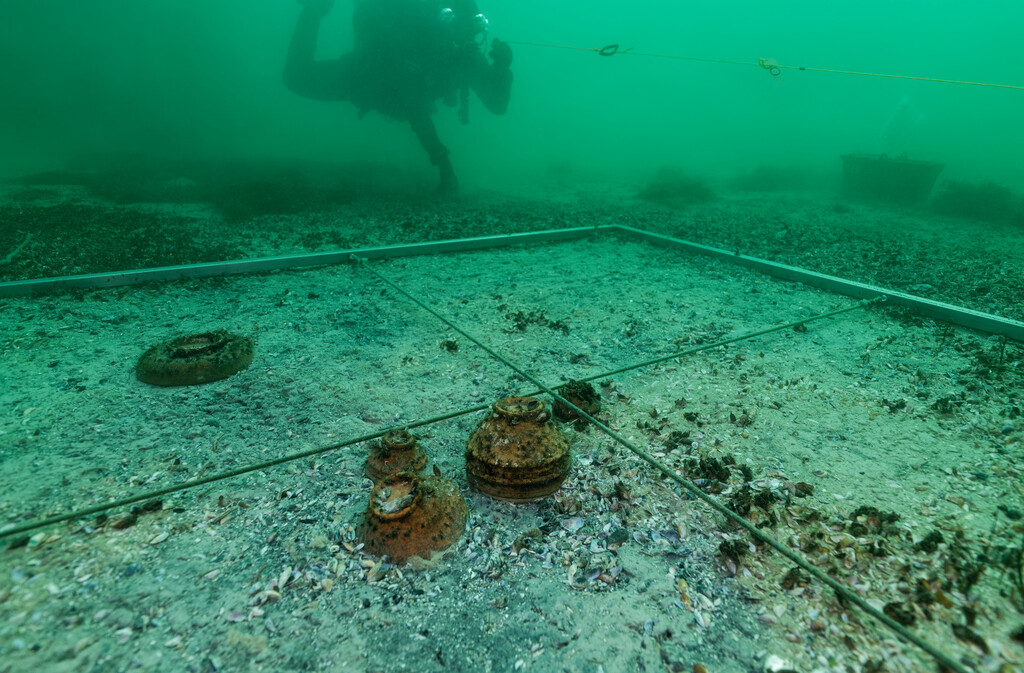
The presence of a woven basket containing cooking utensils, preserved in the lake's lime-rich sediment, adds to the uniqueness of the find. Such organic materials rarely survive in archaeological contexts, making this discovery particularly valuable.
Why This Shipwreck Matters
This find challenges the notion that Roman soldiers on the frontier lived a life of deprivation. Instead, it shows that they had access to the same luxuries as their counterparts in Rome. The cargo likely belonged to a high-ranking officer or was intended for a special occasion, highlighting the importance of supply lines in maintaining morale and loyalty.
The artifacts also provide insight into the Roman trade network, which spanned from the Mediterranean to the edges of the empire. Olive oil from Hispania (modern-day Spain and Portugal) and wine from Italy or Greece would have traveled hundreds of miles to reach this alpine outpost.
According to the Octopus Foundation, the wreck is one of the most significant underwater archaeological discoveries in Switzerland. The team plans to continue excavations, hoping to uncover more about the ship's origin and destination.
Key Takeaways from the Discovery
- 600 artifacts recovered, including nearly intact plates, bowls, and cups.
- Amphorae fragments confirm the transport of olive oil and wine.
- Preserved organic materials, like a woven basket, offer rare insights into daily life.
- Ship sank between 17 and 50 AD, during the Roman Empire's expansion.
- High-status cargo suggests the presence of officers or special supplies.
What Was on Board? A Closer Look
The recovered items paint a picture of a sophisticated dining experience. The tableware includes fine pottery, likely used for serving meals, while the amphorae would have held valuable liquids. The basket, preserved by the lake's calcareous water, contained utensils that might have been used for cooking or serving. The longer history behind the story is traced in Roman Legion Shipwreck in Swiss Lake Reveals Luxury Cargo.
Such goods were not standard issue for common soldiers; they indicate a level of luxury reserved for the elite. This aligns with historical records that show Roman officers often dined well, even in remote outposts. The background to this story is set out in Roman Shipwreck with 500 Amphorae Found Off Sicily Coast. A related thread runs through Devon Man First to Swim All 10 Largest Swiss Lakes. Earlier coverage in Pompeii Wardrobe Yields Perfume Bottle and Child's Necklace shows how the argument developed.
| Item | Material | Significance |
|---|---|---|
| Plates, bowls, cups | Ceramic | Fine tableware for dining |
| Amphorae fragments | Clay | Transport of olive oil and wine |
| Woven basket | Organic (mimbre) | Preserved by lake's lime; contained utensils |
| Cooking utensils | Metal/wood | Daily life and food preparation |
The Broader Context of Roman Luxury
The Roman Empire was renowned for its extensive trade networks, which brought exotic goods to every corner of its domain. The Monte Testaccio in Rome, an artificial hill made of broken amphorae, is a testament to the scale of olive oil imports from Hispania. Similarly, the shipwreck in Lake Neuchâtel underscores how even remote provinces were integrated into this system. A closer look at the same subject appears in Trending: latest articles. Anyone following the wider picture can start with Mystery of the Headless Roman Bronze Statue of Pamplona. The same theme surfaces in Mayan Elites Traded Pedigreed Dogs Over 1,000 Years Ago, which takes a different angle.
The Octopus Foundation continues to study the wreck, and future analyses may reveal more about the ship's crew and cargo. For now, the discovery stands as a powerful reminder of the Roman military's taste for the finer things in life. Context on how this played out before sits in Shackleton's Quest Shipwreck Found Off Greenland. A companion piece, Denmark's Largest Wind Farm Uncovers 400-Year-Old Shipwreck, approaches the same subject from another angle.
FAQ
What is the "Shipwreck of the Eagles"?
The "Shipwreck of the Eagles" is a Roman shipwreck found in Lake Neuchâtel, Switzerland, dating to between 17 and 50 AD. It is named for the eagle standards carried by Roman legions and has yielded a cargo of luxury goods.
What items were recovered from the shipwreck?
Approximately 600 items have been recovered, including ceramic plates, bowls, cups, amphorae fragments, and a woven basket with cooking utensils. Many are nearly intact due to the lake's preservative conditions.
Why is this discovery important?
It provides evidence that Roman soldiers and officials in frontier provinces had access to Mediterranean luxuries like wine and olive oil, challenging assumptions about their standard of living and highlighting the reach of Roman trade networks.
Who is leading the excavation?
The Octopus Foundation has been leading the recovery efforts since 2024, working to document and preserve the artifacts from the wreck.
Browse the Shop
 Acacia frida deluxe solid wood bed frame |
Bedroom bench |
Bed chest drawers |
Lingerie dresser |
Frame base |
Mirror with jewelry storage |
30 Bathroom Vanity |
Memory foam queen mattress |
Mattresses for back pain |
Nightstand set of 2 |
Grand Goldman Shop |
Civil Lawyer
Deutschland Trikot WM 2026







