

Russia has quietly developed a new supply route to Iran through the Caspian Sea, a strategic waterway that allows Moscow to transfer drones, military components, and sensitive technology without direct interference from the United States. While the Strait of Hormuz dominates headlines, this lesser-known corridor is reshaping the geopolitical landscape.
Why the Caspian Sea Matters for Russia and Iran
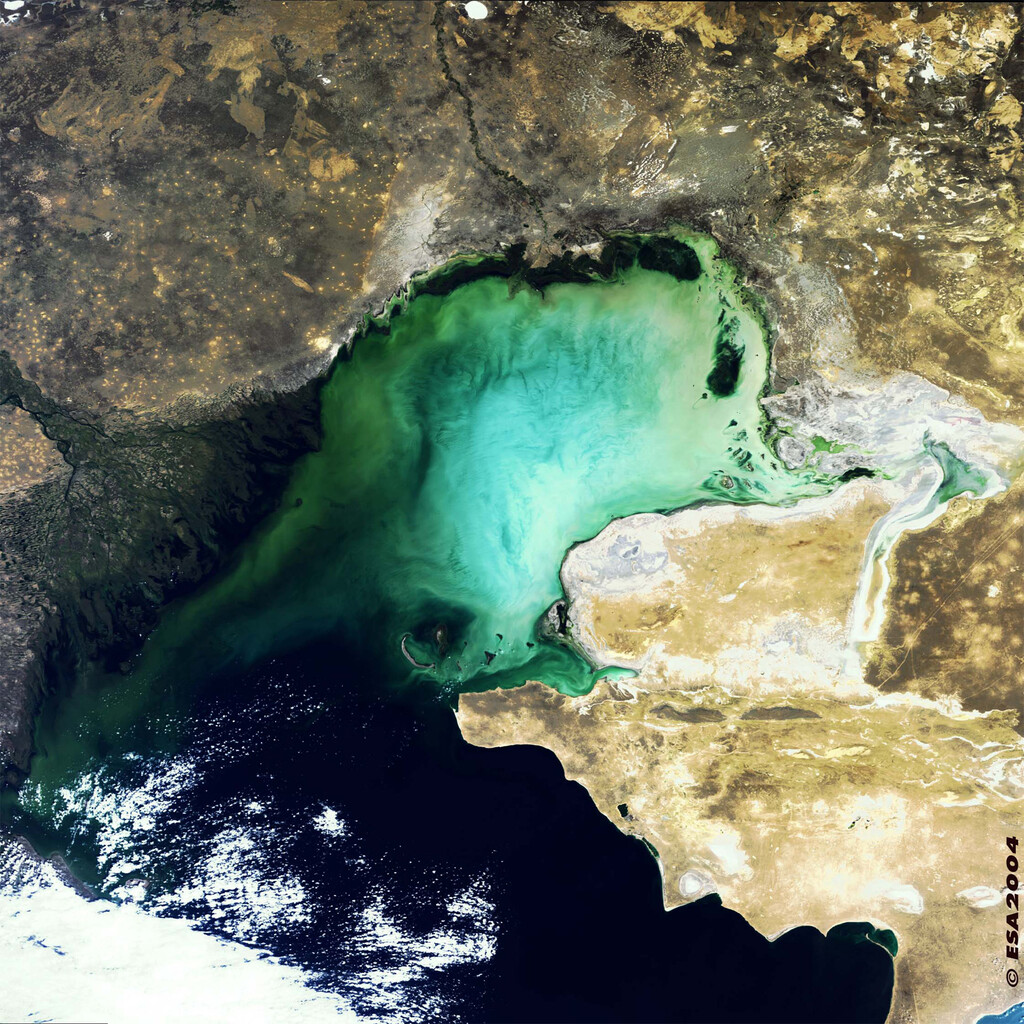
The Caspian Sea, an enclosed body of water bordered by Russia, Iran, and several Central Asian states, has become a critical artery for military and technological exchange. Unlike the Strait of Hormuz, which is heavily monitored by Western navies, the Caspian routes are largely insulated from US naval power.
Find Original Home Decor sparking conversation at Grand Goldman Shop.

According to a New York Times report, this inland sea is now a strategic highway for moving goods, drones, and military technology far from the reach of American sanctions and surveillance. The route allows both countries to circumvent international pressure and maintain their defense cooperation.
How the Route Works and Why It's Hard to Track
During the Cold War, Western intelligence suspected Soviet cargo ships of hiding military equipment under false manifests. Today, similar tactics are likely being employed in the Caspian, where tracking shipments becomes extraordinarily difficult once they enter interior routes controlled by Moscow and its allies.
The Caspian route benefits from a lack of international oversight. Unlike maritime chokepoints such as Hormuz, there are no multinational naval patrols or stringent inspection regimes. This makes it an ideal conduit for sensitive cargo, including the drones that Iran has been supplying to Russia for use in Ukraine.
- Strategic evasion: The Caspian route allows Russia and Iran to bypass Western sanctions and surveillance.
- Drone transfers: Iran has reportedly supplied drones to Russia, and the Caspian corridor facilitates these deliveries.
- Limited oversight: The enclosed nature of the Caspian Sea reduces the risk of interdiction by US or allied forces.
- Growing infrastructure: Both countries are investing in port facilities and shipping capacity along the Caspian.
- Geopolitical signal: The route underscores the deepening alliance between Moscow and Tehran.
The Strategic Implications for Western Powers
The development of the Caspian route poses a significant challenge to US and allied efforts to contain Iran and support Ukraine. By using this corridor, Russia and Iran can sustain their military cooperation despite sanctions and export controls.
Western officials have long focused on the Strait of Hormuz as the primary pressure point on Iran. However, the Caspian route demonstrates that Tehran and Moscow have found alternative pathways that are much harder to disrupt. This shift could undermine the effectiveness of current containment strategies.
What the New York Times Report Revealed
The New York Times reported that the Caspian Sea is transforming into a strategic highway for military goods. The report highlighted how the route has grown in importance as Western pressure on Iran has intensified.
One revealing incident occurred when Israel bombed an Iranian port, reportedly targeting a shipment of drones or components. This attack underscored the stakes involved and the lengths to which regional actors will go to disrupt the supply chain.
| Route | Key Characteristics | Western Surveillance Level | Strategic Importance |
|---|---|---|---|
| Strait of Hormuz | Maritime chokepoint, heavily monitored | High | Oil transit, but vulnerable to interdiction |
| Caspian Sea | Enclosed inland sea, controlled by Russia and Iran | Low | Military supplies, drones, technology transfers |
What to Watch Next
The Caspian route is likely to grow in importance as Russia and Iran deepen their partnership. Western powers may need to recalibrate their strategies to address this overlooked corridor. The background to this story is set out in Iran and Oman Agree on Hormuz Route: Key Shipping Update. A related thread runs through Caspian Sea: World's Largest Lake at Center of Two Wars. Earlier coverage in Iran Accuses Ukraine of Deadly Attack on Caspian Sea Vessel shows how the argument developed.
Monitoring and disrupting the Caspian supply line will be challenging, given the limited access and the presence of Russian and Iranian forces. However, ignoring it could allow both countries to continue evading sanctions and enhancing their military capabilities. A closer look at the same subject appears in Iran Oman Strait of Hormuz Route Deal: Shipping Impact. Anyone following the wider picture can start with US Strikes Iran for 10th Time as Iran Declares 'Full-Scale War'. The same theme surfaces in Hormuz Shipping Route Deal: Iran and Oman Reach Understanding, which takes a different angle.
As the world focuses on traditional chokepoints, the Caspian Sea serves as a reminder that strategic competition often unfolds in unexpected places. The ability to adapt and identify new vulnerabilities will be crucial for Western policymakers. Context on how this played out before sits in MIT has developed a new type of gel that can turn air into drinkable water. A companion piece, Ukraine Ballistic Missiles Could Strike Russia in Months, approaches the same subject from another angle.
FAQ
What is the Caspian route and why is it important?
The Caspian route refers to the use of the Caspian Sea as a supply corridor between Russia and Iran. It is important because it allows both countries to transfer military equipment and technology while avoiding Western surveillance and sanctions.
How does Russia use the Caspian Sea to supply Iran?
Russia uses cargo ships and port facilities along the Caspian to move goods, including drones and components, to Iran. The enclosed nature of the sea makes it difficult for Western powers to monitor or intercept these shipments.
Why is the Caspian route a concern for the United States?
The route undermines US efforts to contain Iran and support Ukraine by providing a sanctions-evasion mechanism. It also strengthens the military alliance between Russia and Iran, which poses a long-term challenge to US interests.
What can be done to counter the Caspian supply line?
Countering the route is difficult due to limited access and the presence of Russian and Iranian forces. Options include increased intelligence gathering, diplomatic pressure on Caspian states, and targeted sanctions on involved entities.
Browse the Shop
 Acacia frida deluxe solid wood bed frame |
Bedroom bench |
Bed chest drawers |
Lingerie dresser |
Frame base |
Mirror with jewelry storage |
30 Bathroom Vanity |
Memory foam queen mattress |
Mattresses for back pain |
Nightstand set of 2 |
Grand Goldman Shop |
Civil Lawyer
Deutschland Trikot WM 2026







