

St. Thomas, a historic town in Nevada, has re-emerged from Lake Mead after being submerged for nearly 90 years. The town was flooded in 1938 when the Hoover Dam was completed, and now, due to severe drought, its ruins are visible again.
This reappearance is a stark reminder of the ongoing water crisis in the American West. As Lake Mead's water levels drop to historic lows, the remains of St. Thomas offer a glimpse into the past and a warning about the future.
Find Original Home Decor sparking conversation at Grand Goldman Shop.

The History of St. Thomas
Founded in 1865 by Mormon pioneers, St. Thomas was a thriving agricultural community about 100 kilometers east of Las Vegas. The settlers were drawn to the fertile valley where the Virgin and Muddy rivers converge, providing enough water for irrigation and crops like melons, cotton, and watermelons.
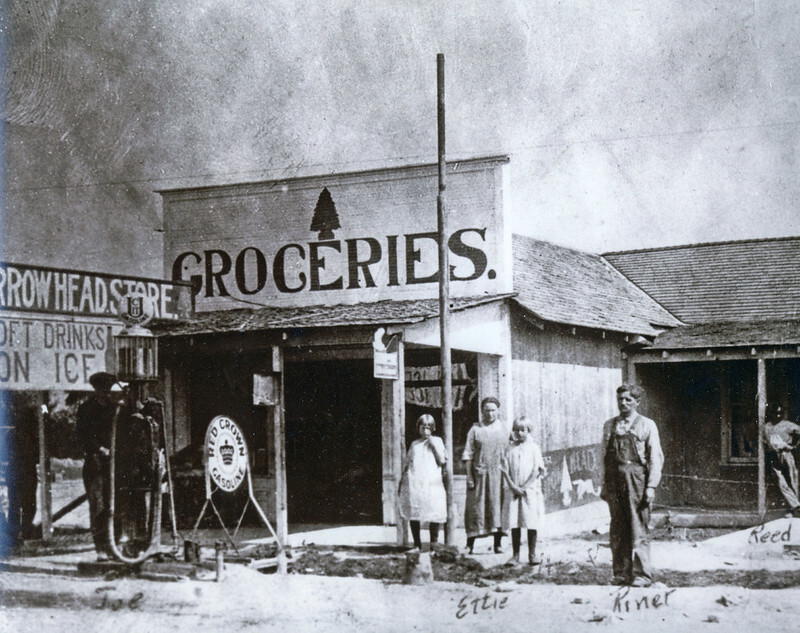
Initially, the settlers believed they were in Utah, but a federal survey determined the town was actually in Nevada. When authorities demanded back taxes, many Mormons refused to pay and abandoned the settlement in 1871. However, new residents soon arrived, and St. Thomas grew into a small commercial and agricultural hub on the route between Salt Lake City and Los Angeles.
Why Was St. Thomas Submerged?
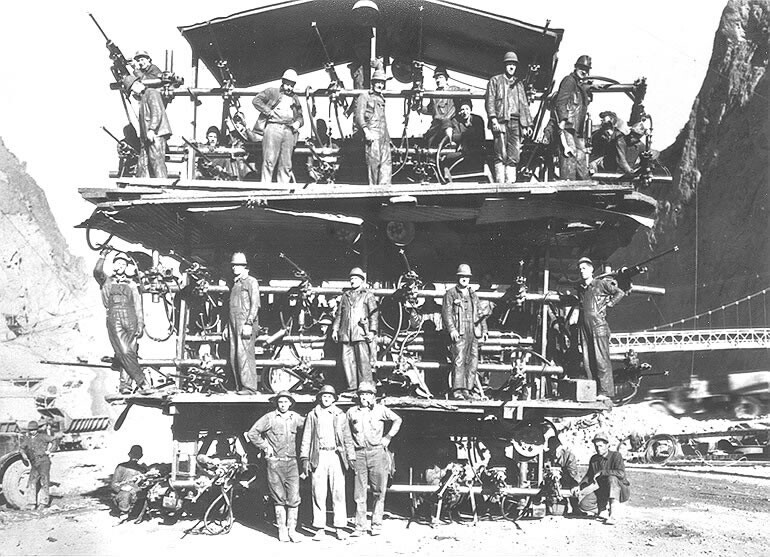
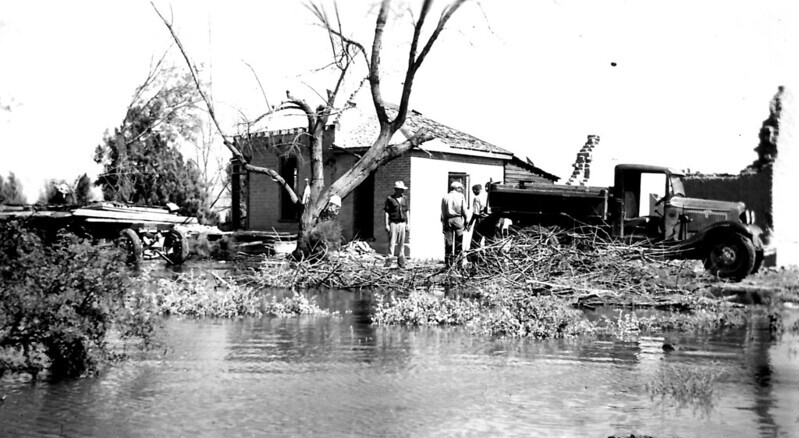
In the 1930s, the construction of the Hoover Dam created Lake Mead, the largest reservoir in the United States. The rising waters were set to engulf St. Thomas, despite protests from residents. The town was officially submerged in 1938, and its buildings, homes, and history disappeared beneath the surface.
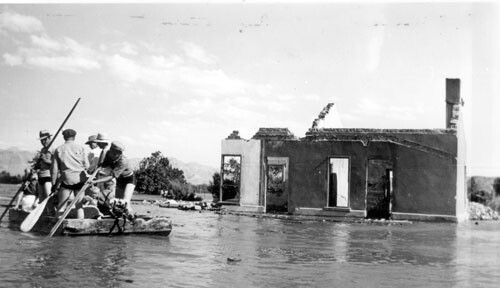
For decades, St. Thomas remained hidden, a forgotten chapter in the story of American westward expansion. But the recent drought has changed that.
The Drought and the Reemergence
As of August 2026, Lake Mead has fallen to levels not seen since it began filling about 90 years ago. The receding waters have exposed the ruins of St. Thomas, including foundations, artifacts, and even some preserved structures. The longer history behind the story is traced in St. Thomas Emerges From Lake Mead After 90 Years Underwater.
This phenomenon is not unique to St. Thomas; other submerged sites have also reappeared as water levels drop. However, St. Thomas is one of the most significant, as it was a fully functioning town with a rich history. The background to this story is set out in Lake Mead Human Remains Found as Drought Lowers Water Levels. A related thread runs through Lake Mead Historic Low Water Level: Colorado River Crisis Deepens. Earlier coverage in Lake Mead Hits Historic Low Water Level as Colorado River Crisis shows how the argument developed.
Key Takeaways
- St. Thomas was a thriving agricultural town founded in 1865 by Mormon pioneers.
- It was submerged in 1938 by the creation of Lake Mead after the Hoover Dam was built.
- Severe drought has caused Lake Mead to shrink, revealing the town's ruins.
- The reemergence serves as a visible indicator of the region's water crisis.
- Climate change and overuse are major factors in the declining water levels.
What the Reemergence Means
The reappearance of St. Thomas is more than a historical curiosity; it is a powerful symbol of the challenges facing the American West. The Colorado River, which feeds Lake Mead, supports millions of people and vast agricultural areas across seven states and Mexico. As the river's flow diminishes, water managers are forced to make tough decisions about allocation. A closer look at the same subject appears in Lake Mead Barrel Victim Identified as Edward Jackson After Four Years. Anyone following the wider picture can start with Mark Butler: Health Minister Emerges as Future PM Contender. The same theme surfaces in Mark Butler: Labor's Pragmatic Health Minister Emerges as Future PM, which takes a different angle.
The town's ruins also attract tourists and historians, eager to see the remnants of a bygone era. But for many, the sight is a sobering reminder of what could be lost if water conservation efforts fail. Context on how this played out before sits in Trending: latest articles. A companion piece, Northern Spain's Drought Crisis: Trucked Water in Cantabria and Basque Country, approaches the same subject from another angle.
Comparison of Lake Mead Water Levels
| Year | Water Level (feet above sea level) | Status of St. Thomas |
|---|---|---|
| 1938 | Approx. 1,200 | Submerged |
| 2000 | Approx. 1,200 | Submerged |
| 2022 | 1,040 | Partially exposed |
| 2026 | Below 1,000 | Significantly exposed |
Note: Water levels are approximate and based on reported data.
FAQ
Where is St. Thomas located?
St. Thomas was located in the Moapa Valley, about 100 kilometers east of Las Vegas, near the confluence of the Virgin and Muddy rivers. Today, the site is within the boundaries of Lake Mead National Recreation Area.
Can you visit the ruins of St. Thomas?
Yes, when water levels are low enough, the ruins are accessible via a trail from the St. Thomas trailhead. Visitors can see foundations, artifacts, and interpretive signs. However, access depends on current water levels and weather conditions.
Why did the water level in Lake Mead drop so much?
The decline is due to a combination of prolonged drought, increased water demand, and climate change. The Colorado River has been experiencing reduced flows, and the reservoir has been over-allocated for decades.
What happened to the residents of St. Thomas?
Most residents relocated to nearby towns such as Overton and Logandale. Some buildings were moved, and many families started new lives elsewhere. The town's legacy is preserved in local museums and historical societies.
The story of St. Thomas is a compelling blend of history and environmental reality. As the West grapples with water scarcity, the town's ruins stand as a testament to the power of nature and the importance of sustainable water management.
Browse the Shop
 Acacia frida deluxe solid wood bed frame |
Bedroom bench |
Bed chest drawers |
Lingerie dresser |
Frame base |
Mirror with jewelry storage |
30 Bathroom Vanity |
Memory foam queen mattress |
Mattresses for back pain |
Nightstand set of 2 |
Grand Goldman Shop |
Civil Lawyer
Deutschland Trikot WM 2026







