

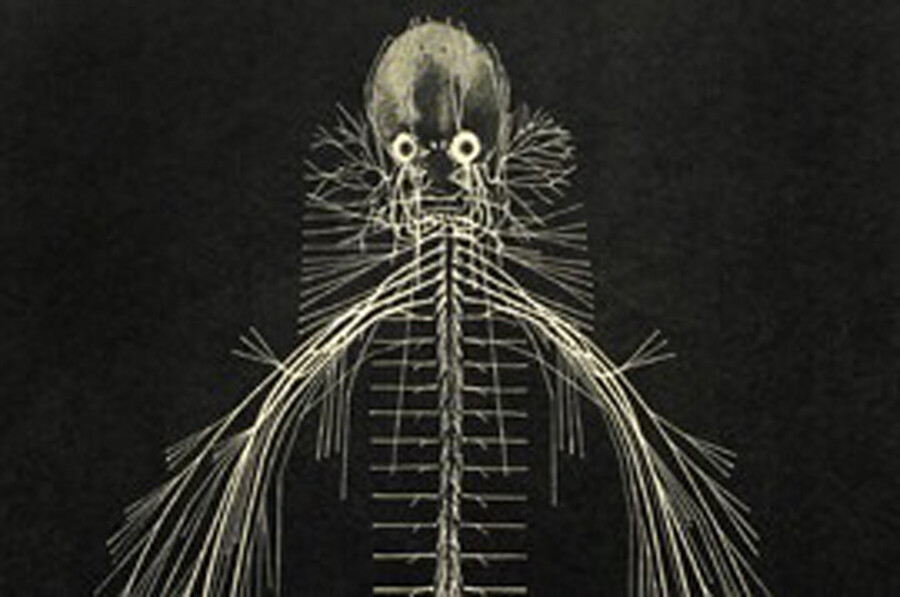
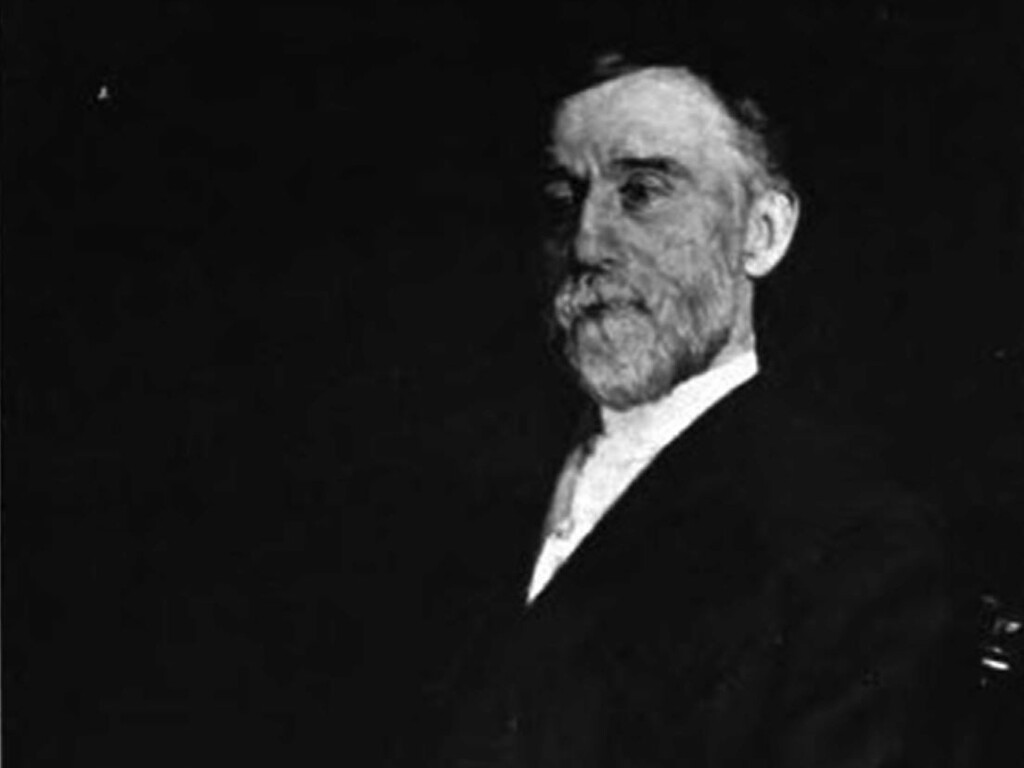
The 1888 dissection that launched modern forensic science began with a bold experiment by Dr. Rufus B. Weaver, who meticulously dissected a human cadaver to reveal its entire nervous system. This groundbreaking work, still visible today at Drexel University College of Medicine, transformed anatomy and forensic investigation.
The Story Behind the 1888 Dissection
In 1888, Dr. Rufus B. Weaver, a professor at Hahnemann Medical College (now Drexel University College of Medicine), undertook an extraordinary task: dissecting a human body to expose the complete nervous system. The result, known as Harriet, is a specimen that has fascinated visitors for over 130 years.
Find Original Home Decor sparking conversation at Grand Goldman Shop.

Harriet was not just any cadaver; she was a real person, a former employee of the college who died at age 35. Weaver's work was both a scientific and artistic feat, requiring surgical precision that many considered impossible at the time.
Why the Dissection Mattered for Forensic Science
Weaver's dissection was more than a medical curiosity; it was a pivotal moment for forensic science. By mapping the nervous system in such detail, Weaver provided a foundational understanding of human anatomy that would later aid in criminal investigations and legal medicine.
Forensic science relies on accurate anatomical knowledge to determine causes of death, identify injuries, and solve crimes. Weaver's meticulous technique demonstrated how dissection could reveal hidden structures, setting a new standard for post-mortem examinations.
Harriet: A Specimen of Science and Art
Harriet is a full-body nervous system specimen, displayed in a glass case at Drexel's Student Activities Center. The cadaver is completely devoid of skin, showcasing the intricate network of nerves that control the human body.
Visitors often describe a mix of shock, discomfort, and fascination when viewing Harriet. In an era of 3D printing, such a specimen might seem less remarkable, but the knowledge that it is the remains of a real person, preserved through painstaking labor, adds a profound human element.
The Legacy of Rufus B. Weaver
Weaver's work on Harriet cemented his legacy as a pioneer in anatomy and forensic science. His techniques influenced generations of medical students and researchers, who studied the specimen to understand the nervous system.
Today, Harriet serves as an educational tool and a historical artifact, reminding us of the bold steps taken in the name of science. Weaver's dedication to his craft exemplifies the curiosity and perseverance that drive medical breakthroughs. The background to this story is set out in Forensic Challenges in Nepal Flood Disaster: Expert Insights. A related thread runs through Best UK Universities for Forensic Science: League Table. Earlier coverage in Atlas of Disappearance Review: Forensic Quest for Spain's shows how the argument developed.
What This Means for Modern Forensic Science
Modern forensic science owes much to the foundational work of anatomists like Weaver. His dissection techniques paved the way for more advanced methods of preserving and studying human remains, which are crucial in forensic investigations. A closer look at the same subject appears in Trending: latest articles. Anyone following the wider picture can start with How a Nazi-Engineered Famine Led to the Discovery of Celiac Disease. The same theme surfaces in Ancient Islamic Shipwreck Found in Mallorca with Deer Antlers, which takes a different angle.
Understanding the nervous system's layout is essential in forensic pathology, especially in cases involving trauma to the head or spine. Weaver's specimen provided early insights that continue to inform contemporary practices. Context on how this played out before sits in Alfonso Graña: The Galician Explorer Who Became Amazon King. A companion piece, The 1888 Dissection That Launched Modern Forensic Science, approaches the same subject from another angle.
Key Takeaways from the 1888 Dissection
- Pioneering technique: Weaver's dissection was a surgical marvel that advanced anatomical knowledge.
- Forensic impact: The detailed nervous system map aided early forensic investigations.
- Human element: Harriet was a real person, adding ethical and historical depth.
- Educational value: The specimen remains a valuable teaching tool at Drexel.
- Legacy: Weaver's work continues to inspire forensic and medical professionals.
Comparison of 19th-Century and Modern Dissection Techniques
| Aspect | 1888 Weaver's Dissection | Modern Techniques |
|---|---|---|
| Preservation Method | Manual dissection, likely using chemical preservatives | Formalin fixation, plastination, digital imaging |
| Detail Revealed | Gross nervous system structure | Microscopic and molecular details |
| Purpose | Anatomical education and research | Forensic analysis, medical training, research |
| Ethical Considerations | Less regulated, often using unclaimed bodies | Strict consent and ethical guidelines |
FAQ
Who was Harriet?
Harriet is the name given to a human nervous system specimen created by Dr. Rufus B. Weaver in 1888. She was a former employee of Hahnemann Medical College who died at age 35.
Why is Harriet important to forensic science?
Harriet represents a pioneering effort in anatomical dissection that provided detailed insights into the nervous system, which later became foundational for forensic pathology and investigation.
Can the public view Harriet today?
Harriet was displayed in a glass case at Drexel University College of Medicine's Student Activities Center until at least a couple of years ago. Access may be restricted, so check with the university for current viewing policies.
How did Weaver preserve the nerves?
The exact method is not detailed in the source, but it likely involved chemical preservatives and meticulous manual dissection to isolate the nervous system without damaging it.
Browse the Shop
 Acacia frida deluxe solid wood bed frame |
Bedroom bench |
Bed chest drawers |
Lingerie dresser |
Frame base |
Mirror with jewelry storage |
30 Bathroom Vanity |
Memory foam queen mattress |
Mattresses for back pain |
Nightstand set of 2 |
Grand Goldman Shop |
Civil Lawyer
Deutschland Trikot WM 2026







