

The correct way to hang toilet paper has been debated for over a century, but a 1891 patent may have settled the toilet paper orientation question once and for all. The dispute between hanging the roll "over" or "under" has divided households, sparked arguments, and even become a cultural touchstone. Yet the answer has been hiding in plain sight for more than 130 years.
The Great Toilet Paper Orientation Debate
For generations, people have argued passionately about whether the toilet paper should hang over or under the roll. Those in the "over" camp cite practical and hygienic reasons: it's easier to find the end, reduces contact with the wall (and thus germs), and looks neater. On the other side, "under" supporters prefer its discreet appearance and the fact that it makes it harder for pets or children to unroll the entire roll.
Find Original Home Decor sparking conversation at Grand Goldman Shop.

This debate isn't just a minor household annoyance; it's a cultural phenomenon. It has been referenced in TV shows, memes, and casual conversations, reflecting how deeply personal and seemingly trivial preferences can become. But why has it persisted for so long? The answer may lie in our reluctance to accept an official verdict, even when one exists.
The 1891 Patent That Ended the Argument
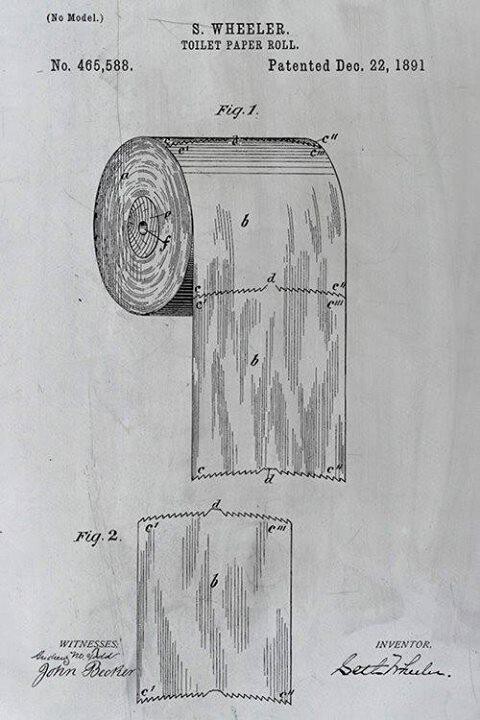
In 2015, writer Owen Williams unearthed a historical image from the archives: a patent from 1891 that clearly illustrates the correct orientation. The patent, granted to Seth Wheeler, shows the toilet paper roll with the sheet hanging over the top. This wasn't just a random drawing; it was an official design for a dispenser that Wheeler had invented.
The patent drawing leaves little room for interpretation. It depicts the roll with the loose end coming over the top, confirming that the "over" method is the original and intended design. This revelation should have settled the debate, but old habits die hard, and many people continue to hang their toilet paper "under" out of preference or ignorance.
Why the Debate Persists Despite the Evidence
Even with historical evidence, the toilet paper orientation debate rages on. This persistence can be attributed to several factors. First, personal preference often trumps logic; people grow accustomed to a certain method and resist change. Second, the debate has become a playful cultural trope, and some people argue for the sake of argument. Finally, not everyone is aware of the patent, and even those who are may choose to ignore it.
Moreover, the design of modern toilet paper holders can influence the orientation. Some holders are designed in a way that makes it difficult to hang the roll "over," forcing users to go "under." This practical constraint can perpetuate the "under" method, even among those who might prefer "over" if given the choice. The background to this story is set out in Toilet Paper Alternatives: What People Used Before It Existed. A related thread runs through Funny Toilet Paper Holders.
Practical Considerations for Toilet Paper Orientation
Beyond the historical patent, there are practical reasons to consider the "over" orientation. Hanging the paper over makes it easier to grab, especially in moments of urgency. It also minimizes the risk of the paper touching the wall or other surfaces, which can harbor bacteria. For households with pets or young children, the "under" orientation might seem appealing because it's harder to unroll, but it can also lead to frustration and wasted paper when the roll inevitably gets stuck. Earlier coverage in Dinosaur Shaped Toilet Paper Holder Designs shows how the argument developed. A closer look at the same subject appears in DIY Toilet Paper Holder: Aluminum & Plexiglass Wall Mount.
Ultimately, the choice may come down to personal preference, but the evidence leans heavily toward "over." The 1891 patent provides a definitive answer, and practical considerations support it. So why do so many people still hang it "under"? It's a testament to the power of habit and the human tendency to stick with what we know, even when presented with a better way. Anyone following the wider picture can start with Toilet Paper Prices Surge as US-Canada Trade War Escalates. The same theme surfaces in Ideas and Shapes of Holders for Toilet Paper, which takes a different angle.
Key Takeaways from the Toilet Paper Patent
- The 1891 patent by Seth Wheeler clearly shows the toilet paper hanging over the top.
- The "over" orientation is the original design and is supported by hygienic and practical reasons.
- Despite the evidence, the debate persists due to personal preference and habit.
- Modern toilet paper holders can influence orientation, sometimes forcing the "under" method.
- Understanding the history can help settle the argument and promote better hygiene.
Comparison of Toilet Paper Orientations
| Aspect | Over Orientation | Under Orientation |
|---|---|---|
| Ease of Use | Easy to find and grab | Can be harder to locate the end |
| Hygiene | Reduces contact with wall | May increase contact with wall |
| Pet/Child Resistance | Easier to unroll | Harder to unroll |
| Historical Evidence | Supported by 1891 patent | No historical support |
| Aesthetic | Neat and orderly | Discreet |
FAQ
What is the correct way to hang toilet paper?
The correct way, according to an 1891 patent, is to hang the toilet paper with the sheet coming over the top of the roll. This orientation is also supported by practical and hygienic reasons.
Who invented the toilet paper roll?
Seth Wheeler is credited with inventing the toilet paper roll and received a patent for it in 1891. His design clearly showed the paper hanging over the top.
Why do some people hang toilet paper under?
Some people hang toilet paper under out of habit, personal preference, or because their toilet paper holder makes it difficult to hang it over. It can also make it harder for pets and children to unroll the paper.
Does the toilet paper orientation really matter?
While it may seem trivial, the orientation can affect hygiene and ease of use. The over orientation is generally considered more hygienic and practical, but personal preference plays a significant role.
Browse the Shop
 Acacia frida deluxe solid wood bed frame |
Bedroom bench |
Bed chest drawers |
Lingerie dresser |
Frame base |
Mirror with jewelry storage |
30 Bathroom Vanity |
Memory foam queen mattress |
Mattresses for back pain |
Nightstand set of 2 |
Grand Goldman Shop |
Civil Lawyer
Deutschland Trikot WM 2026







