

Tying ribbons to luggage at the airport is a common practice among travelers trying to spot their bags quickly on the carousel. But according to airport baggage handlers, this seemingly harmless habit can actually cause problems and delays. In this article, we'll explore why tying ribbons to your suitcase is a bad idea and what you should do instead.
Why Travelers Tie Ribbons to Luggage
The main reason people tie ribbons, scarves, or colorful straps to their luggage is to make their bags easily identifiable. With so many similar-looking black suitcases on the conveyor belt, a bright ribbon can help you spot yours faster and avoid grabbing the wrong bag.
Find Original Home Decor sparking conversation at Grand Goldman Shop.

It's a simple trick that many believe saves time and reduces stress at baggage claim. However, what seems like a smart hack on the surface has hidden downsides that airport staff are all too familiar with.
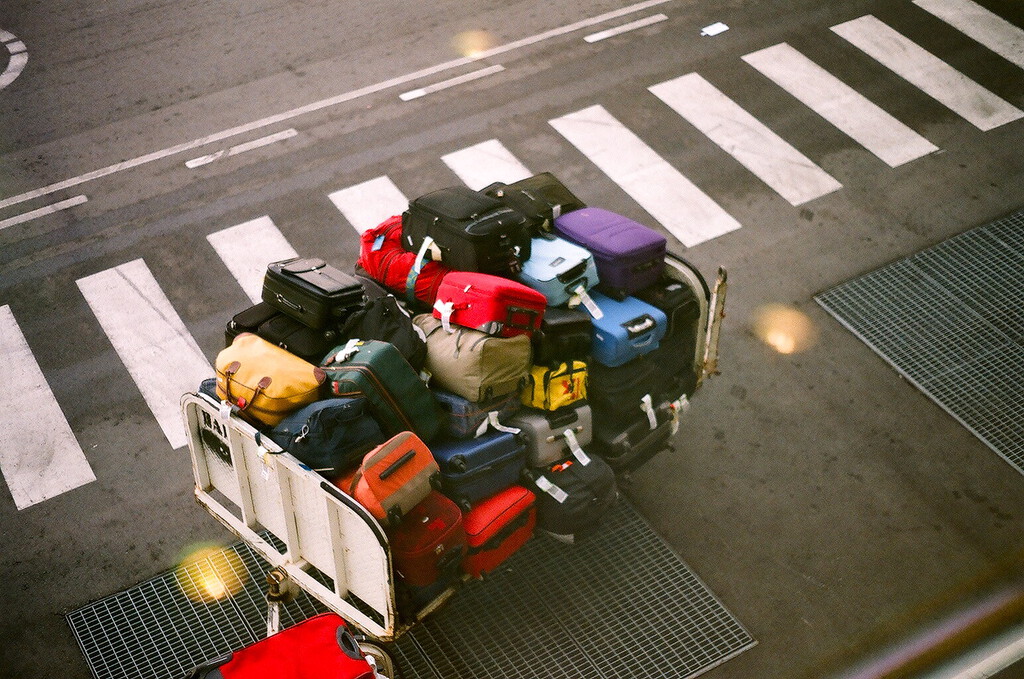
The Problems Caused by Luggage Ribbons
Airport baggage handlers have warned that ribbons and other attachments can interfere with the automated systems that scan and sort luggage. These systems rely on precise dimensions and smooth surfaces to function efficiently. When a ribbon dangles from a bag, it can get caught in conveyor belts or scanners, leading to jams and delays.
Moreover, security personnel may need to manually inspect bags with unusual attachments, which can slow down the screening process. In some cases, a ribbon might obscure part of the bag, making it harder for X-ray machines to get a clear image, prompting additional checks.
John, a baggage handler at Dublin Airport, highlighted in 2024 that such attachments can cause operational issues. Dublin Airport is a major hub handling tens of millions of passengers annually, so even small disruptions can have a ripple effect.
Impact on Security Screenings
Security is a top priority at airports, and any item that complicates the screening process is frowned upon. Ribbons and similar decorations can trigger alarms or require extra scrutiny, leading to longer wait times for your luggage to clear security.
This not only affects your bag but can also delay other passengers' luggage, creating a bottleneck in the system. In busy airports, even a minor delay can escalate quickly.
Risk of Damage to Luggage
Ribbons can also pose a risk to your own luggage. If a ribbon gets caught in machinery, it could tear or damage the bag's handle or zipper. In some cases, the ribbon itself might be ripped off, leaving you with a less identifiable bag and a potential repair bill.
What to Do Instead
So, if tying ribbons is not advisable, how can you make your luggage stand out? Here are some safer alternatives:
- Use a distinctive luggage tag: Choose a brightly colored or uniquely shaped tag that is securely attached and won't dangle.
- Personalize your suitcase: Add stickers or use a permanent marker to write your initials on the bag (check airline policies first).
- Choose an unusual color or pattern: If you're buying new luggage, opt for a color or pattern that is easy to spot.
- Take a photo of your bag: A quick photo can help you describe your bag to staff if it goes missing.
- Use a GPS tracker: Place a tracker inside your bag to monitor its location in case it gets lost.
Comparison of Luggage Identification Methods
| Method | Pros | Cons |
|---|---|---|
| Ribbons/Scarves | Highly visible, easy to spot | Can cause delays, get caught in machinery, security issues |
| Luggage Tags | Secure, less likely to interfere | May not be as visible from a distance |
| Stickers/Markers | Permanent, unique | May damage bag, not always allowed |
| GPS Tracker | Real-time tracking, peace of mind | Additional cost, requires battery |
Expert Advice from Airports
Airport authorities worldwide are increasingly advising passengers to avoid attaching loose items to their luggage. The advice is simple: keep your bags as smooth and free of dangling parts as possible to ensure smooth processing through automated systems.
Some airports have even installed signs or made announcements reminding travelers of this. It's part of a broader effort to improve efficiency and reduce mishandled baggage rates. The background to this story is set out in Jetstar Carry-On Baggage Fees Up to $52: What Travelers Need to. A related thread runs through Cold Shower Before Bed? Why It's a Bad Idea for Sleep. Earlier coverage in EU Border Chaos at Dover: Peak Summer Travel Tips shows how the argument developed.
What to Watch for Next
As airports continue to upgrade their baggage handling systems with more automation, the tolerance for non-standard items may decrease further. Travelers should stay informed about airline and airport guidelines regarding luggage attachments. A closer look at the same subject appears in Jetstar Carry-On Baggage Fees Up to $52: New Rules Explained. Anyone following the wider picture can start with Germany Travel Tips: Share Your Best Trip Experience. The same theme surfaces in Trending: latest articles, which takes a different angle.
Additionally, new technologies like RFID tags and improved tracking systems may eventually make personal identification methods obsolete. Until then, it's best to follow the advice of the experts and avoid tying ribbons to your bags. Context on how this played out before sits in How Heavy Is 15kg? 8 Everyday Examples Most People Get Wrong.
FAQ
Why is tying a ribbon to my luggage a bad idea?
Tying a ribbon to your luggage can interfere with automated baggage handling systems, causing delays and potential damage. It may also complicate security screenings, leading to longer wait times.
Can I use a colorful strap instead of a ribbon?
It's best to avoid any dangling attachments. Instead, use a secure luggage tag or choose a distinctive suitcase that is easy to identify without extra accessories.
What are the safest ways to identify my luggage?
The safest methods include using a sturdy luggage tag, personalizing your bag with stickers or markers (if allowed), or placing a GPS tracker inside. These minimize interference with airport systems.
Do all airports have issues with ribbons on luggage?
While not all airports may experience problems, the risk is widespread. Major hubs with advanced automated systems are more likely to encounter issues, so it's best to avoid ribbons altogether.
Browse the Shop
 Acacia frida deluxe solid wood bed frame |
Bedroom bench |
Bed chest drawers |
Lingerie dresser |
Frame base |
Mirror with jewelry storage |
30 Bathroom Vanity |
Memory foam queen mattress |
Mattresses for back pain |
Nightstand set of 2 |
Grand Goldman Shop |
Civil Lawyer
Deutschland Trikot WM 2026







