

Many drivers are holding onto their old cars because they are unsure how DGT environmental labels will affect their next purchase. In Spain, the decision to replace a vehicle now involves more than price, fuel economy, or features—it also hinges on the environmental classification and how it fits with daily travel needs.
For years, changing cars was a relatively simple decision: a major breakdown, rising maintenance costs, or high mileage would prompt a search for a replacement. Today, another factor weighs heavily: the ability to continue driving normally in cities. Low-Emission Zones (ZBE, for their Spanish acronym) are changing traffic conditions and have turned the environmental label into a key consideration before buying a vehicle.
Find Original, High-end Home Decor that spark conversation at Grand Goldman Shop.

What Are DGT Environmental Labels?
The DGT (Directorate-General for Traffic) assigns environmental labels based on a vehicle's emissions and technology. These labels—B, C, ECO, and Zero—determine access to certain urban areas and parking privileges. Older cars without a label face increasing restrictions in many city centers.
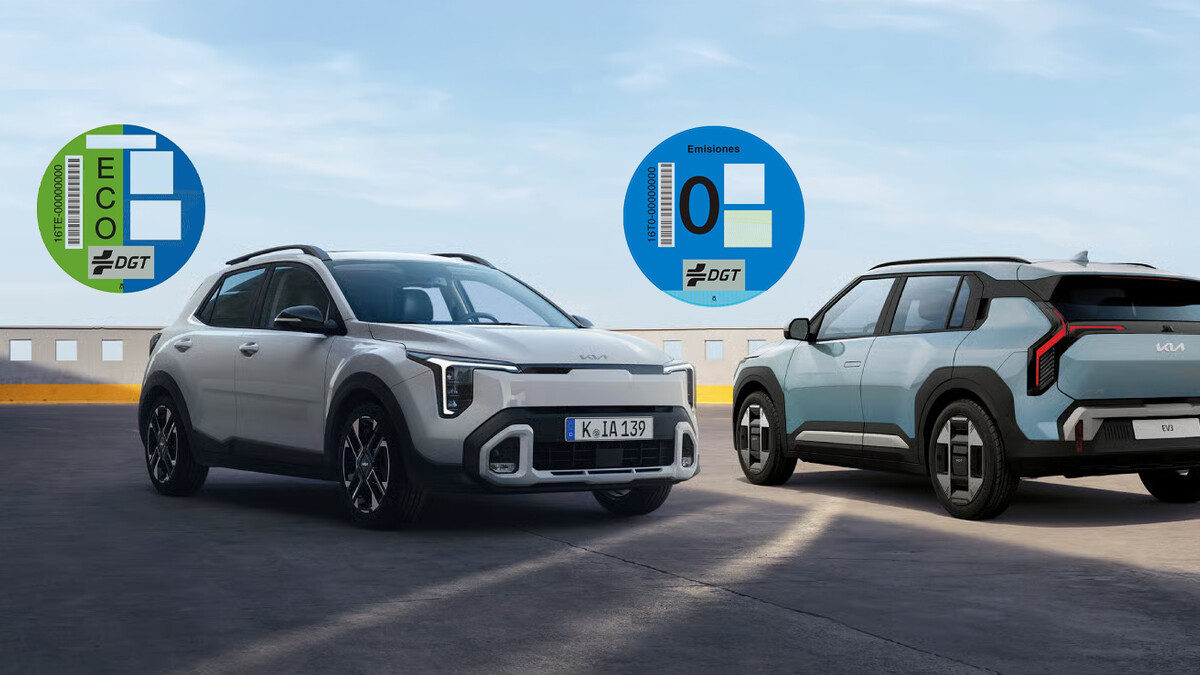
This classification is not just a bureaucratic detail; it directly impacts where and when you can drive. For drivers who regularly commute into low-emission zones, the label can be the difference between smooth sailing and costly fines or detours.
Why Drivers Are Hesitant to Replace Their Cars
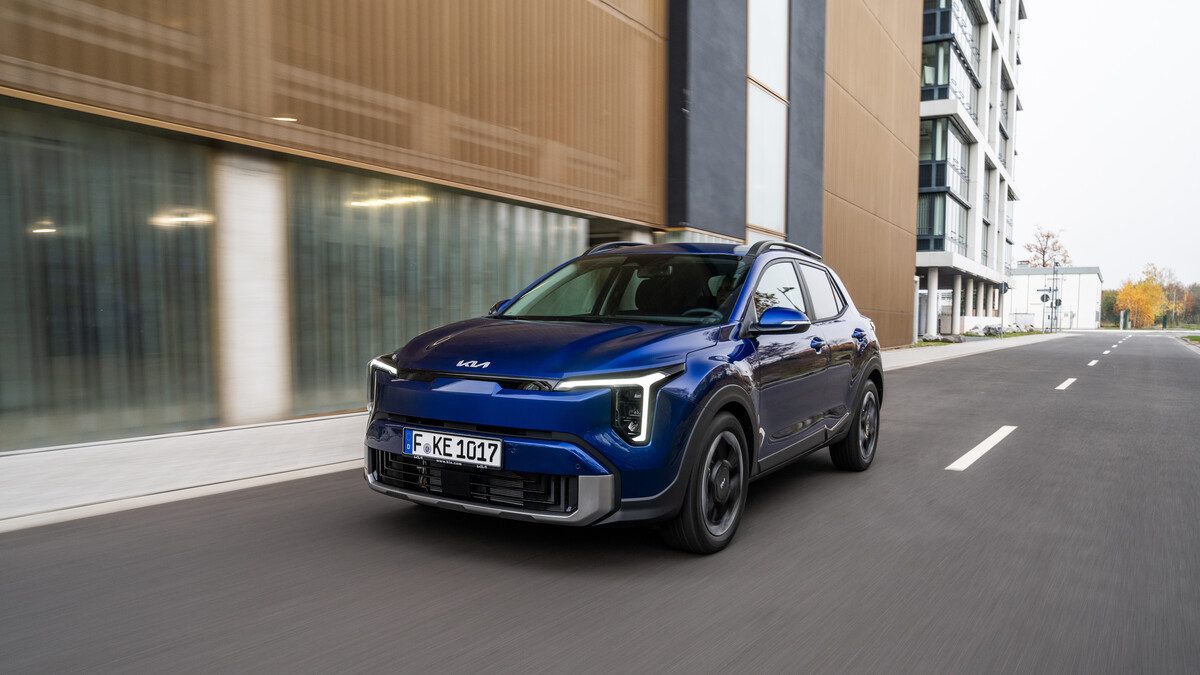
Many drivers are reluctant to buy a new car because they fear that tomorrow's regulations might render today's choice obsolete. The rapid evolution of ZBE rules across Spanish cities creates uncertainty. Even a car that meets current requirements could face tighter restrictions in a few years.
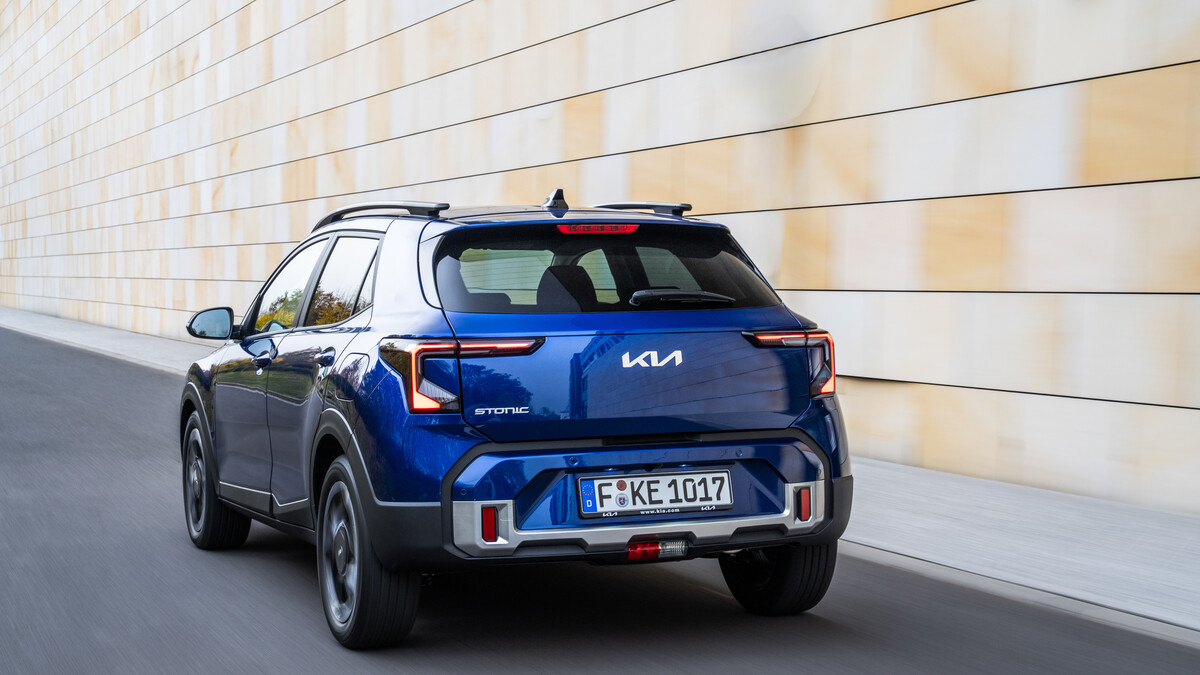
Additionally, the upfront cost of a new or newer used car is significant. Drivers must weigh that expense against the potential inconvenience of being barred from certain areas with their current vehicle. For those who don't drive in restricted zones often, keeping the old car may still make financial sense.
How Low-Emission Zones Are Changing Car Buying
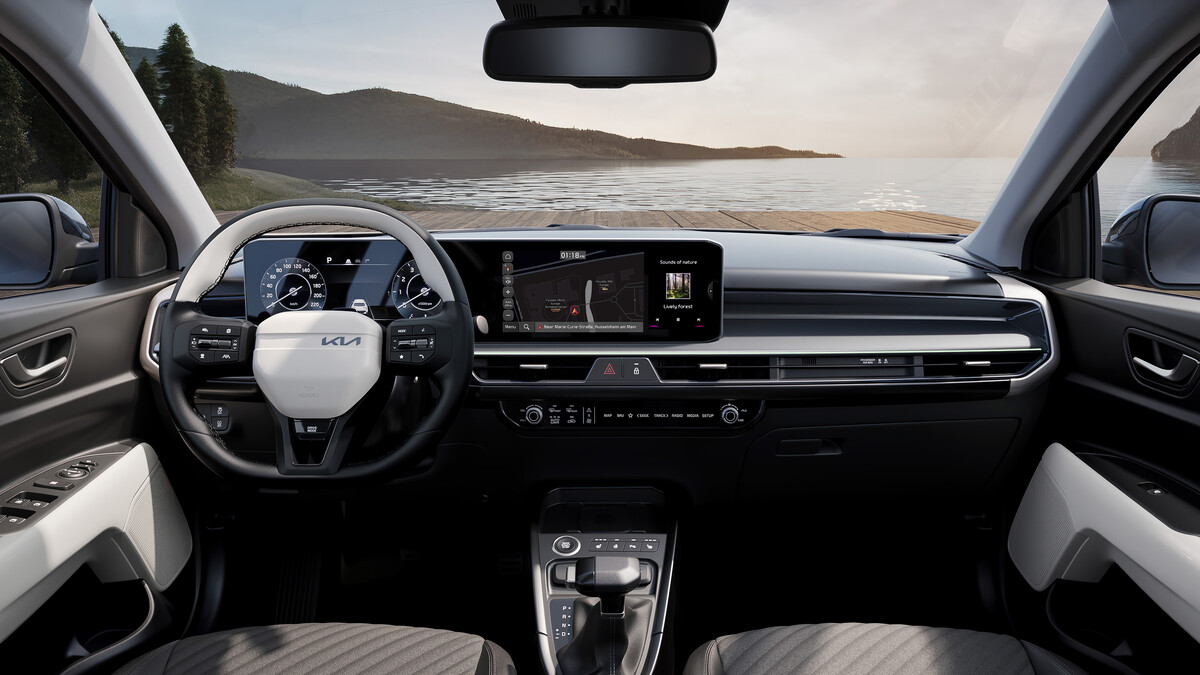
Low-Emission Zones are spreading across Spain, with cities like Madrid, Barcelona, and Valencia leading the way. These zones restrict access for vehicles based on their environmental label, typically banning those without a label or with older, more polluting classifications.
As a result, car buyers are now asking a new question: "What label does this car have?" Before, they compared price, consumption, and equipment. Now, the label and technology (electric, hybrid, combustion) must align with the buyer's daily routes and the regulations in their area.
Key Factors to Consider When Choosing a Car
- Environmental label: Check if the car has a B, C, ECO, or Zero label and what access it grants.
- Driving patterns: Assess how often you enter low-emission zones and whether restrictions apply.
- Future regulations: Consider how ZBE rules may tighten in the coming years.
- Total cost of ownership: Factor in potential fines, parking fees, and resale value tied to the label.
- Technology: Decide between combustion, hybrid, or electric based on your needs and charging infrastructure.
Comparing DGT Labels and Their Restrictions
The table below summarizes the four DGT environmental labels and their typical access to low-emission zones. Note that specific rules vary by municipality. The longer history behind the story is traced in Why Drivers Keep Old Cars: DGT Environmental Labels Explained.
| Label | Vehicle Type | Typical ZBE Access | Parking Benefits |
|---|---|---|---|
| B | Gasoline Euro 3 (2001-2005) or diesel Euro 4/5 (2006-2015) | Restricted in many zones | Limited |
| C | Gasoline Euro 4/5/6 (2006+) or diesel Euro 6 (2015+) | Generally allowed | Some benefits |
| ECO | Hybrids, plug-in hybrids, and some gas vehicles | Allowed with advantages | Discounted parking |
| Zero | Electric (BEV) and extended-range electric | Full access | Free parking and toll discounts |
This table illustrates why the label matters: a car with a B label may be perfectly functional but could be barred from city centers. Buyers must match the label to their actual driving needs. The background to this story is set out in London's Low Emission Zone Success: Why Cities Hesitate on Clean Air. A related thread runs through Climate Change Rhyme: Rising Temperatures & Emission Urgency. Earlier coverage in Climate Change Rhyme: Rising Temperatures and Emission Cuts shows how the argument developed.
What This Means for Your Next Car Purchase
If you frequently drive in areas subject to traffic restrictions, the environmental label should be a primary consideration. A car that still fulfills its purpose may no longer fit your needs if access rules change. Therefore, when choosing a new vehicle, compare not only price, consumption, and equipment but also the label and technology. A closer look at the same subject appears in Car Share Schemes: Cut Costs and Emissions in Australia. Anyone following the wider picture can start with New Tool Reveals Fossil Fuel Emissions Damage Estimates. The same theme surfaces in Trending: latest articles, which takes a different angle.
For those who rarely enter low-emission zones, an older car with a B or C label might suffice. However, it's wise to anticipate future restrictions. Cities are continually updating their ZBE plans, and what is allowed today may be restricted tomorrow. Context on how this played out before sits in Australian Chicken Labels Explained: Free-Range, Organic,. A companion piece, Electro Depot Marks 10 Years in Spain With Low Prices and Giveaway, approaches the same subject from another angle.
FAQ
What are DGT environmental labels?
DGT environmental labels are classifications based on a vehicle's emissions and technology. They determine access to low-emission zones and other benefits. The labels are B, C, ECO, and Zero, with Zero being the most environmentally friendly.
Can I drive my old car in low-emission zones?
It depends on the label and the specific zone's rules. Cars without a label or with a B label may face restrictions in many city centers. Check your local regulations to avoid fines.
Should I buy a new car because of DGT rules?
Not necessarily. If you don't drive in restricted areas often, keeping your old car may be fine. But if you regularly enter low-emission zones, a car with a better label (C, ECO, or Zero) is advisable.
How can I find out my car's environmental label?
You can check your car's label on the DGT website or at a physical DGT office. You'll need your vehicle registration document. The label is also often displayed on a sticker on the windshield.
Ultimately, the decision to change cars now involves a careful assessment of your driving habits and the regulatory landscape. By understanding DGT environmental labels and low-emission zones, you can make a choice that balances cost, convenience, and compliance.
Browse the Shop
 Acacia frida deluxe solid wood bed frame |
Bedroom bench |
Bed chest drawers |
Lingerie dresser |
Frame base |
Mirror with jewelry storage |
30 Bathroom Vanity |
Memory foam queen mattress |
Mattresses for back pain |
Nightstand set of 2 |
Grand Goldman Shop |
Civil Lawyer
Deutschland Trikot WM 2026
Acacia frida deluxe solid wood bed frame |
Bedroom bench |
Bed chest drawers |
Lingerie dresser |
Frame base |
Mirror with jewelry storage |
30 Bathroom Vanity |
Memory foam queen mattress |
Mattresses for back pain |
Nightstand set of 2 |
Grand Goldman Shop |
Civil Lawyer
Deutschland Trikot WM 2026










