

Artificial intelligence at work is creating a surprising paradox: 30% of employees who use AI daily feel less productive, according to ADP Research's 'People at Work 2026' report. The study surveyed 39,000 workers across 36 countries, and the findings challenge the assumption that automation automatically boosts output.
In Spain, 41% of small and medium enterprises already use some AI tool in daily processes, per an Ionos study. Yet employees report feeling less effective, not more. This gap between adoption and perceived productivity is the new frontier for workplace leaders.
Find Original Home Decor sparking conversation at Grand Goldman Shop.

Why AI Users Feel Less Productive
The ADP report found that frequent AI users are four times more likely to feel they underperform. This isn't necessarily because they are less productive—in fields like software engineering, AI has been shown to increase output. Instead, the feeling stems from a shift in how work gets done.
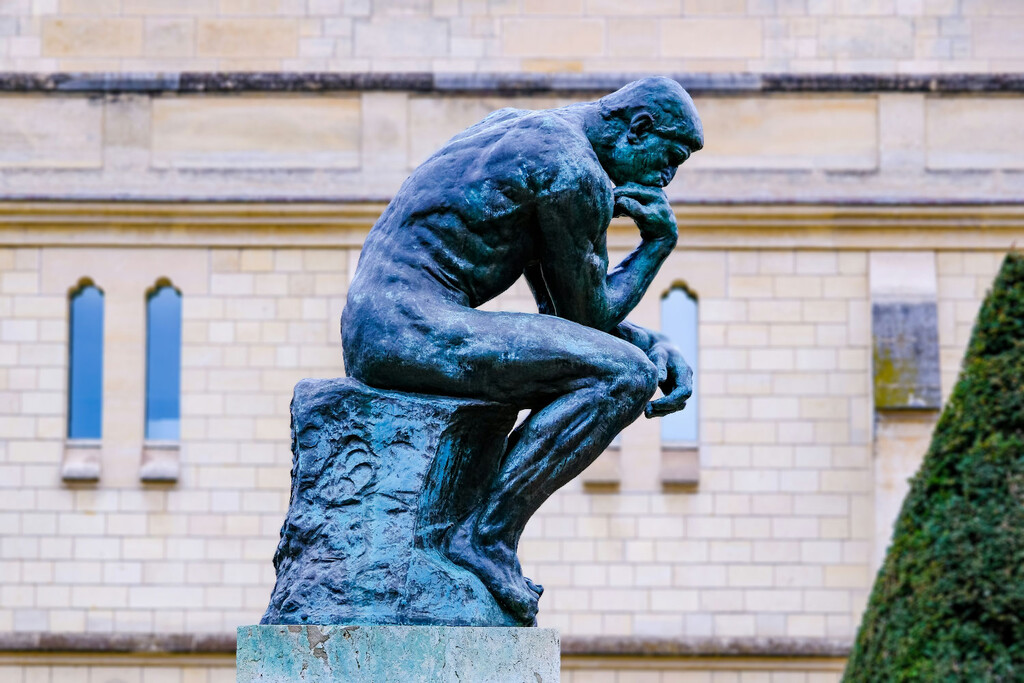
When AI handles routine tasks, employees may struggle to see their own contribution. The sense of accomplishment diminishes even as overall output rises. This productivity illusion can erode motivation and engagement.
The Engagement Paradox
Among daily AI users, 30% say they feel highly engaged with their work. That's a positive sign. But the same group also reports feeling less productive than before. High engagement and low perceived productivity can coexist, creating a confusing emotional landscape for workers.
Engagement without a sense of efficacy is unsustainable. Companies need to address both the tool and the human experience.
The Fear of Replacement Persists
In Spain, 15% of workers use AI every day, and 11% believe the technology will eventually replace them. This fear is not unfounded—automation is reshaping roles across industries. But the anxiety itself can sap productivity and innovation.
Only 14% of Spanish participants feel their company supports them in adapting to AI. That's a gap leaders must close. Without support, employees may resist adoption or disengage entirely.
What the Data Shows
The ADP study highlights a clear disconnect between AI implementation and employee perception. The table below summarizes key findings from the report.
| Metric | Percentage | Implication |
|---|---|---|
| Daily AI users who feel highly engaged | 30% | Engagement is possible with AI |
| Daily AI users who feel less productive | 30% | Perception gap exists |
| Spanish SMEs using AI daily | 41% | Adoption is widespread |
| Spanish workers using AI daily | 15% | Individual use lags behind SMEs |
| Spanish workers fearing replacement | 11% | Job security concerns persist |
Key Takeaways for Employers
- Perception matters: Even if output increases, employees may feel less productive. Address the emotional impact.
- Support is lacking: Only 14% of Spanish workers feel supported in AI adaptation. Training and reassurance are needed.
- Engagement can coexist with doubt: High engagement doesn't eliminate fears of replacement.
- Measure what matters: Traditional productivity metrics may miss the nuanced effects of AI on morale.
- Communication is key: Explain how AI augments roles rather than replaces them.
How to Bridge the Perception Gap
Leaders should focus on transparency and reskilling. When employees understand how AI complements their work, they're more likely to feel valued. Regular check-ins and recognition of human contributions can counter the feeling of uselessness.
Additionally, companies should invest in training programs that build AI fluency. The Ionos study shows SMEs are adopting AI rapidly, but without parallel investment in people, the productivity gains may be offset by disengagement. The background to this story is set out in AI Workplace Surveillance: How Employers Monitor Employees. A related thread runs through Remote Work Becomes a Red Line: 35% of Employees Would Quit. Earlier coverage in UK Flexible Working Rights: Bosses Must Meet Employees Face to Face shows how the argument developed.
The Role of Corporate Culture
A culture that celebrates learning and experimentation can turn AI anxiety into opportunity. Encourage employees to share their experiences with AI tools and discuss challenges openly. This fosters a sense of control and reduces fear. A closer look at the same subject appears in Fair Work Rulings on Work From Home for Employees Over 55. Anyone following the wider picture can start with How to Use AI in the Workplace Without Dumbing Down Teams. The same theme surfaces in Peter Singer on Capitalism: Most Productive Economic System, which takes a different angle.
Finally, redefine productivity metrics to include both output and well-being. If employees feel less productive despite higher output, the organization may be sacrificing long-term health for short-term gains. Context on how this played out before sits in Microbreaks at Work: Science Reveals Real Productivity Impact. A companion piece, China's 996 Work Culture Ends as DJI Sends Employees Home, approaches the same subject from another angle.
FAQ
Why do employees using AI feel less productive?Employees may feel less productive because AI handles tasks they once did, reducing their sense of personal accomplishment. The ADP study suggests this perception gap is common even when actual output increases.
What percentage of Spanish workers use AI daily?According to ADP Research, 15% of Spanish workers use AI every day. Additionally, 11% fear that AI will eventually replace them in their jobs.
How can companies address the productivity illusion?Companies can provide training, communicate how AI augments roles, and recognize human contributions. Only 14% of Spanish workers feel supported in AI adaptation, so there's room for improvement.
Is AI actually reducing productivity?Not necessarily. The ADP report notes that in some fields, like software engineering, AI has been shown to increase output. The issue is perceived productivity, which affects morale and engagement.
Browse the Shop
 Acacia frida deluxe solid wood bed frame |
Bedroom bench |
Bed chest drawers |
Lingerie dresser |
Frame base |
Mirror with jewelry storage |
30 Bathroom Vanity |
Memory foam queen mattress |
Mattresses for back pain |
Nightstand set of 2 |
Grand Goldman Shop |
Civil Lawyer
Deutschland Trikot WM 2026







