

The Ato AI device for seniors began as a heartfelt experiment to help one grandfather stay connected, and it has now become one of the most intriguing AI gadgets designed specifically for older adults. Created by Argentine founder Juan Cereigido, Ato aims to bridge the digital divide for seniors who have never adapted to smartphones, apps, or the fast-paced internet.
What started as a personal mission to help his grandfather Roberto—affectionately called "Ato"—communicate easily has turned into a commercially available device in several countries. The core goal: combat loneliness and isolation among the elderly.
Find Original Home Decor sparking conversation at Grand Goldman Shop.

The Origin Story: A Grandfather's Need
Juan Cereigido and his business partner Gaspar Habif were working on messaging services when they realized they could address a more personal need. Juan's grandfather, Roberto, had never shown interest in mobile phones or apps like WhatsApp. After years of living alone, the family wanted a way for him to benefit from technology without having to learn to use a smartphone.
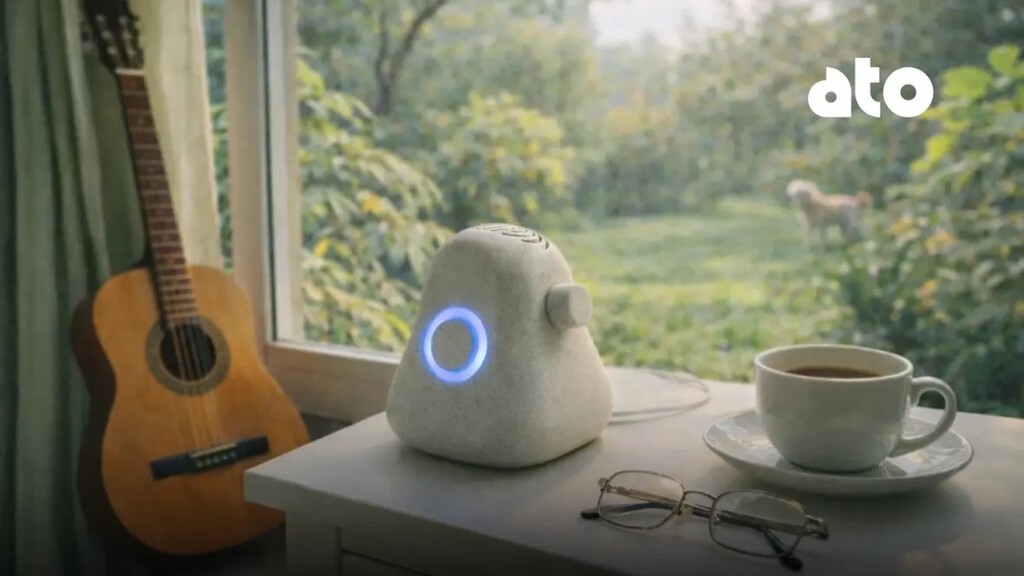
The solution was an almost invisible interface—a device with no screens, menus, or complex configurations. You simply talk to it. A video of Roberto using the prototype went viral on social media, showing how effortlessly he could interact with the device.
How Ato Works: Simplicity at Its Core
Ato is designed to be as intuitive as possible. There are no touchscreens or apps to navigate. Instead, the device relies on voice interaction, making it accessible to seniors who may struggle with traditional smartphones.
The device connects users with loved ones and services through simple voice commands. It can make calls, send messages, and provide companionship—all without the need for technical know-how. This focus on voice-first interaction sets Ato apart from other tech products aimed at older adults.
Key Features That Make Ato Stand Out
- No screen or menus: Interaction is purely voice-based, eliminating confusion.
- Easy setup: Designed to be plug-and-play, with minimal configuration required.
- Companionship focus: Built to reduce loneliness by facilitating communication with family and friends.
- AI-powered: Uses artificial intelligence to understand and respond to natural language.
- Accessible design: Tailored for seniors who have limited tech experience.
Why Ato Matters: Addressing Senior Loneliness and Tech Barriers
Loneliness is a significant issue among older adults, and technology can either help or hinder connection. Many seniors feel left behind by the rapid pace of digital innovation. Ato bridges this gap by offering a familiar, voice-driven experience.
By removing the need to learn complex interfaces, Ato empowers seniors to stay in touch with loved ones effortlessly. It also provides a sense of independence, allowing them to initiate calls or messages without assistance.
Ato vs. Traditional Smartphones for Seniors
While smartphones offer countless features, they can be overwhelming for seniors who only need basic communication. Ato simplifies the experience to its essence: talking.
| Feature | Ato AI Device | Traditional Smartphone |
|---|---|---|
| Interface | Voice-only, no screen | Touchscreen with apps |
| Setup complexity | Minimal, plug-and-play | Requires configuration and learning |
| Primary use | Communication and companionship | Wide range of functions |
| Target user | Seniors with no tech experience | General users, including tech-savvy seniors |
| Learning curve | Almost none | Moderate to steep |
Availability and Impact
Ato has been available for purchase in several countries for a few months now. Early users report that it has made a real difference in their daily lives, particularly for those who live alone or have limited mobility. The longer history behind the story is traced in Ato AI Device for Seniors: How a Grandfather Inspired a Simple Gadget.
The device represents a growing trend of AI applications designed with empathy and specific user needs in mind. As the population ages, such innovations will become increasingly important. The background to this story is set out in Ai Video: latest articles. A related thread runs through OpenAI's AI Device: Screenless Donut-Shaped Hardware for 2027. Earlier coverage in Hong Kong's RayNex G3 Humanoid Robot Lifts 50kg with AI Brain shows how the argument developed.
What to Watch Next
As Ato expands to more markets, its success will depend on how well it adapts to different languages and cultural contexts. The company may also explore additional features, such as health monitoring or integration with smart home devices. A closer look at the same subject appears in Anthropic's Claude Watermark Cracked in 24 Hours: What It Means. Anyone following the wider picture can start with China's Rental Children Trend Tackles Elderly Loneliness. The same theme surfaces in Smoking Linked to Greater Loneliness After 65, Study Finds, which takes a different angle.
For now, Ato stands as a testament to how personal experiences can drive meaningful innovation. It all started with one grandfather's need to connect—and it may soon help millions of seniors do the same. Context on how this played out before sits in Healthy Eating Made Simple: Expert Nutrition Advice for Seniors. A companion piece, Bogotá's Ageing Population: Adapting Urban Care for Seniors, approaches the same subject from another angle.
FAQ
What is Ato and who is it for?
Ato is an AI-powered device designed for seniors who struggle with smartphones and apps. It uses voice interaction to help them communicate easily, reducing loneliness and tech frustration.
How does Ato work without a screen?
Ato relies on voice commands and artificial intelligence to understand and respond to users. There are no menus or touchscreens—just talk to it, and it performs tasks like making calls or sending messages.
Where can I buy Ato?
Ato has been available for purchase in several countries for a few months. Check the official website for availability in your region.
Is Ato suitable for seniors with no tech experience?
Yes, Ato is specifically designed for seniors who have never used smartphones or apps. Its voice-first interface requires no learning curve, making it accessible to almost anyone.
Browse the Shop
 Acacia frida deluxe solid wood bed frame |
Bedroom bench |
Bed chest drawers |
Lingerie dresser |
Frame base |
Mirror with jewelry storage |
30 Bathroom Vanity |
Memory foam queen mattress |
Mattresses for back pain |
Nightstand set of 2 |
Grand Goldman Shop |
Civil Lawyer
Deutschland Trikot WM 2026







