

Teachers are fighting AI cheating by redesigning homework and exams, as students increasingly use generative AI tools like ChatGPT and Gemini to complete assignments. This solitary battle is forcing educators to rethink assessment and find new ways to ensure learning.
The widespread use of AI among students
In many schools, generative AI has become a daily tool for students. They use it to do homework, summaries, and projects, just as they once used Wikipedia or search engines. The difference is that now AI doesn't just find information—it writes it.
Find Original Home Decor sparking conversation at Grand Goldman Shop.

Lucía, a vocational health student who prefers anonymity, admits she uses AI for many assignments. "There are tasks that help me learn, so I do them myself. But others seem unnecessary… I tell the AI: do this work for me, I copy, paste, and submit it," she says.
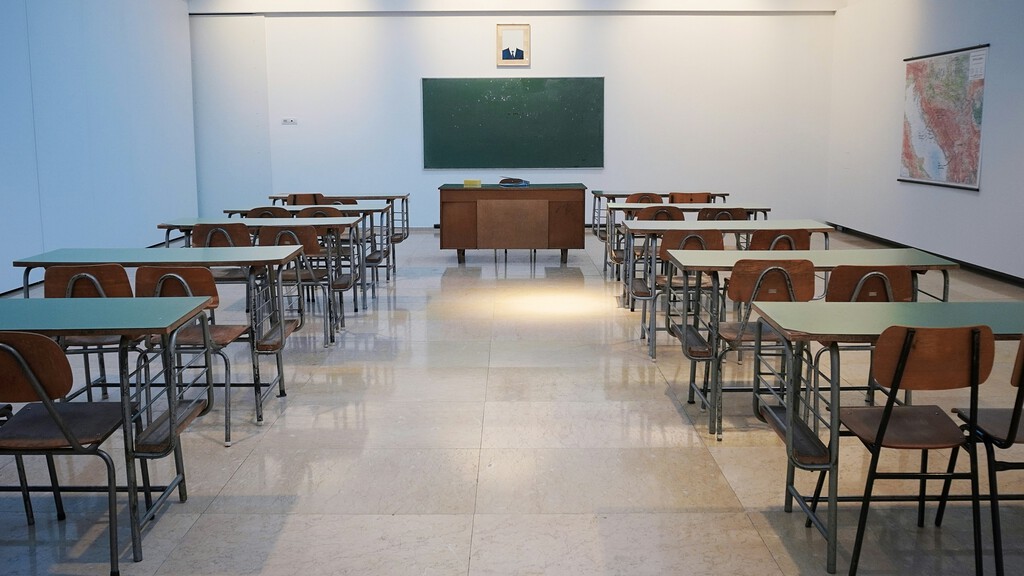
This is not an isolated case. Nerea Eguiguren, a philosophy and history teacher in Madrid, confirms that AI use is widespread but often superficial. "They don't even open ChatGPT. They put the question in Google and the first answer is from Gemini. They copy it and hand in whatever," she explains.
Why teachers are struggling to keep up
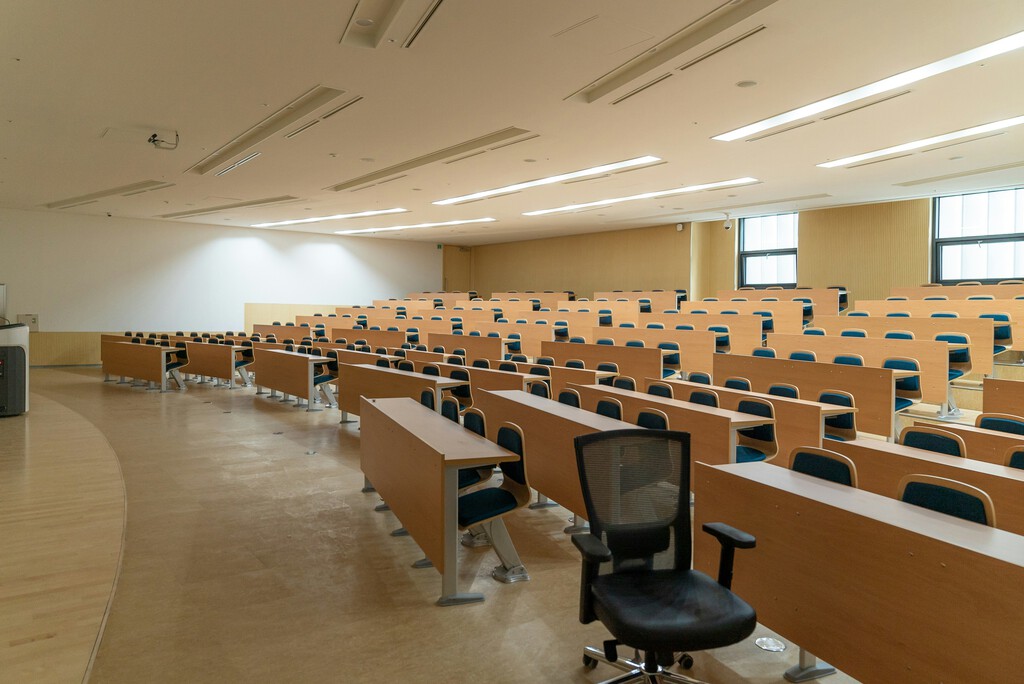
At the university level, the phenomenon is also widespread. Silvia Eva Agosto Riera, an associate professor at the Complutense University of Madrid, notes that AI use is generalized. However, many educators lack the training and resources to effectively address it.

Teachers face a dual challenge: detecting AI-generated work and designing assessments that promote genuine learning. Traditional homework and exams are easily gamed by AI, which can produce coherent essays and solve problems. This leaves educators in a solitary fight to adapt.
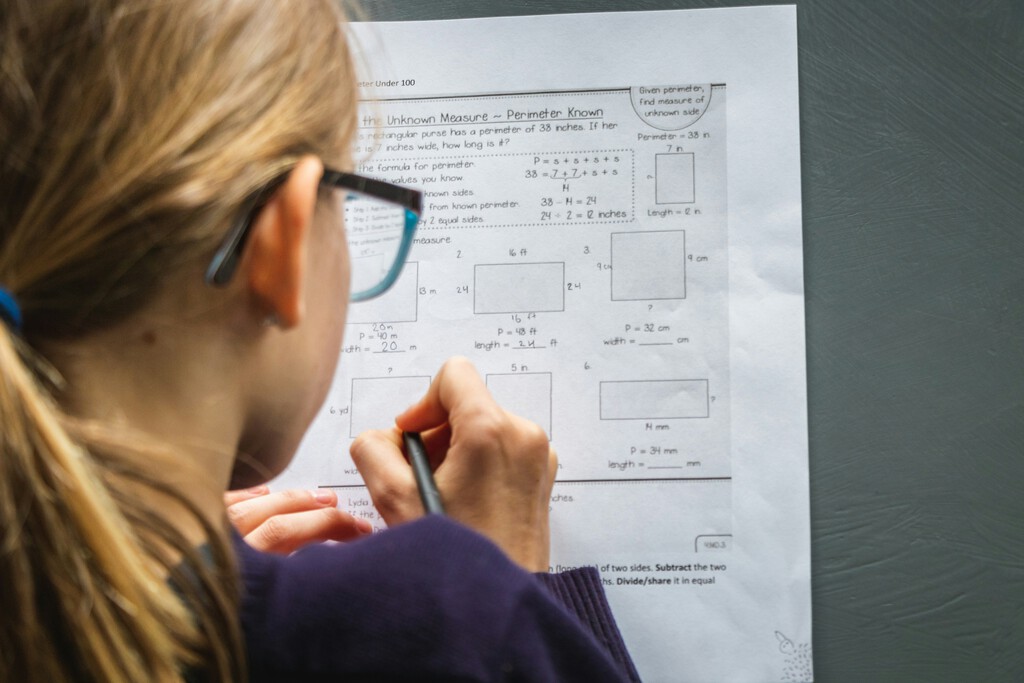
Some teachers are turning to in-class writing, oral exams, and project-based assessments that require critical thinking and personal input. But these methods are time-consuming and not always feasible in large classes.
How teachers are redesigning assessments
To counter AI misuse, educators are experimenting with new assessment formats. They aim to make learning visible and reduce opportunities for cheating. Here are some strategies they are using:
- In-class handwritten assignments to ensure work is done without AI assistance.
- Oral presentations and defenses where students explain their reasoning.
- Personalized projects that connect to students' lives and require original thought.
- Process-based grading that values drafts, revisions, and reflection.
- AI literacy lessons teaching students how to use AI ethically and critically.
These approaches not only reduce cheating but also foster deeper learning. However, they require more effort from teachers, who often lack institutional support.
The impact on students and learning
The reliance on AI raises concerns about students' skills development. If students outsource writing and problem-solving to AI, they may miss opportunities to develop critical thinking and communication skills.
Moreover, the superficial use of AI—copying answers without understanding—can lead to gaps in knowledge. Teachers like Eguiguren worry that students are not engaging with the material deeply.
On the other hand, some educators see potential in AI as a learning tool when used responsibly. The key is to guide students in using AI for brainstorming, feedback, and exploration rather than replacement.
What to watch next in AI and education
The battle over AI in education is just beginning. Schools and universities are developing policies, but enforcement is difficult. Teachers need more training and support to integrate AI literacy into their curricula. The background to this story is set out in AI Boosts Homework Grades 18% But Exam Scores Drop, Study Finds. A related thread runs through AI in Education: Why Students Shouldn't Be Penalized for Using AI. Earlier coverage in Asturian Teachers: 300+ Await a Non-Existent Exam shows how the argument developed.
Assessment redesign will continue as educators seek ways to ensure academic integrity. The challenge is to balance innovation with fairness and to prepare students for a world where AI is ubiquitous. A closer look at the same subject appears in Norway Bans Generative AI in Schools to Protect Early Education. Anyone following the wider picture can start with Denmark Fights AI Cheating with Oral Essay Defenses. The same theme surfaces in Mexico University Resit Exam: 58,000 Students Face Cheating, which takes a different angle.
As the debate evolves, the focus should remain on learning. Teachers' solitary fight highlights the need for collective action and institutional backing to harness AI's benefits while mitigating its risks. Context on how this played out before sits in AI Cheating and Exam Protests: Global Crisis in Education. A companion piece, Stop Ofsted Inspections Harming Teachers: A Call for Reform, approaches the same subject from another angle.
FAQ
How are teachers detecting AI-generated work?
Teachers are using a combination of software tools and their professional judgment. They look for inconsistencies in style, lack of personal voice, and content that doesn't match class discussions. However, detection is not foolproof, so many are shifting to assessment designs that make cheating harder.
What can schools do to prevent AI cheating?
Schools can update academic integrity policies, provide teacher training on AI, and promote AI literacy among students. They can also invest in alternative assessment methods like oral exams and in-class writing. A culture of honesty and clear consequences are essential.
Is AI in education all bad?
No, AI can be a valuable tool when used responsibly. It can personalize learning, provide instant feedback, and help students explore complex topics. The key is to teach ethical use and design assessments that require critical thinking.
How can parents support teachers in this fight?
Parents can encourage their children to use AI as a study aid rather than a shortcut. They can also stay informed about school policies and support teachers' efforts to maintain academic integrity. Open communication about the value of learning is crucial.
Browse the Shop
 Acacia frida deluxe solid wood bed frame |
Bedroom bench |
Bed chest drawers |
Lingerie dresser |
Frame base |
Mirror with jewelry storage |
30 Bathroom Vanity |
Memory foam queen mattress |
Mattresses for back pain |
Nightstand set of 2 |
Grand Goldman Shop |
Civil Lawyer
Deutschland Trikot WM 2026







