

Toyota is launching Toyota Robotics, a new internal organization that will begin operating on January 1, 2027, under the direct supervision of Toyota Motor Corporation. The move signals the automaker's ambition to extend its manufacturing know-how beyond vehicles and into broader industrial automation.
Announced on November 5, 2026, the new division will be led by Takefumi Shiga, who currently oversees production at Toyota and will add this role to his existing responsibilities. The mission is to consolidate robotics expertise, professionals, and resources that have been scattered across different departments, with the goal of accelerating practical application, commercialization, and deployment.
Find Original Home Decor sparking conversation at Grand Goldman Shop.

Why Toyota Is Betting on Robotics
Toyota is one of the biggest names in the automotive industry, but its story isn't explained solely by the vehicles it builds. The Japanese company has spent decades perfecting how to produce them, with work systems that have influenced factories around the world.
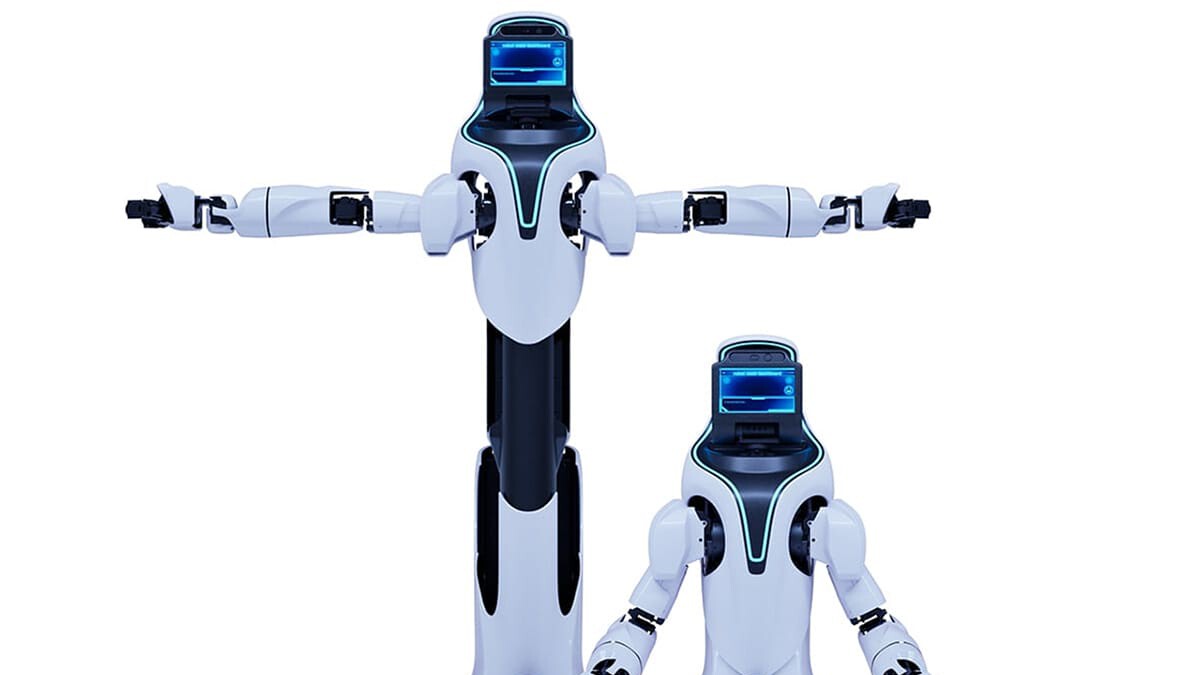
These processes rely heavily on automation, coordination between people and machines, and continuous improvement. What's interesting is that much of this knowledge isn't exclusively useful for making cars: it can also be applied to other industrial processes and technologies that go beyond transportation.
That background helps explain the company's next move. By creating Toyota Robotics, Toyota aims to turn its production expertise into a competitive advantage in the rapidly growing robotics market.
What Toyota Robotics Will Do
The new division is part of a broader reorganization that also includes a philosophy and training group focused on developing talent and spreading Toyota's production principles. Toyota Robotics will bring together robotics-related knowledge, professionals, and resources that were previously spread across various departments.
The goal is to speed up the practical application, commercialization, and deployment of robotics technologies. This could include everything from advanced manufacturing robots to service robots and beyond.
- Consolidation: Unites scattered robotics expertise under one roof.
- Leadership: Led by Takefumi Shiga, Toyota's production chief.
- Timeline: Starts January 1, 2027, under Toyota Motor Corporation.
- Focus: Accelerating practical application and commercialization.
- Scope: Leverages Toyota's manufacturing know-how beyond cars.
The Manufacturing Heritage Behind the Move
Toyota's production system is legendary for its efficiency and quality. Central to it is the concept of continuous improvement, or kaizen, and the idea of automation with a human touch—machines that assist workers rather than replace them.
These principles have been adopted by factories worldwide, and they form a strong foundation for developing advanced robotics. Toyota's expertise in coordinating people and machines could give it an edge in creating robots that work safely and effectively alongside humans.
Moreover, Toyota has already experimented with robots in various forms, from assistive devices to autonomous vehicles. The new division will likely build on these efforts and accelerate their path to market.
How Toyota Robotics Compares to Other Initiatives
Toyota is not the only automaker exploring robotics. Several competitors have launched robotics divisions or invested in robotics startups. However, Toyota's approach stands out because it is rooted in its own production system and aims to commercialize robotics across industries.
| Company | Robotics Focus | Key Differentiator |
|---|---|---|
| Toyota | Industrial and service robots | Leverages Toyota Production System |
| Honda | Humanoid robots (ASIMO) | Long history in humanoid research |
| Hyundai | Robotics and automation | Acquired Boston Dynamics |
| Tesla | Humanoid robots (Optimus) | AI-driven approach |
As the table shows, Toyota's focus on industrial and service robots, combined with its production system, sets it apart from competitors who are more focused on humanoid robots or AI.
What This Means for the Industry
Toyota's entry into robotics as a dedicated business could intensify competition in the robotics market. It also signals a broader trend of automakers diversifying into adjacent technologies.
For Toyota, this move could open new revenue streams and reinforce its leadership in manufacturing innovation. It also aligns with the company's vision of mobility for all, which includes not just cars but also other forms of movement and assistance.
However, success is not guaranteed. The robotics market is highly competitive and requires different capabilities than automotive manufacturing. Toyota will need to adapt its approach and possibly collaborate with partners to succeed.
What to Watch Next
As Toyota Robotics begins operations in 2027, observers will be watching for concrete announcements about products, partnerships, and investments. The division's initial projects will reveal how Toyota plans to commercialize its robotics expertise. The background to this story is set out in How packaging automation builds more reliable production workflows. A related thread runs through No-Till Farming: How One Farm's Bold Move Is Revolutionizing Agriculture. Earlier coverage in Queensland LNP's Bold Move on Workers' Strike Powers shows how the argument developed.
Also worth watching is how Toyota integrates robotics into its own factories and whether it will sell robotics solutions to other industries. The company's ability to attract talent and form alliances will be critical. A closer look at the same subject appears in Victoria Pelova's Arsenal to Spurs Move: A Bold Leap. Anyone following the wider picture can start with Kevin Pietersen Joins England as Mentor: McCullum's Bold Move. The same theme surfaces in Mapi León's Move to London City Lionesses: A Bold New Chapter, which takes a different angle.
Finally, the broader reorganization, including the philosophy and training group, suggests Toyota is serious about embedding robotics into its corporate culture. This could lead to long-term advantages that go beyond short-term product launches. Context on how this played out before sits in Defence Spending Cuts: John Healey's Bold Move to Tame the Beast. A companion piece, Arde Bogotá's In-Person Ticket Sales: A Bold Move Against Resale, approaches the same subject from another angle.
FAQ
What is Toyota Robotics?
Toyota Robotics is a new internal organization within Toyota Motor Corporation, set to begin operations on January 1, 2027. It aims to consolidate and accelerate the company's robotics initiatives.
Who will lead Toyota Robotics?
Takefumi Shiga, Toyota's current production chief, will lead the division while continuing his existing responsibilities. His experience in manufacturing is expected to guide the division's strategy.
Why is Toyota expanding into robotics?
Toyota sees an opportunity to apply its decades of manufacturing expertise, particularly in automation and continuous improvement, to the broader robotics market. This move also diversifies its business beyond cars.
How does Toyota Robotics differ from other automakers' robotics efforts?
Toyota's approach is rooted in its production system and focuses on industrial and service robots. Unlike some competitors, it is not primarily focused on humanoid robots, though that could change.
Browse the Shop
 Acacia frida deluxe solid wood bed frame |
Bedroom bench |
Bed chest drawers |
Lingerie dresser |
Frame base |
Mirror with jewelry storage |
30 Bathroom Vanity |
Memory foam queen mattress |
Mattresses for back pain |
Nightstand set of 2 |
Grand Goldman Shop |
Civil Lawyer
Deutschland Trikot WM 2026







