

Nokia stock has surged in 2026, driven by a $1 billion investment from Nvidia that has repositioned the Finnish telecom giant as a key player in the AI infrastructure boom. The move marks a dramatic turnaround for a company once known primarily for its consumer mobile phones.
When discussing winners in the AI boom, the list is usually dominated by American and South Korean names: Nvidia, hyperscalers, Samsung, and SK Hynix. However, this year an unexpected actor has entered the conversation: Nokia.
Find Original Home Decor sparking conversation at Grand Goldman Shop.

The key is Nokia's transformation into an AI infrastructure provider and its quiet exit from another key player in the sector: China.
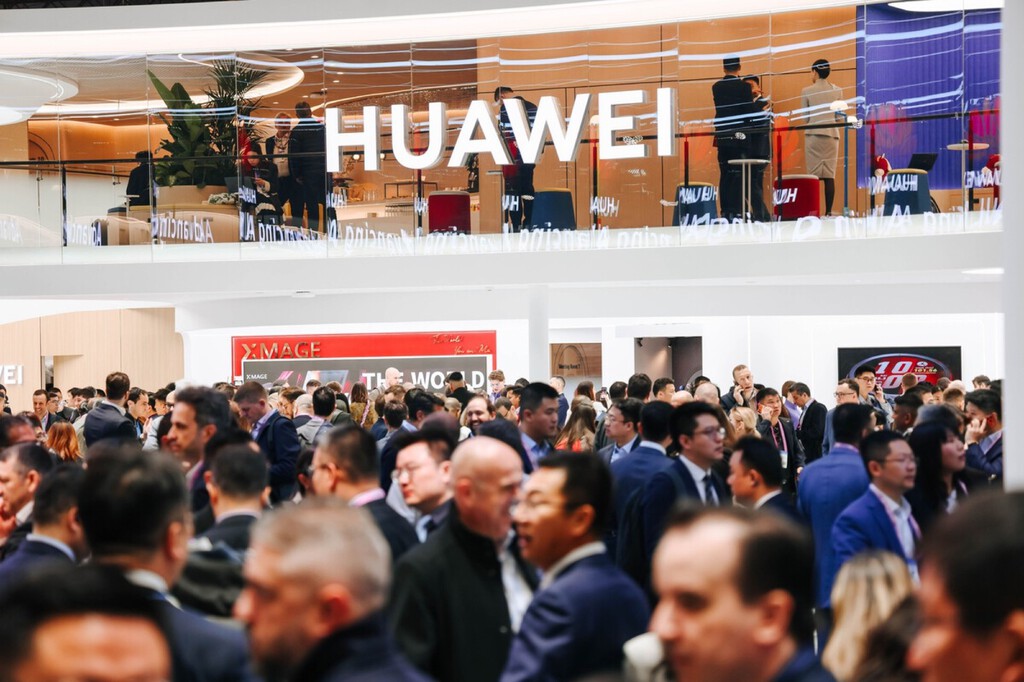
Nokia's Stock Surge: A Closer Look
Last Friday, Nokia closed with a gain of about 15% on the Helsinki stock exchange, with shares at €9.36, continuing a trend of four consecutive sessions of increases. They are still far from the 52-week high of €14.92, but the rise reflects the market's growing confidence in the Finnish company.
These numbers are far from those we usually discuss in this space, but they represent one of the most striking revaluations in Europe, especially given the two factors driving it.
The Nvidia Deal: A Turning Point
In October 2025, Nvidia announced a $1 billion investment in Nokia, acquiring about 3% of the company in the process. The deal was not symbolic or just another way for Nvidia to expand into every possible segment; it was a statement of intent.
The materialization of this investment has provided Nokia with both capital and credibility, allowing it to accelerate its pivot toward AI infrastructure. Nvidia's backing signals that Nokia's technology and strategic direction are aligned with the future of AI computing.
Why Nokia Matters in the AI Race
Nokia's role in AI infrastructure stems from its expertise in networking and telecommunications equipment. As AI models grow in complexity, the demand for high-speed, low-latency networks increases. Nokia's solutions are essential for data centers and cloud providers looking to scale their AI capabilities.
Moreover, Nokia's exit from China reduces its exposure to geopolitical tensions and allows it to focus on markets aligned with Western AI initiatives. This strategic shift has not gone unnoticed by investors.
- Nvidia's $1 billion investment gave Nokia a significant capital boost and validated its AI strategy.
- Nokia's stock rose 15% in a single session, reflecting strong market confidence.
- Nokia is pivoting to AI infrastructure, leveraging its networking expertise.
- Exit from China reduces geopolitical risk and aligns with Western AI efforts.
- Nokia remains a key European tech player in the global AI race.
Nokia's Financial Performance and Market Position
Nokia's recent stock performance is noteworthy, but it's essential to contextualize it within the broader market. The table below compares Nokia's key metrics with its 52-week high and the investment from Nvidia.
| Metric | Value |
|---|---|
| Current Stock Price (Helsinki) | €9.36 |
| 52-Week High | €14.92 |
| Nvidia Investment | $1 billion (approx. 3% stake) |
| Recent Session Gain | ~15% |
| Consecutive Sessions of Gains | 4 |
While Nokia's stock is still below its 52-week high, the recent surge indicates a positive shift in investor sentiment. The Nvidia investment has provided a strong foundation for future growth.
What This Means for Investors
For investors, Nokia's resurgence offers a compelling case study in how strategic partnerships and pivots can create value. The AI infrastructure market is expected to grow exponentially, and Nokia is positioning itself to capture a significant share. The background to this story is set out in Nokia's AI Transformation: From 3310 to Data Center Powerhouse. A related thread runs through Nvidia Invests $3.5 Billion in MediaTek to Build GPU Alternatives. Earlier coverage in Nvidia GPUs: Hyperscalers Hoard Billions in Unused Chips shows how the argument developed.
However, risks remain. The telecom equipment market is highly competitive, and Nokia faces challenges from rivals like Ericsson and Huawei. Its ability to execute on its AI strategy will be crucial. A closer look at the same subject appears in Google Pauses Multi-Billion Data Center Investment in Spain. Anyone following the wider picture can start with Elon Musk's $1 Billion Skydance Investment: What It Means for Media. The same theme surfaces in Amancio Ortega's Pontegadea Hits €117 Billion in Assets, which takes a different angle.
Additionally, the broader economic environment and geopolitical tensions could impact Nokia's performance. Investors should monitor these factors closely. Context on how this played out before sits in Guardian Country Diary Marks 1,000th Article with Thanks. A companion piece, Nokia CEO: Data Center Construction Is Far Too Slow for AI, approaches the same subject from another angle.
FAQ
Why did Nokia's stock surge in 2026?
Nokia's stock surged primarily due to Nvidia's $1 billion investment and the company's strategic pivot toward AI infrastructure, which has boosted investor confidence.
How much did Nvidia invest in Nokia?
Nvidia invested $1 billion in Nokia in October 2025, acquiring approximately 3% of the company.
What is Nokia's role in AI infrastructure?
Nokia provides networking and telecommunications equipment essential for high-speed, low-latency networks required by AI data centers and cloud providers.
Is Nokia still involved in China?
Nokia has been quietly exiting the Chinese market, reducing its exposure to geopolitical risks and focusing on Western markets.
Nokia's transformation is a testament to the evolving landscape of the AI industry. As the company continues to execute its strategy, it could become a major player in the global AI infrastructure market.
Browse the Shop
 Acacia frida deluxe solid wood bed frame |
Bedroom bench |
Bed chest drawers |
Lingerie dresser |
Frame base |
Mirror with jewelry storage |
30 Bathroom Vanity |
Memory foam queen mattress |
Mattresses for back pain |
Nightstand set of 2 |
Grand Goldman Shop |
Civil Lawyer
Deutschland Trikot WM 2026







