

Il governo degli Stati Uniti sta preparando un importante cambiamento nella politica energetica quest'estate che potrebbe ridurre i costi della benzina per i guidatori in tutto il paese. I funzionari stanno valutando la possibilità di rinviare temporaneamente le norme ambientali di lunga data sulla «benzina estiva» per attenuare l'aumento dei costi energetici legati a interruzioni dell'offerta globale, secondo diverse fonti.
Questo potenziale cambiamento normativo ha suscitato dibattiti tra gruppi di settore, ambientalisti e leader politici, con implicazioni per l'approvvigionamento di carburante, la qualità ambientale e i prezzi al consumo. Ecco una spiegazione chiara e completa di cosa significa, perché sta accadendo e come gli americani potrebbero sentire l'impatto in questa stagione di guida.
Find Bleeding Edge Supplements at Scandalous Prices on iHerb.

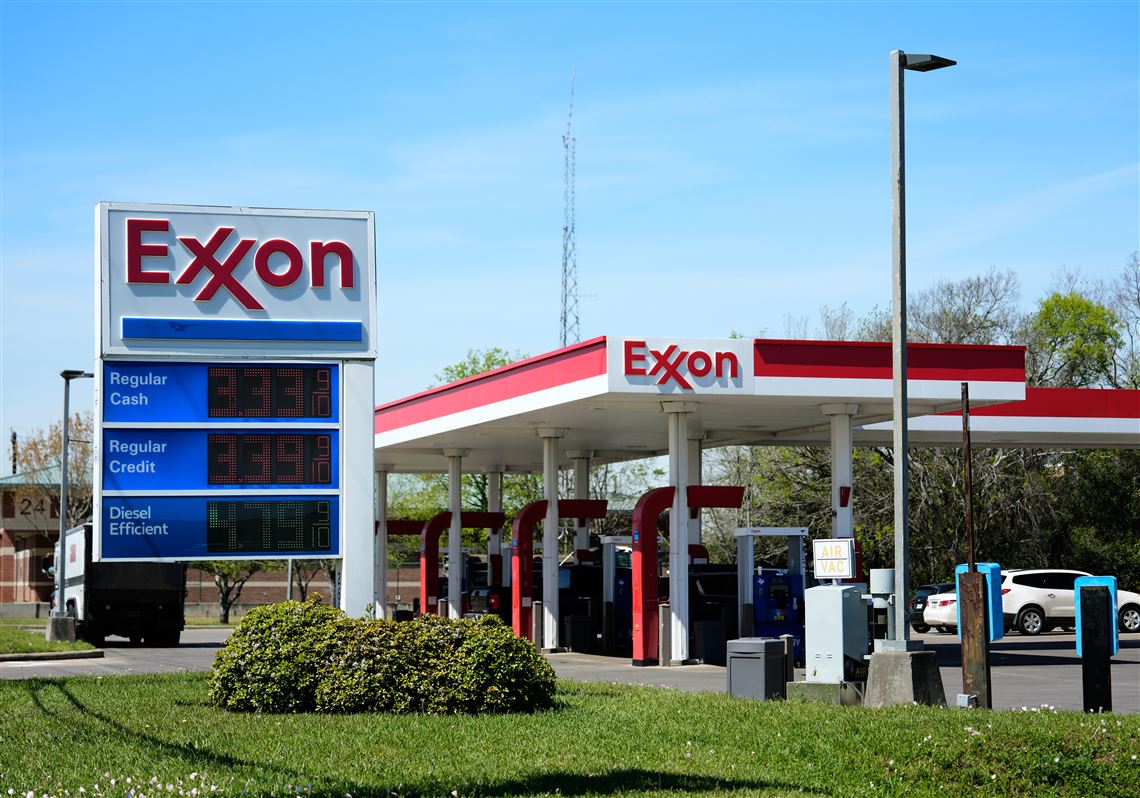
Cosa è in esame: rinuncia alle norme sulla benzina estiva
Secondo la legge federale attuale, i raffinatori e i rivenditori devono vendere benzina formulata specificamente per la stagione estiva — nota come benzina estiva — che rispetta standard di evaporazione più severi per ridurre lo smog e la formazione di ozono nelle giornate calde.
L'amministrazione Trump è ora prevista sospendere temporaneamente queste normative sulla benzina estiva per i prossimi mesi di guida di picco. Questo permetterebbe ai fornitori di carburante di:
-
Continua a vendere benzina E15 (benzina miscelata con fino al 15% di etanolo) per tutta l'estate.
-
Evita gli aggiustamenti costosi per la produzione di miscele estive, abbassando il costo al gallone del carburante.
Questo passaggio è volto a ridurre i prezzi del carburante in contesto di instabilità del mercato petrolifero globale, in particolare a causa delle tensioni geopolitiche nel Medio Oriente che hanno spinto i prezzi del greggio notevolmente più in alto.
Perché ora? Aumenti dei prezzi del carburante e tensioni dell'offerta globale
Pressioni geopolitiche sui mercati energetici
I mercati della benzina e del petrolio greggio sono stati sotto pressione mentre i conflitti nel Medio Oriente — in particolare riguardo all'Iran e al suo blocco parziale dello Stretto di Hormuz — interrompono le forniture.
I prezzi del petrolio hanno superato i 100 dollari al barile negli ultimi giorni, amplificando gli aumenti dei prezzi alla pompa nelle stazioni di servizio statunitensi.
Domanda estiva incontra vincoli di offerta.
L'estate è tradizionalmente la stagione di guida più intensa negli Stati Uniti. La domanda di benzina aumenta a causa delle vacanze e dei viaggi a lunga distanza. I raffinatori di solito passano a miscele estive più costose per rispettare le norme federali sulla qualità dell'aria.
L'abolizione di queste regole potrebbe incrementare l'offerta di carburante e ridurre i costi eliminando la necessità di produrre miscele estive costose.

Cos'è l'E15 e perché è importante
L'E15 è una miscela di benzina che contiene il 15% di etanolo — un carburante rinnovabile tipicamente derivato dal mais — rispetto all'E10 standard (10% etanolo). L'E15 è normalmente limitato nei mesi estivi perché la sua maggiore volatilità contribuisce alla formazione di ozono in condizioni di caldo.
Caratteristiche chiave della deroga
-
Elusione delle restrizioni estive: I rivenditori potrebbero vendere E15 per tutta l'estate senza cambiare le miscele.
-
Risparmi sui costi: L'E15 è spesso meno costoso rispetto all'E10 o alla benzina pura a livello all'ingrosso.
-
Considerazioni ambientali: I critici citano preoccupazioni riguardo all'ozono e allo smog, mentre i sostenitori sostengono che i motori moderni gestiscono l'E15 in modo sicuro con un impatto minimo sulla qualità dell'aria.
Benefici attesi: sollievo dei prezzi e flessibilità dell'approvvigionamento
Riduzione dei costi per i consumatori
Eliminando l'obbligo per carburante designato per l'estate — che è più costoso da produrre — i regolatori mirano a:
-
Prezzi alla pompa più bassi per gli automobilisti.
-
Aumentare l'offerta di carburante durante un periodo di domanda di picco.
-
Alleviare la pressione inflazionistica sui costi di trasporto delle famiglie.
Sostegno dell'industria
I gruppi di biocarburanti e alcune associazioni agricole hanno spinto per un ampliamento dell'accesso all'E15, osservando che spesso può essere venduto a un prezzo significativamente inferiore al prezzo al gallone rispetto alle miscele di benzina tradizionali.
Preoccupazioni e Critiche
Mentre l'esenzione potrebbe offrire un sollievo dei prezzi a breve termine, non tutti sostengono questa politica.
Difensori dell'ambiente
Alcuni gruppi ambientali e per la salute pubblica avvertono che le esenzioni estive potrebbero aumentare l'inquinamento da ozono e lo smog, in particolare nelle aree urbane che già soffrono di una cattiva qualità dell'aria.
Raffinatori e rivenditori di carburanti
Alcuni gruppi del settore — inclusi i raffinatori tradizionali di carburanti — hanno espresso riserve riguardo ai cambiamenti normativi dell'ultimo minuto, sostenendo che essi creano incertezza nella conformità e nella pianificazione.

Tempistica e implementazione
Le autorità si aspettano che la decisione sulla deroga venga annunciata a breve, prima dell'inizio tradizionale della stagione estiva di guida. Se attuata, probabilmente:
-
Entrerà in vigore in tarda primavera o all'inizio dell'estate 2026.
-
Consentire la vendita di E15 e di altri carburanti secondo norme di pressione di vapore rilassate fino a settembre.
-
Dipenderà dalle determinazioni federali ai sensi della legge sull'aria pulita relative a circostanze di approvvigionamento di carburante estreme e insolite.
Tabella riepilogativa: fatti chiave in breve
| Aspetto | Dettagli |
|---|---|
| Modifica della politica | Deroga temporanea agli standard estivi della benzina |
| Carburante principale interessato | Benzina E15 (miscela di etanolo al 15%) |
| Obiettivo | Ridurre i prezzi della benzina e aumentare l'offerta |
| Motivo | Prezzi elevati del greggio e della benzina, trainati da interruzioni geopolitiche |
| Critici | Gruppi ambientalisti, alcuni raffinatori |
| Sostenitori | Gruppi di biocarburanti, produttori di etanolo |
| Periodo di riferimento | Stagione di guida estiva 2026 |
Prospettive a lungo termine
Gli analisti avvertono che anche con un sollievo regolatorio temporaneo, i prezzi energetici globali elevati potrebbero persistere fino a quando le tensioni geopolitiche non si allentino e le catene di approvvigionamento si stabilizzino. Il Dipartimento dell'Energia degli Stati Uniti e analisti indipendenti prevedono che i prezzi della benzina potrebbero non tornare ai livelli pre-crisi fino al 2027 o oltre senza cambiamenti più ampi nell'offerta o nella domanda.
Questo movimento evidenzia l'equilibrio tra politiche di sollievo economico e standard ambientali, suscitando dibattiti continui man mano che si avvicina la stagione estiva di guida.
Conclusione: La prevista deroga alle norme sui carburanti rappresenta uno sforzo federale significativo per attenuare l'aumento dei prezzi dei carburanti per i consumatori statunitensi. Se si tradurrà in risparmi visibili al distributore dipenderà dalle dinamiche di mercato più ampie, dal comportamento degli impianti di raffinazione e dalle tendenze energetiche globali nei prossimi mesi.
Leggi il prossimo
Taglio dei tassi della Fed | Aumento dell'inflazione statunitense | Wall Street crolla | Accordo Samsung-AMD sull'IA | Regole sul gas statunitense
Browse the Shop
 Acacia frida deluxe solid wood bed frame |
Bedroom bench |
Bed chest drawers |
Lingerie dresser |
Frame base |
Mirror with jewelry storage |
30 Bathroom Vanity |
Memory foam queen mattress |
Mattresses for back pain |
Nightstand set of 2 |
Grand Goldman Shop |
Civil Lawyer
Deutschland Trikot WM 2026
Acacia frida deluxe solid wood bed frame |
Bedroom bench |
Bed chest drawers |
Lingerie dresser |
Frame base |
Mirror with jewelry storage |
30 Bathroom Vanity |
Memory foam queen mattress |
Mattresses for back pain |
Nightstand set of 2 |
Grand Goldman Shop |
Civil Lawyer
Deutschland Trikot WM 2026










