

When asking what is the largest company in the world, the answer is not straightforward—it depends on the metric you use. Each year, thousands of companies compete to increase revenue, gain market share, and attract investors. That's business as usual. However, a small group of corporate giants has reached such extraordinary scale that their economic activity rivals the GDP of many countries, and their CEOs' decisions affect millions of workers, shape entire markets, and set the course for strategic sectors like technology, energy, healthcare, and retail.
Determining the largest company in the world is not as simple as it seems. Depending on the criterion used, the leader changes completely. Some companies stand out for their revenue volume, others for the size of their workforce, and others for something much more intangible: the valuation that financial markets assign to them.
Find Original, High-end Home Decor that spark conversation at Grand Goldman Shop.
As philosopher Ramón de Campoamor wrote: "In this treacherous world, nothing is truth or lie; everything depends on the color of the glass through which you look." What doesn't change is the snapshot left by all these business data: the major economic transformations of the last decade and a trend toward where the global economy is heading in the coming decades.
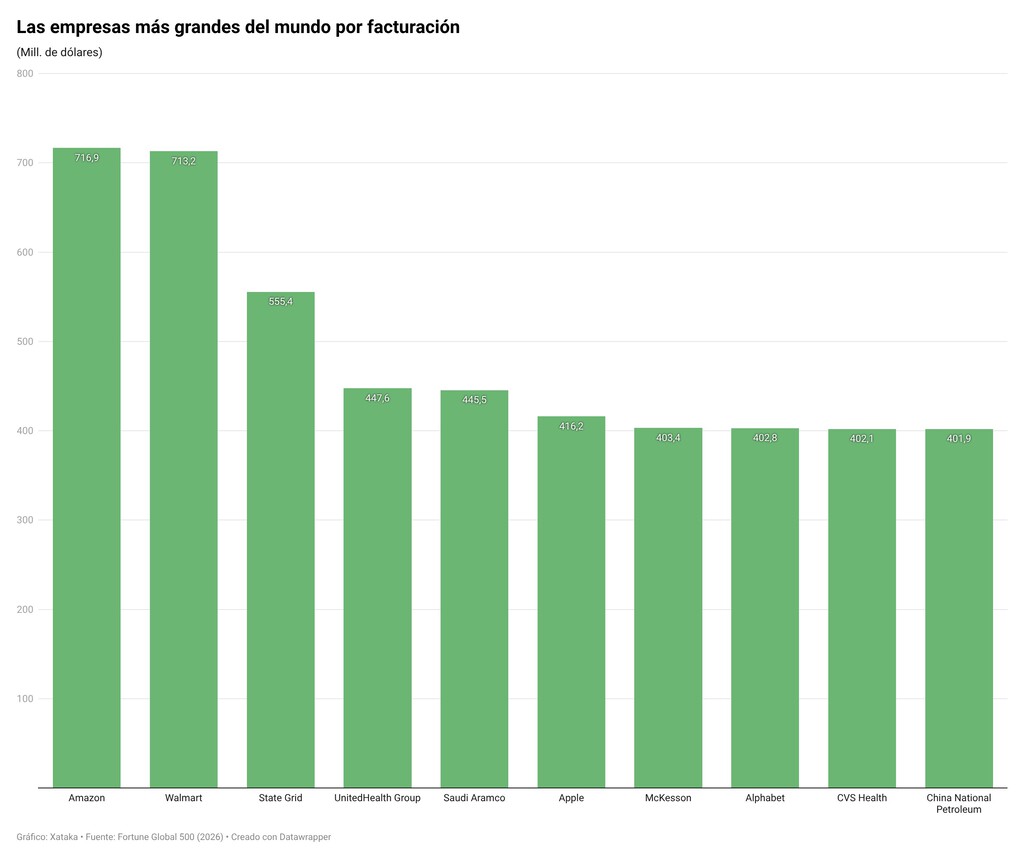
Revenue: The Classic Measure of Size
Revenue remains the most traditional measure for evaluating a company's size. In this arena, the most innovative companies don't necessarily dominate. Instead, retail and energy giants often top the list. Walmart, the American retail behemoth, has held the top spot for years, with revenues exceeding $500 billion. Its massive scale comes from thousands of stores worldwide and a vast supply chain.
Close behind are companies like Amazon, which has grown from an online bookstore to a retail and cloud computing powerhouse, and Saudi Aramco, the state-owned oil giant that benefits from vast hydrocarbon reserves. These companies generate hundreds of billions in annual revenue, but their business models couldn't be more different.
Why Revenue Matters
Revenue indicates a company's ability to generate sales and capture market share. It's a key indicator of scale and operational reach. However, revenue alone doesn't tell the whole story—profitability, debt, and growth potential also matter.
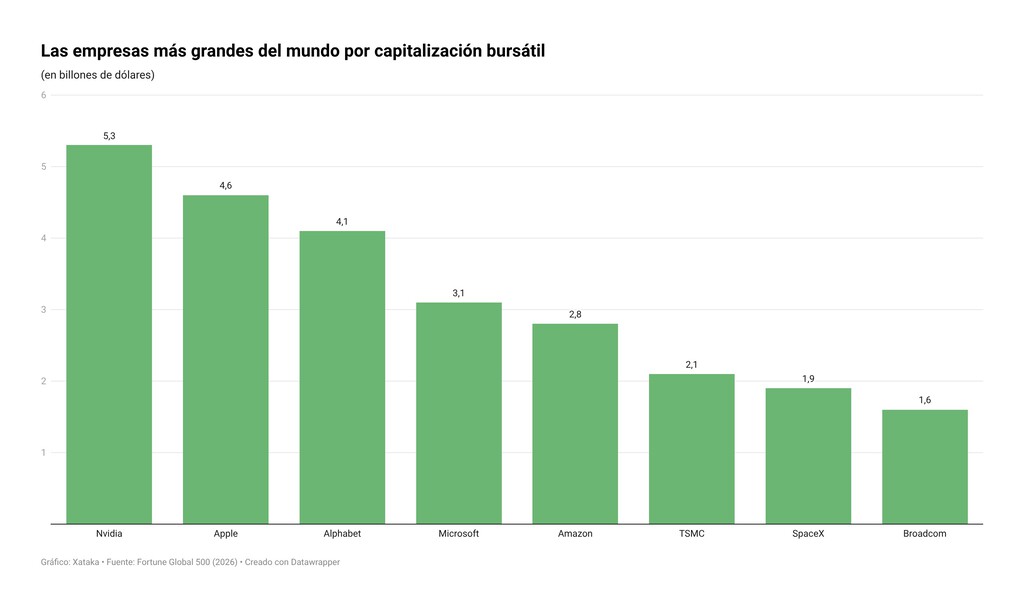
Market Capitalization: The Stock Market's Verdict
Market capitalization—the total value of a company's shares—is another crucial metric. Here, technology companies often dominate. Apple, Microsoft, and Saudi Aramco have all held the title of the world's most valuable company. Apple became the first U.S. company to reach a $1 trillion market cap in 2018 and later surpassed $2 trillion and $3 trillion.
Market cap reflects investors' expectations about a company's future earnings. A high market cap doesn't always align with high revenue; for example, tech companies often have lower revenue than retail giants but higher market caps due to higher profit margins and growth prospects.
The Role of Investor Sentiment
Market capitalization is heavily influenced by investor sentiment, interest rates, and economic conditions. A company's stock price can swing dramatically based on news, earnings reports, and broader market trends.
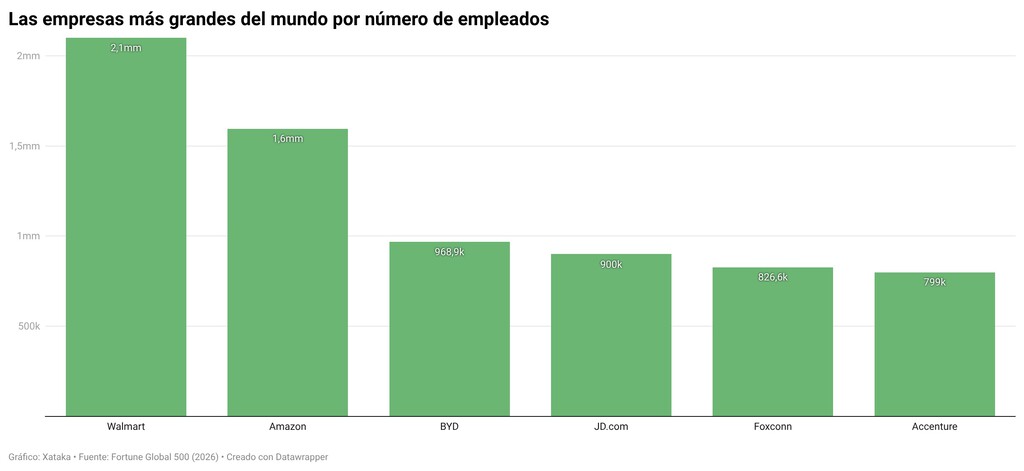
Employee Count: The Workforce Giants
If we measure by the number of employees, the largest companies are often retailers and service providers. Walmart employs over 2 million people worldwide, making it the largest private employer globally. Amazon, with over 1.5 million employees, is another workforce giant. These companies provide jobs on a massive scale, but their revenue per employee may be lower than tech firms.
Employee count is a measure of a company's operational complexity and its impact on local economies. It also reflects labor-intensive business models.
Other Metrics: Assets, Profits, and More
Other metrics include total assets (where banks like ICBC lead), profits (where Saudi Aramco has topped charts), and even brand value. Each metric highlights a different aspect of corporate size.
- Revenue: Walmart leads with over $500 billion in annual sales.
- Market capitalization: Apple, Microsoft, and Saudi Aramco have all held the top spot, with Apple surpassing $3 trillion.
- Employees: Walmart employs over 2 million people, the most of any private company.
- Profits: Saudi Aramco consistently reports the highest annual profits.
- Assets: Chinese banks like ICBC hold the most assets.
Comparing the Giants: A Side-by-Side Look
The table below summarizes key metrics for some of the world's largest companies, illustrating how leadership varies by criterion. The background to this story is set out in AstraZeneca Falls to Third-Largest UK Company Amid US Merger. A related thread runs through Ukraine War Forces Closure of Largest Steelmaker Plant. Earlier coverage in Adani Pays No Company Tax Despite $1bn Coal Revenue shows how the argument developed.
| Company | Revenue (approx.) | Market Cap (approx.) | Employees (approx.) |
|---|---|---|---|
| Walmart | $500+ billion | $400 billion | 2.1 million |
| Amazon | $470 billion | $1.5 trillion | 1.5 million |
| Apple | $380 billion | $3 trillion | 164,000 |
| Saudi Aramco | $400 billion | $2 trillion | 70,000 |
What This Means for the Global Economy
The dominance of these giants reflects broader economic trends: the rise of technology, the resilience of retail, and the enduring influence of energy. Their decisions on hiring, investment, and innovation ripple across industries and borders. A closer look at the same subject appears in World's Largest Insects Revealed: Record-Breaking Giants. Anyone following the wider picture can start with World’s Largest Insects Revealed: Giants That Will Amaze You. The same theme surfaces in Google Earnings Surge: 12th Consecutive Quarter of Revenue, which takes a different angle.
As we look ahead, the question of the largest company will continue to evolve. Emerging sectors like artificial intelligence and renewable energy could produce new giants. Companies that adapt to these shifts may well claim the crown in the coming decades. Context on how this played out before sits in UK's Largest AI Supercomputer Delayed by Power Supply Problems. A companion piece, Astrology Industry Trends: Inside America's Largest Astrologer, approaches the same subject from another angle.
FAQ
What is the largest company in the world by revenue?
Walmart is the largest company by revenue, with annual sales exceeding $500 billion. It has held this position for many years due to its vast retail network and global supply chain.
Which company has the highest market capitalization?
Apple has been the most valuable company by market capitalization, surpassing $3 trillion. However, Microsoft and Saudi Aramco have also held the top spot at different times, depending on market conditions.
Which company employs the most people?
Walmart is the largest private employer globally, with over 2 million employees. Amazon follows with approximately 1.5 million workers.
How do you determine the largest company in the world?
It depends on the metric used: revenue, market capitalization, employee count, profits, or assets. Each metric highlights a different aspect of corporate size and can lead to different companies being considered the largest.
Browse the Shop
 Acacia frida deluxe solid wood bed frame |
Bedroom bench |
Bed chest drawers |
Lingerie dresser |
Frame base |
Mirror with jewelry storage |
30 Bathroom Vanity |
Memory foam queen mattress |
Mattresses for back pain |
Nightstand set of 2 |
Grand Goldman Shop |
Civil Lawyer
Deutschland Trikot WM 2026







