

Concrete ships may sound like a far-fetched idea, but during World War II, steel shortages forced navies and shipbuilders to turn to reinforced concrete as a viable material for vessels. This unconventional solution allowed the construction of cargo ships, barges, and even warships when traditional steel was scarce. The story of concrete ships is a fascinating chapter in maritime history, showcasing human ingenuity in times of crisis.
The Origins of Concrete Ships
The idea of building boats from concrete dates back to the mid-19th century. In 1848, Frenchman Joseph-Louis Lambot constructed a small rowboat using reinforced concrete—a material that combines concrete's compressive strength with steel's tensile strength. This invention marked the birth of reinforced concrete, which later became fundamental in construction. Lambot's work laid the groundwork for future experiments with concrete vessels.
Find Original Home Decor sparking conversation at Grand Goldman Shop.

Why Concrete Ships Emerged in Wartime
During both World Wars, steel was a critical resource reserved for weapons, tanks, and aircraft. Shipbuilders faced severe shortages and needed alternative materials to maintain maritime logistics. Concrete, made from abundant materials like cement, sand, and gravel, emerged as a practical substitute. It offered several advantages: it was cheap, fire-resistant, and could be molded into various shapes.
World War II and the Concrete Ship Program
When the United States entered World War II, the demand for steel skyrocketed. The government launched an emergency shipbuilding program that included concrete ships. Between 1942 and 1944, dozens of concrete ships were built, primarily as cargo vessels and tankers. These ships were not meant to be beautiful or fast; they were utilitarian, designed to transport goods across oceans safely.
Design and Construction
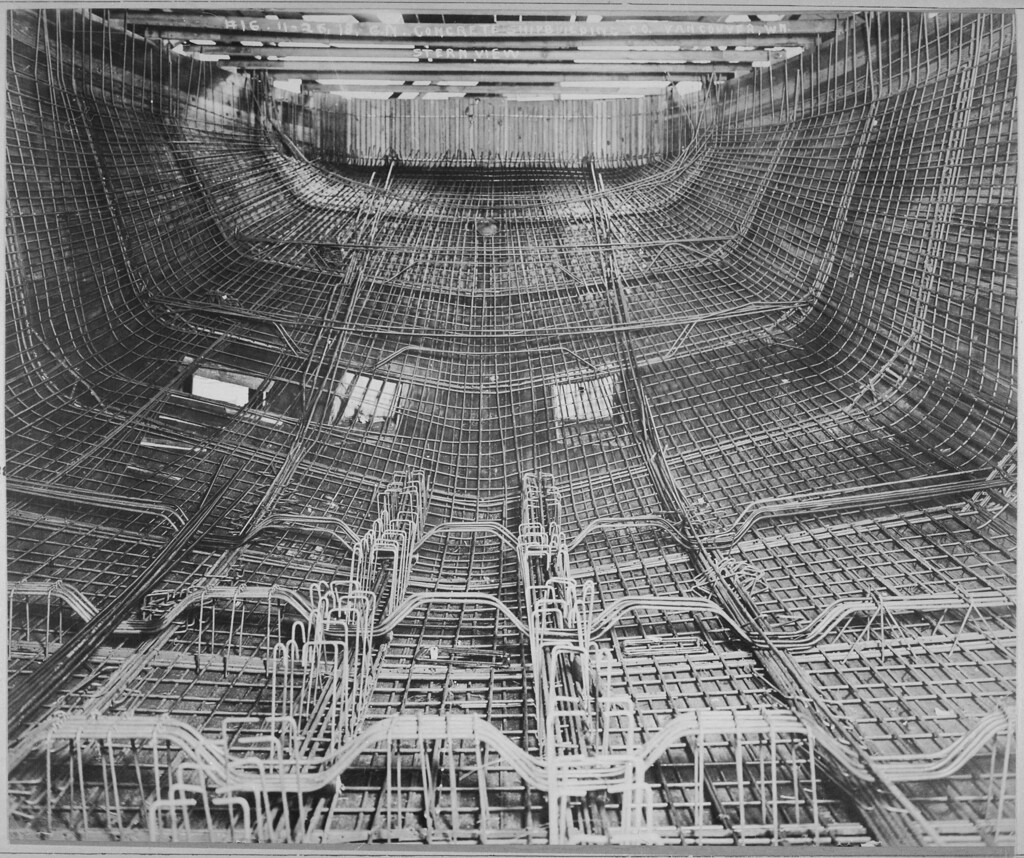
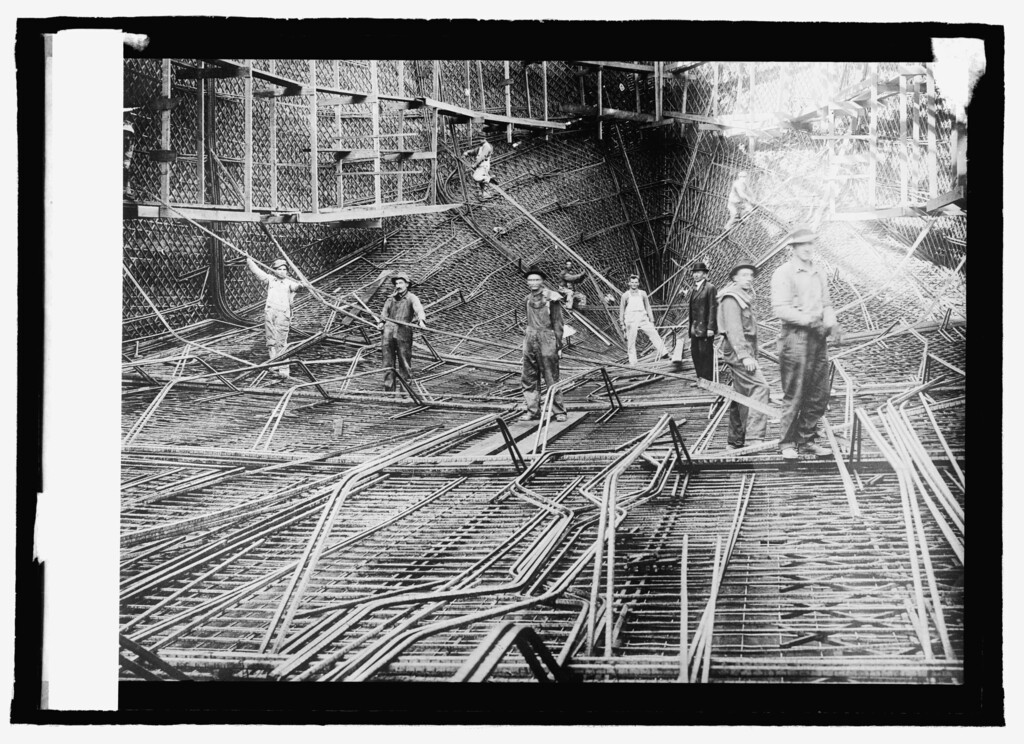
Concrete ships were built using reinforced concrete, with steel bars embedded to provide tensile strength. The hulls were typically 5 to 6 inches thick, and the ships were constructed in sections and then assembled. They were heavy, which made them stable but slow. Most had a displacement of around 5,000 to 7,000 tons and could carry significant cargo. The background to this story is set out in Build a DIY Reinforced Concrete Barbecue for Epic Grill Outs. A related thread runs through Service Operation Vessels Explained: The Hidden Workforce Behind. Earlier coverage in Royal Navy Tracks Russian Vessels in UK Waters for 72 Hours shows how the argument developed.
Notable Concrete Ships and Their Legacy
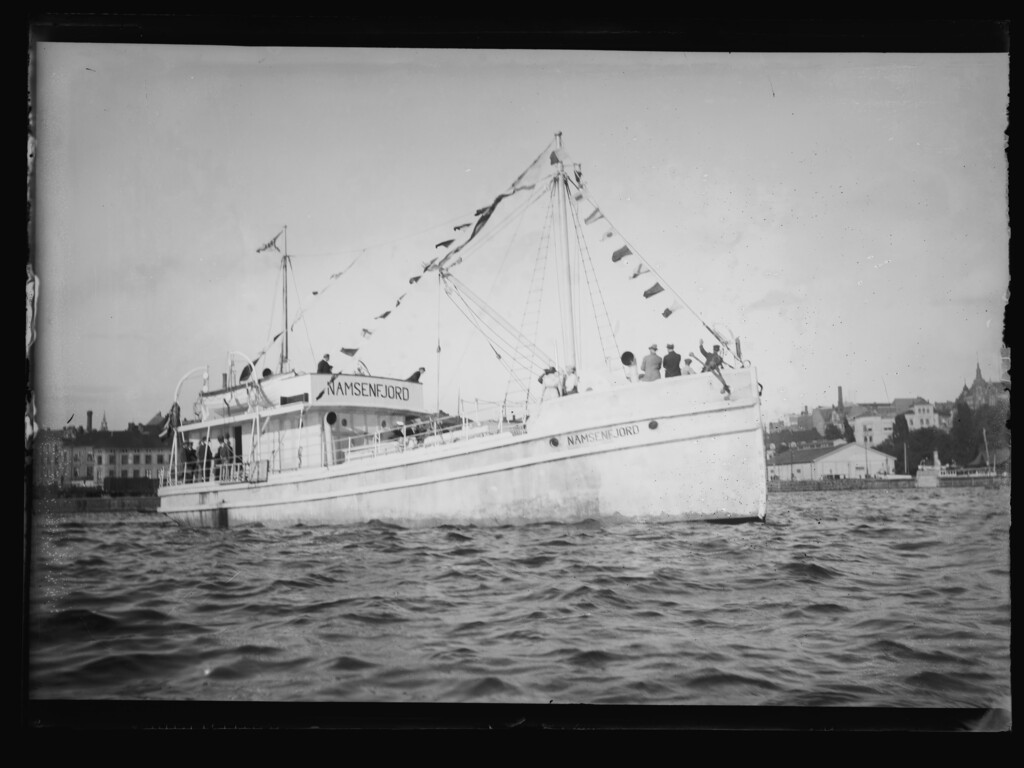
One of the most famous concrete ships is the SS Selma, launched in 1919 during World War I. It was 425 feet long and served as an oil tanker. During World War II, the SS Selma was used as a breakwater. Many other concrete ships met similar fates—after the war, they were often sunk to create artificial reefs or breakwaters. Some remain visible today, like the Powell River breakwater in British Columbia, Canada. A closer look at the same subject appears in Royal Navy Russian Vessel Monitoring Up 25% in UK Waters. Anyone following the wider picture can start with Hunter Biden for President? Why It's Not So Far-Fetched. The same theme surfaces in Stalingrad: Germany's First WWII Epic Now on Prime Video, which takes a different angle.
Challenges and Limitations
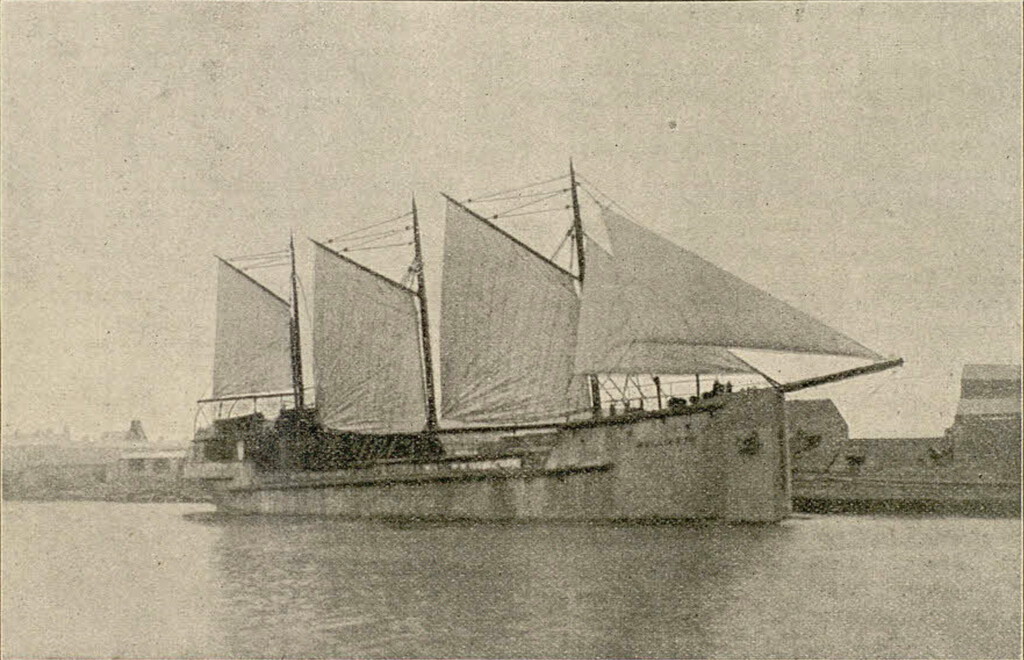
Despite their utility, concrete ships had drawbacks. They were heavier than steel ships, reducing fuel efficiency and speed. Concrete is also brittle and prone to cracking under stress, especially in rough seas. Maintenance was challenging, as cracks required repair to prevent water intrusion and corrosion of the steel reinforcement. Additionally, the ships had a limited lifespan due to the constant exposure to saltwater and weathering. Context on how this played out before sits in Germany's First Far-Right Speaker Since WWII Elected. A companion piece, Lucky Strike Review: Scott Eastwood Shines in WWII Thriller, approaches the same subject from another angle.
Frequently Asked Questions
Were concrete ships used in combat?
Concrete ships were primarily used for logistics and cargo transport, not direct combat. Their slow speed and vulnerability made them unsuitable for frontline duty. However, some were armed for defense against submarines.
How many concrete ships were built during WWII?
During World War II, the United States built approximately 24 concrete ships, including dry cargo ships and tankers. The program was part of the Emergency Shipbuilding Program.
Why did they stop building concrete ships?
After the war, steel became readily available again, and concrete ships were no longer economically competitive. Their heavy weight and maintenance issues also made them less desirable than steel vessels.
Can you still see concrete ships today?
Yes, several concrete ships from both World Wars survive as breakwaters or artificial reefs. Examples include the SS Selma in Texas and the Powell River breakwater in British Columbia.
Browse the Shop
 Acacia frida deluxe solid wood bed frame |
Bedroom bench |
Bed chest drawers |
Lingerie dresser |
Frame base |
Mirror with jewelry storage |
30 Bathroom Vanity |
Memory foam queen mattress |
Mattresses for back pain |
Nightstand set of 2 |
Grand Goldman Shop |
Civil Lawyer
Deutschland Trikot WM 2026







