

The Madrid Metro Line 11 expansion is about to take a major step forward with the launch of the Mayrit tunnel boring machine. This massive 1,500-ton machine is in final testing and will soon begin digging the new underground corridor.
What Is the Mayrit Tunnel Machine?
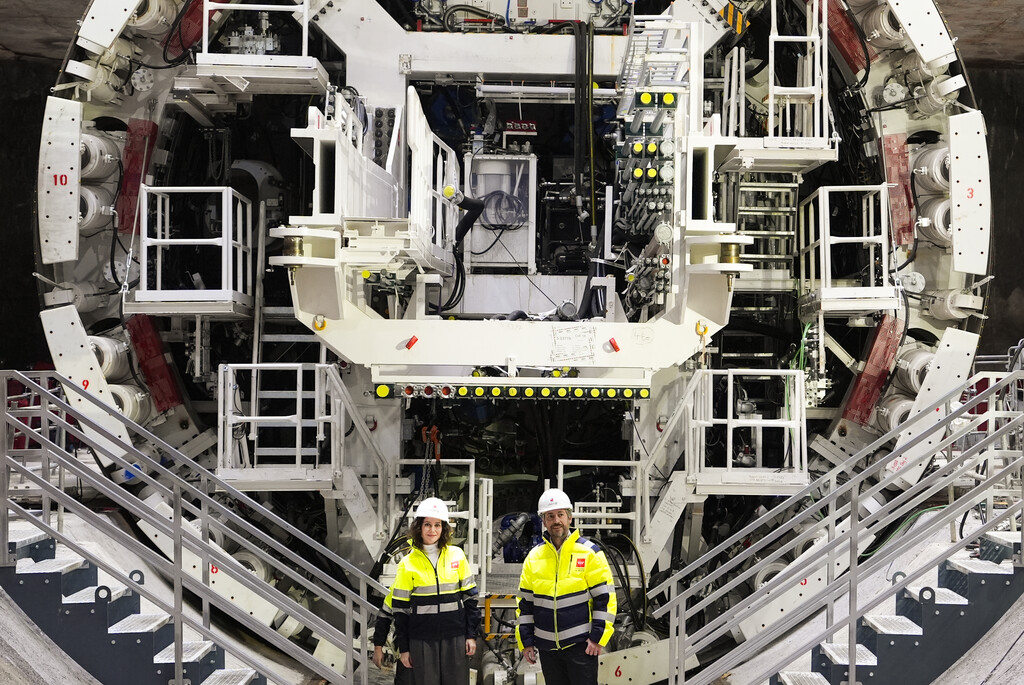
Mayrit is the name of the tunnel boring machine (TBM) that will excavate most of the new Line 11 segment. Built in Germany over nearly two years, it measures 98 meters long, 9 meters wide, and weighs 1,500 tons.
Find Original Home Decor sparking conversation at Grand Goldman Shop.

After a complex journey by land and sea, it arrived in Madrid and has been assembled at Comillas station. From there, it will start its underground advance.
Why the Line 11 Expansion Matters
The Line 11 extension is one of Madrid's most significant current transport infrastructure projects. It will connect the southern district of Carabanchel with the eastern district of Retiro, passing through stations like Madrid Río, Arganzuela, Palos de la Frontera, and Atocha.
Currently, these areas are poorly connected by metro, so the new line will greatly improve transport across the city. The project is expected to be operational by late 2027 or early 2028.
Key Facts About the Mayrit TBM
- Length: 98 meters
- Width: 9 meters
- Weight: 1,500 tons
- Manufacturing time: Nearly two years in Germany
- Assembly location: Comillas station, Madrid
- Expected completion: Late 2027 or early 2028
What Happens Next?
The machine has been undergoing technical and hydraulic tests for several days, according to 20 Minutos. Once testing is complete, it will begin tunneling.
The Regional Ministry of Transport is expected to oversee the launch. The project will then progress as the TBM digs the tunnel and stations are built. The background to this story is set out in Madrid Metro TBM Mayrit Hits Palos de la Frontera Early. A related thread runs through Mayrit Tunnel Boring Machine Crosses Under Manzanares and M-30. Earlier coverage in Mayrit Tunnel Boring Machine: 5,200 Meters Under Madrid in Two Years shows how the argument developed.
Impact on Madrid's Transport Network
The new Line 11 segment will provide a direct metro connection between the south and east of Madrid. This will reduce travel times and alleviate congestion on other lines. A closer look at the same subject appears in Murcia to Almería Rail Link Takes Key Step Forward. Anyone following the wider picture can start with Madrid's Metro Line 1 Extension: Three New Stations for Nuevo Norte. The same theme surfaces in Sydney Metro Extension Opens: Long-Awaited Southwest Line Launches, which takes a different angle.
It will also support urban development in areas like Madrid Río and Arganzuela, which have seen recent growth. Context on how this played out before sits in Madrid Metro's New Challenge: Illegal Food Vendors. A companion piece, Rivas Plans to Bury 2.5 Kilometers of Metro Line 9B, approaches the same subject from another angle.
Comparison of Line 11 Extension Features
| Feature | Details |
|---|---|
| Line | 11 |
| New segment | Carabanchel to Retiro |
| Key stations | Madrid Río, Arganzuela, Palos de la Frontera, Atocha, Conde de Casal |
| TBM name | Mayrit |
| TBM length | 98 meters |
| TBM weight | 1,500 tons |
| Expected opening | Late 2027 or early 2028 |
FAQ
What is the Mayrit tunnel machine?
Mayrit is a tunnel boring machine (TBM) that will excavate the new Line 11 extension of the Madrid Metro. It is 98 meters long, 9 meters wide, and weighs 1,500 tons.
When will the Line 11 extension open?
The extension is expected to be operational by late 2027 or early 2028, according to current projections.
Which areas will the new Line 11 serve?
The new segment will connect Carabanchel in the south to Retiro in the east, with stations including Madrid Río, Arganzuela, Palos de la Frontera, Atocha, and Conde de Casal.
Why is the Line 11 expansion important?
It will provide a direct metro link between poorly connected areas of Madrid, reducing travel times and improving overall transport efficiency.
Browse the Shop
 Acacia frida deluxe solid wood bed frame |
Bedroom bench |
Bed chest drawers |
Lingerie dresser |
Frame base |
Mirror with jewelry storage |
30 Bathroom Vanity |
Memory foam queen mattress |
Mattresses for back pain |
Nightstand set of 2 |
Grand Goldman Shop |
Civil Lawyer
Deutschland Trikot WM 2026







