

Brazil's 145-kilometer concrete river is the most visible piece of a massive water infrastructure project aimed at solving a drought problem that has plagued the country's northeast for nearly two centuries. The Cinturão das Águas do Ceará (Ceará Water Belt) is an artificial canal designed to carry water from the São Francisco River to some of the regions hardest hit by recurring droughts in the sertão.
This is not a simple dam or a single aqueduct. It is part of a sprawling hydraulic network that has been debated, planned, and partially built over generations. Understanding how Brazil arrived at this solution requires looking back at the project's long and contentious history.
Find Original Home Decor sparking conversation at Grand Goldman Shop.

The Origins of Brazil's Drought Solution
The idea of diverting water from the São Francisco River to the northeast first appeared in 1847. At the time, the region's cyclical droughts were already constraining economic and social development. For generations, the proposal resurfaced in government offices, but political resistance and the enormous cost of transforming such a vision into reality repeatedly stalled progress.
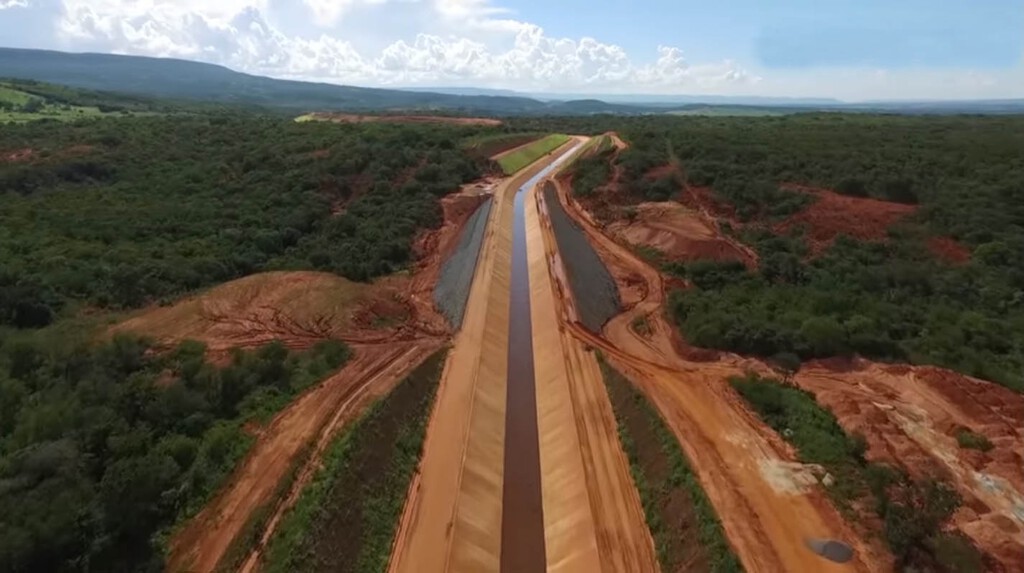
It was not until the 2000s that the project gained real momentum. President Lula da Silva pushed definitively for the transposition of the São Francisco, aiming to create a 477-kilometer network of canals, reservoirs, and aqueducts to supply millions of people in Ceará, Paraíba, Pernambuco, and Rio Grande do Norte.
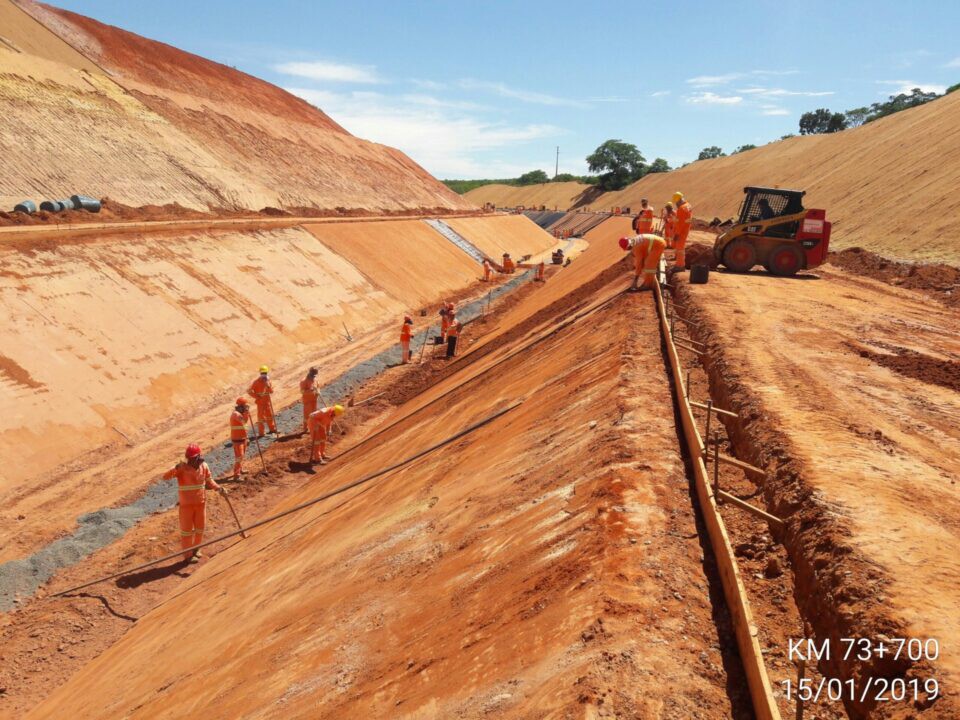
Even then, the project faced delays and controversies. The scale of the engineering challenge and the need to balance water needs across states made implementation slow and complex.
What the Cinturão das Águas do Ceará Actually Does
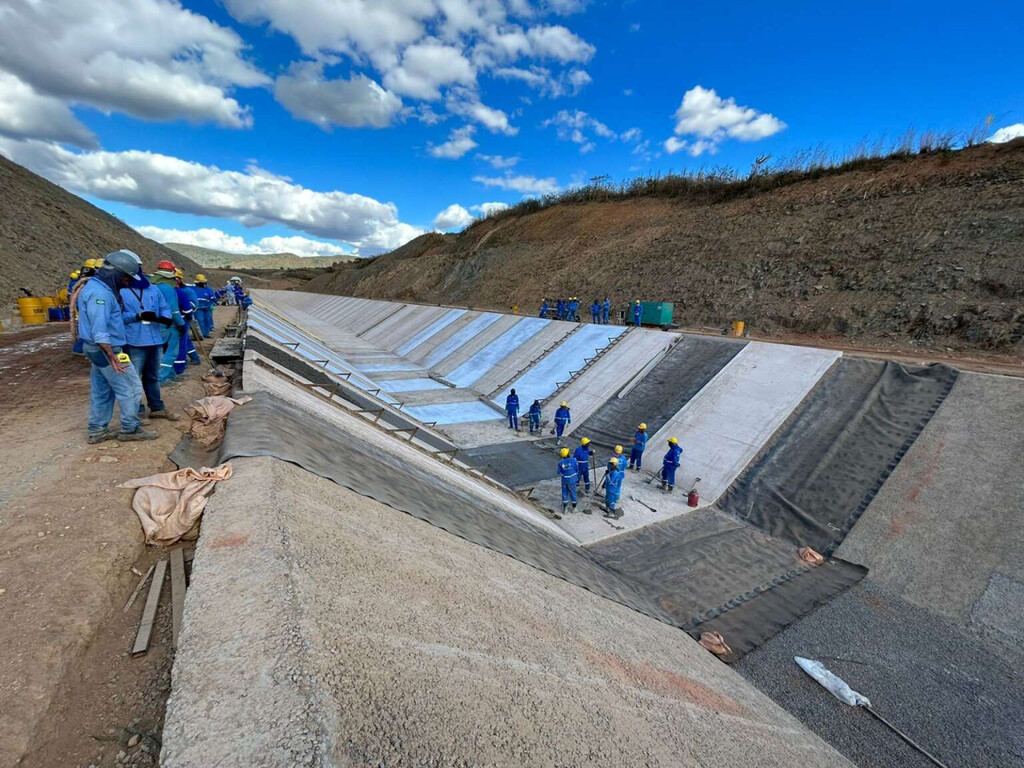
The Cinturão das Águas do Ceará is the centerpiece of the water belt system. It is an artificial canal that transports water from the São Francisco River into the arid sertão. The canal is not just a trench; it is a carefully engineered channel designed to minimize evaporation and seepage in one of Brazil's driest regions.
The system includes pumping stations, reservoirs, and distribution networks that deliver water to communities, farms, and industries. The goal is to provide a reliable water supply even during prolonged dry spells, reducing the vulnerability of millions of people.
Key Components of the Water Belt
- Main canal: 145 kilometers of concrete channel forming the backbone of the system.
- Reservoirs: Storage facilities that hold water during wet periods for use in dry months.
- Pumping stations: Infrastructure to lift water over elevation changes along the route.
- Distribution network: Smaller canals and pipes that deliver water to end users.
- Monitoring systems: Technology to track water flow and quality in real time.
Why the Project Matters for Brazil's Northeast
The sertão is a semi-arid region where droughts are a recurring feature of life. For decades, lack of water has limited agricultural productivity, forced migration, and slowed economic growth. The water belt aims to change that by providing a stable water source.
Access to reliable water can support irrigation, allowing farmers to grow more crops and raise livestock with less risk. It can also improve urban water supply, reducing the need for emergency measures like water trucking during droughts.
Beyond agriculture, the project has implications for public health and education. When water is scarce, schools and hospitals struggle to operate, and families spend hours fetching water. A steady supply can free up time and resources for other needs.
Challenges and Controversies
Despite its promise, the project has faced criticism. Environmental groups have raised concerns about the impact on the São Francisco River ecosystem, including reduced flow and effects on aquatic species. There are also questions about the cost and whether the benefits justify the investment.
Social advocates have pointed out that water distribution is not always equitable. Large landowners and agribusiness may benefit disproportionately, while small farmers and rural communities may struggle to access the new infrastructure.
Additionally, the project's completion has been delayed multiple times, leaving some areas still waiting for water. The COVID-19 pandemic and economic challenges have further slowed progress. Context on how this played out before sits in Brazil's 145-Kilometer Concrete River Ends 175-Year Drought Quest.
Comparing Brazil's Project to Other Water Transfers
| Project | Country | Length | Status |
|---|---|---|---|
| Cinturão das Águas do Ceará | Brazil | 145 km (main canal) | Partially operational |
| South-to-North Water Transfer | China | Over 1,400 km | Operational (phases) |
| California Aqueduct | USA | Over 700 km | Operational |
| Great Man-Made River | Libya | Over 2,800 km | Partially operational |
What to Watch Next
The future of the Cinturão das Águas do Ceará depends on continued funding and political will. Completing the remaining sections will require sustained investment and careful management to ensure water reaches those who need it most. The background to this story is set out in Brazil's São Francisco River Diversion: A $2.1bn Water Puzzle. A related thread runs through Energy Utilities: latest articles.
Climate change adds uncertainty. Changing rainfall patterns could affect the São Francisco River's flow, potentially reducing the water available for diversion. Adaptive management will be crucial. Earlier coverage in Europe's Drought Crisis: Why Northern Countries Now Want More Reservoirs shows how the argument developed. A closer look at the same subject appears in Portugal's Algarve Desalination Plant to Deliver Water by 2028.
For now, the concrete river stands as a testament to Brazil's long struggle with drought. Whether it fully delivers on its promise remains to be seen, but it represents one of the most ambitious attempts to reshape water access in the region. Anyone following the wider picture can start with Spain Water Crisis: 12-Hour Storm Front Brings Relief to Galicia. The same theme surfaces in Northern Spain's Drought Crisis: Trucked Water in Cantabria and Basque Country, which takes a different angle.
FAQ
What is the Cinturão das Águas do Ceará?
What is the Cinturão das Águas do Ceará?
The Cinturão das Águas do Ceará is a 145-kilometer artificial canal in Brazil designed to transport water from the São Francisco River to the arid sertão region. It is a key part of a larger water infrastructure project aimed at combating chronic droughts.
Why did Brazil build this concrete river?
Why did Brazil build this concrete river?
Brazil built the canal to provide a reliable water supply to the northeast, where cyclical droughts have hindered development for centuries. The project aims to support agriculture, urban areas, and industry in states like Ceará, Paraíba, Pernambuco, and Rio Grande do Norte.
How long has Brazil been trying to solve the drought problem?
How long has Brazil been trying to solve the drought problem?
The idea of diverting the São Francisco River was first proposed in 1847, making it nearly two centuries old. However, it only gained significant momentum in the 2000s under President Lula da Silva.
What are the main challenges facing the project?
What are the main challenges facing the project?
Challenges include environmental concerns about the São Francisco River ecosystem, equitable water distribution, funding delays, and the impacts of climate change on water availability. Completing the remaining infrastructure will require sustained investment and political commitment.
Browse the Shop
 Acacia frida deluxe solid wood bed frame |
Bedroom bench |
Bed chest drawers |
Lingerie dresser |
Frame base |
Mirror with jewelry storage |
30 Bathroom Vanity |
Memory foam queen mattress |
Mattresses for back pain |
Nightstand set of 2 |
Grand Goldman Shop |
Civil Lawyer
Deutschland Trikot WM 2026







