

In 1973, France authorized the widespread use of chlordecone, a highly toxic pesticide, to save its banana industry in the Caribbean. Over the next two decades, hundreds of tons of this banned chemical were spread across Martinique and Guadeloupe, leaving a legacy of pollution that will persist for centuries.
The decision, driven by economic interests, ignored early warnings about the pesticide's dangers. Today, the islands face one of the worst environmental and public health crises in recent French history.
Find Original Home Decor sparking conversation at Grand Goldman Shop.

Why France Turned to Chlordecone for Its Banana Plantations
In the early 1970s, banana plantations in Martinique and Guadeloupe were under siege by the banana weevil, a devastating pest. Desperate to protect the lucrative export crop, agricultural authorities turned to chlordecone, an insecticide marketed under the name Kepone.
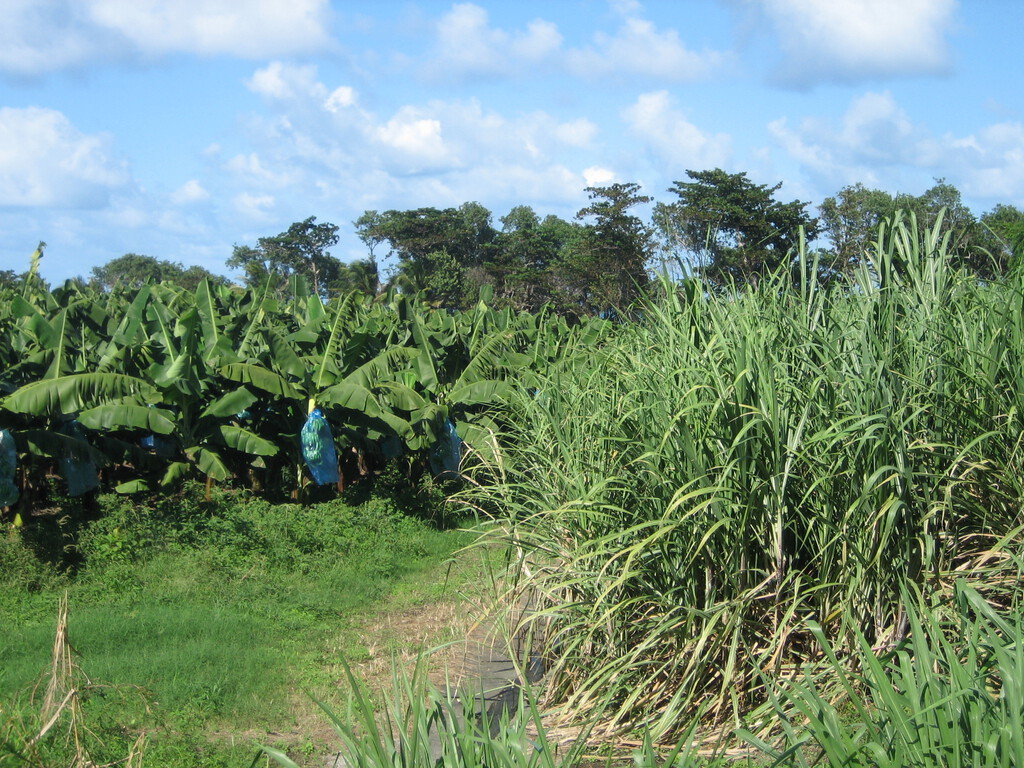
Between 1972 and 1993, hundreds of tons of the chemical were applied to the soil. At the time, it seemed like a miracle solution that would secure the future of the islands' most important industry. But the long-term consequences were catastrophic.
The World Banned Chlordecone, but France Continued Using It
Alarm bells rang early. The United States banned chlordecone in 1976 after confirming its severe toxicity. Scientific studies continued to accumulate evidence of its risks to human health and the environment.
Yet France persisted. It wasn't until 1990 that the pesticide was banned in mainland France. Even then, authorities granted a derogation allowing its use in the French Antilles until 1993—three years after the mainland ban and 17 years after the U.S. prohibition.
This delay exposed a double standard: the health of Caribbean residents was seemingly valued less than that of mainland citizens.
How Chlordecone Contaminated Soil, Water, and Food
Chlordecone is a persistent organic pollutant. It binds tightly to soil particles and does not degrade easily, remaining in the environment for centuries. Rain washes it into rivers and coastal waters, contaminating aquatic ecosystems.
The chemical accumulates in the food chain, particularly in root vegetables and seafood. Studies have shown widespread contamination of local produce, leading to strict fishing and farming restrictions that remain in place today.
The Human Toll: Health Impacts on Martinique and Guadeloupe
Exposure to chlordecone has been linked to serious health problems, including prostate cancer, neurological disorders, and developmental issues in children. A 2018 study found that virtually the entire population of Martinique and Guadeloupe has been exposed to the pesticide.
The French government has acknowledged the crisis, but compensation and cleanup efforts have been slow and inadequate. Local communities continue to demand justice and better protection. Context on how this played out before sits in France's 300-Ton Chlordecone Dump Poisoned Two Caribbean Islands.
Key Takeaways from the Chlordecone Disaster
- France used chlordecone on banana plantations from 1972 to 1993, long after the U.S. banned it in 1976.
- The pesticide persists in soil for centuries, contaminating food and water supplies.
- Nearly all residents of Martinique and Guadeloupe have been exposed, with serious health consequences.
- The French government's delayed ban and weak response highlight environmental injustice.
- Cleanup is extremely difficult, and restrictions on fishing and farming continue.
Comparing Chlordecone Regulations: France vs. the United States
| Country | Year Banned | Notes |
|---|---|---|
| United States | 1976 | Banned after toxicity confirmed |
| France (mainland) | 1990 | Continued use in Antilles until 1993 |
| France (Antilles) | 1993 | Derogation allowed prolonged use |
The table illustrates the stark disparity in regulatory action. While the U.S. acted swiftly, France allowed the chemical to be used in its Caribbean territories for nearly two more decades. The background to this story is set out in James Bay Project: How a Mega Dam Poisoned the Cree People. A related thread runs through Lake Tahoe Pine Trees Poisoned: Nevada Investigation Update.
What the Chlordecone Crisis Means for Environmental Justice
The chlordecone scandal is a stark example of environmental racism and the prioritization of economic interests over public health. It also underscores the importance of the precautionary principle in regulating chemicals. Earlier coverage in Energy Utilities: latest articles shows how the argument developed. A closer look at the same subject appears in Norfolk Couple Wins Third Legal Victory for Wetland Protection.
As the world grapples with other persistent pollutants, the lesson is clear: early warnings must be heeded, and all communities—regardless of their location or political power—deserve equal protection. Anyone following the wider picture can start with Lawsuit Demands EPA Action on Cancer-Linked Atrazine Pollution. The same theme surfaces in Global Rivers Are Running Out of Sand: The Looming Crisis, which takes a different angle.
FAQ
What is chlordecone and why is it dangerous?
Chlordecone is a toxic, persistent organic pollutant used as a pesticide. It accumulates in the environment and the food chain, and is linked to cancer and neurological damage.
How long did France use chlordecone in Martinique and Guadeloupe?
France used chlordecone from 1972 to 1993 in the French Antilles, despite banning it in mainland France in 1990 and the U.S. banning it in 1976.
What are the health effects of chlordecone exposure?
Exposure is associated with increased prostate cancer risk, developmental problems in children, and other serious health issues. Nearly the entire population of the islands has been exposed.
Is chlordecone still a problem today?
Yes, chlordecone remains in the soil and water, contaminating food sources. Fishing and farming restrictions are still in place, and cleanup is extremely challenging.
Browse the Shop
 Acacia frida deluxe solid wood bed frame |
Bedroom bench |
Bed chest drawers |
Lingerie dresser |
Frame base |
Mirror with jewelry storage |
30 Bathroom Vanity |
Memory foam queen mattress |
Mattresses for back pain |
Nightstand set of 2 |
Grand Goldman Shop |
Civil Lawyer
Deutschland Trikot WM 2026







