

Microsoft's ambitious climate goal to become carbon negative by 2030 is under serious threat, according to the company's latest environmental report. The software giant's total emissions rose to about 20 million metric tons of CO2 in the last fiscal year, a 25% increase from the previous period. The culprit? The massive buildout of data centers needed to power artificial intelligence and cloud computing.
Just a few years ago, Microsoft was touting its sustainability leadership, investing in greener buildings and optimizing water and heat usage at its Azure data centers. But the AI boom has upended those plans, turning the company into one of the world's larger corporate emitters—on par with countries like Panama or Lithuania.
Find Original Home Decor sparking conversation at Grand Goldman Shop.

Why Microsoft's Emissions Are Climbing
According to the report, the primary driver is Scope 3 emissions, which include indirect emissions from the supply chain, such as the manufacturing of servers and construction materials for new data centers. As Microsoft races to expand its AI infrastructure, the carbon footprint of these activities has skyrocketed.
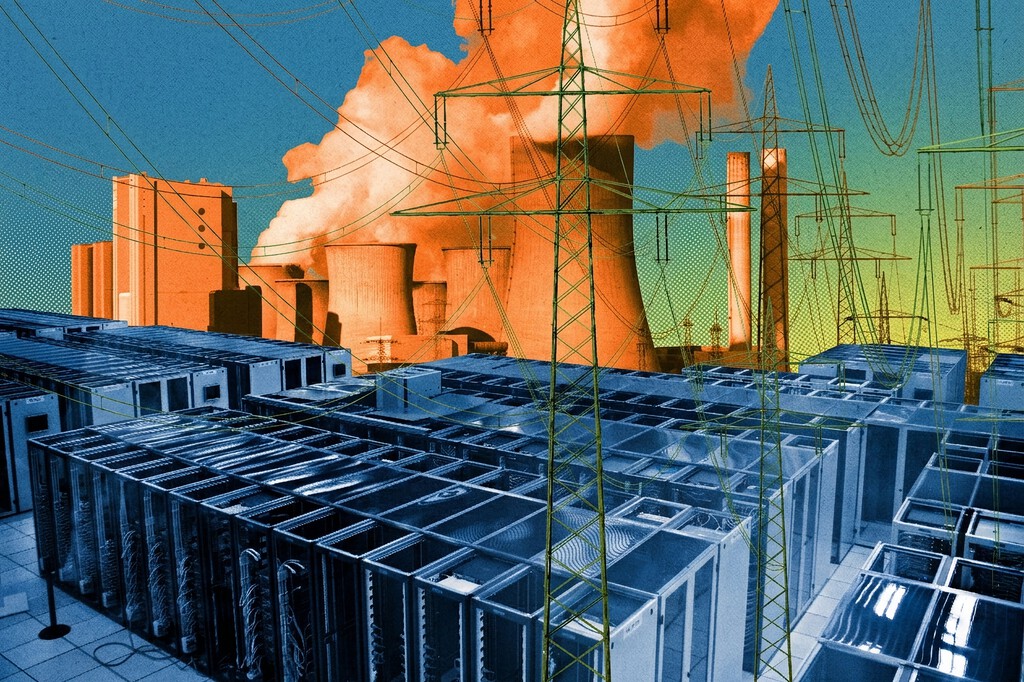
The company's net emissions figure of 20 million tons is calculated after subtracting carbon removal credits. Gross emissions were actually 34 million tons, but Microsoft paid to remove 14 million tons from the atmosphere. Even so, the net increase is significant and puts the 2030 target in doubt.
Melanie Nakagawa, Microsoft's chief sustainability officer, insists the company remains focused on its climate goals. But she acknowledges that the AI surge has made the challenge much harder. "We are committed to our 2030 carbon negative goal," Nakagawa said in the report, "but we recognize that the path has become steeper."
The AI Energy Dilemma
Microsoft is not alone. Across the tech industry, the explosive growth of AI is driving up energy demand and emissions. Data centers that train and run large language models consume vast amounts of electricity, and many are still powered by fossil fuels.For Microsoft, the irony is sharp: a company that once pledged to lead on climate is now struggling to keep up with its own sustainability promises. The AI revolution has become the ultimate test of corporate climate commitments.
What This Means for the 2030 Goal
Microsoft's 2030 goal has two parts: first, to become carbon negative (removing more carbon than it emits), and second, to invest in carbon removal technologies. The recent emissions spike makes the first part particularly challenging.
To get back on track, Microsoft will need to accelerate its adoption of renewable energy, improve energy efficiency in data centers, and scale up carbon removal efforts. The company has announced several initiatives, including advanced nuclear power agreements and investments in carbon capture, but these will take time to materialize.
Key Takeaways
- Microsoft's total emissions rose 25% to about 20 million metric tons of CO2 in the last fiscal year.
- The increase is largely due to the buildout of AI data centers and associated Scope 3 emissions.
- Gross emissions were 34 million tons, offset by 14 million tons of carbon removal.
- Microsoft's 2030 carbon-negative goal is now at risk, but the company says it remains committed.
- The AI boom is making it harder for tech companies to meet climate targets.
Comparing Microsoft's Emissions
To put Microsoft's emissions in perspective, here's how they compare to other entities: The background to this story is set out in Data Centers' Water Consumption Triples: The Hidden Cost of AI. A related thread runs through Climate Change Rhyme: Rising Temperatures & Emission Urgency. Earlier coverage in Climate Change Rhyme: Rising Temperatures and Emission Cuts shows how the argument developed.
| Entity | Annual CO2 Emissions (approx.) |
|---|---|
| Microsoft (net) | 20 million tons |
| Panama | 20 million tons |
| Lithuania | 20 million tons |
| Microsoft (gross) | 34 million tons |
What to Watch Next
Investors and environmental groups will be watching closely to see if Microsoft can reverse the trend. The company's next steps—such as increasing renewable energy contracts, investing in next-generation nuclear, and expanding carbon removal—will determine whether it can still meet its 2030 target. A closer look at the same subject appears in AI Data Centers Drive PC Component Prices to New Highs in 2026. Anyone following the wider picture can start with AI Startups Turn Idle GPUs Into Chatbots as Data Centers Lag. The same theme surfaces in Google Runs AI in Orbit: A Key Step Toward Space Data Centers, which takes a different angle.
Meanwhile, the AI race shows no signs of slowing, and other tech giants like Google and Amazon face similar challenges. How Microsoft navigates this tension between AI growth and climate responsibility could set a precedent for the entire industry. Context on how this played out before sits in Microsoft AI Chip Accounting Raises Red Flags for Investors. A companion piece, Microsoft AI Chip Shortage Threatens Data Center Expansion, approaches the same subject from another angle.
FAQ
Why did Microsoft's emissions increase?
Microsoft's emissions increased primarily due to the rapid expansion of data centers to support AI and cloud services. This led to higher Scope 3 emissions from the manufacturing of servers and construction materials, as well as increased energy consumption.
What is Microsoft's 2030 climate goal?
Microsoft aims to become carbon negative by 2030, meaning it will remove more carbon from the atmosphere than it emits. The company also plans to invest in carbon removal technologies to achieve this goal.
How does Microsoft's emissions compare to countries?
Microsoft's net emissions of about 20 million tons of CO2 are roughly equivalent to the annual emissions of Panama or Lithuania. Its gross emissions of 34 million tons are even higher.
Can Microsoft still meet its 2030 goal?
It will be challenging, but Microsoft insists it remains committed. The company is investing in renewable energy, nuclear power, and carbon removal, but the scale of the AI buildout makes the target increasingly difficult to reach.
Browse the Shop
 Acacia frida deluxe solid wood bed frame |
Bedroom bench |
Bed chest drawers |
Lingerie dresser |
Frame base |
Mirror with jewelry storage |
30 Bathroom Vanity |
Memory foam queen mattress |
Mattresses for back pain |
Nightstand set of 2 |
Grand Goldman Shop |
Civil Lawyer
Deutschland Trikot WM 2026







