

Students in Australia have demonstrated a simple yet powerful way to recycle plastic bottles by building greenhouses from them. Instead of throwing away empty bottles, they asked: why not construct something useful? This premise led to a series of homemade greenhouses that are cheap to build and serve as classrooms, gardens, and community projects.
The Ingenious Idea Behind Plastic Bottle Greenhouses
The concept is straightforward: collect thousands of empty plastic bottles, wash them, and use them to fill the walls of a basic wooden frame. Light passes through the plastic just as it would through glass or polycarbonate, trapping heat inside and creating the warm, humid conditions plants need to grow.
Find Original, High-end Home Decor that spark conversation at Grand Goldman Shop.
This gives the bottles a second life and reduces waste. The method is accessible and low-cost, making it ideal for schools and community groups.
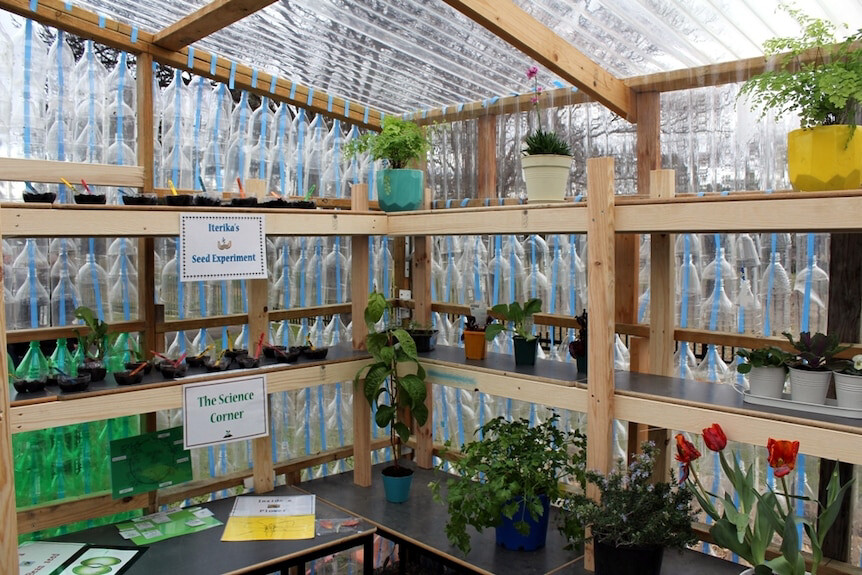
How the University of Canberra Built a Greenhouse from 1,500 Bottles
In 2014, 33 students from the Master of Occupational Therapy program at the University of Canberra took on a project to design and build a bottle greenhouse from scratch, then donate it. Using over 1,500 bottles and funding it through $1,000 raised from collections, the students assembled the structure on campus before transporting it to Nowra, New South Wales.
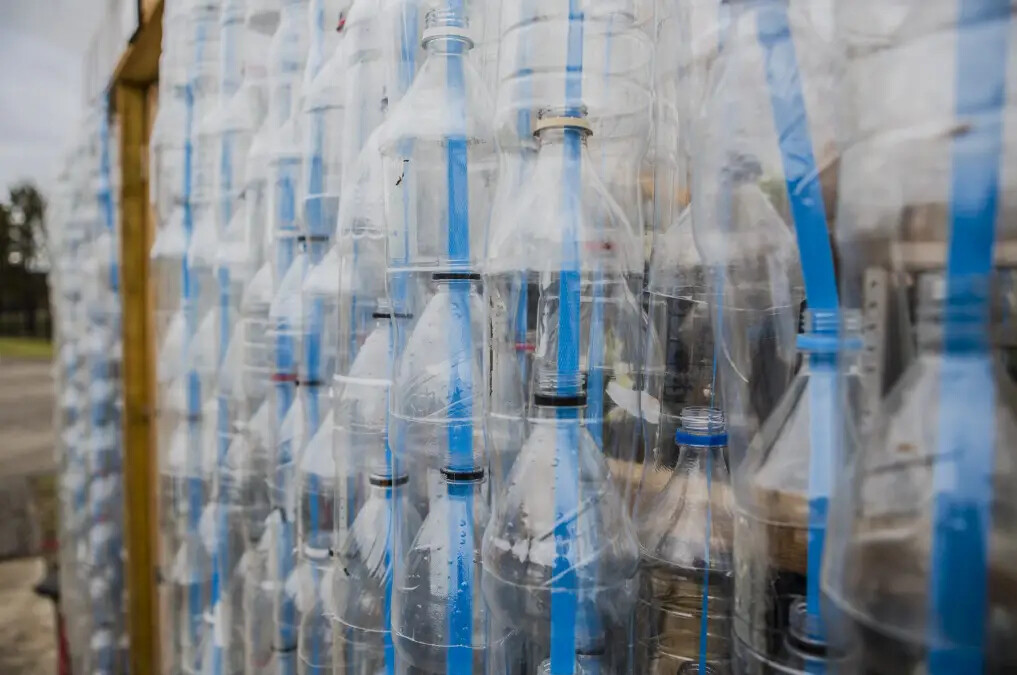
They gifted it to Slice of Life Australia, a nonprofit organization that supports young people with disabilities. This project not only recycled waste but also provided a valuable community resource.
Key Takeaways from the Plastic Bottle Greenhouse Project
- Cost-effective: Built almost entirely from recycled bottles, the greenhouses are very cheap to construct.
- Educational: They serve as hands-on learning spaces for students and community members.
- Environmental impact: Each greenhouse diverts thousands of bottles from landfill.
- Community building: Projects like this foster collaboration and support local nonprofits.
- Replicable: The method is simple enough for other schools and groups to adopt.
Comparing Plastic Bottle Greenhouses to Traditional Greenhouses
| Aspect | Plastic Bottle Greenhouse | Traditional Greenhouse |
|---|---|---|
| Material cost | Very low (recycled bottles) | High (glass or polycarbonate) |
| Construction complexity | Simple, DIY-friendly | Requires professional installation |
| Environmental impact | Diverts waste, upcycles | New materials, energy-intensive |
| Durability | Moderate (depends on maintenance) | High |
| Light transmission | Good | Excellent |
Who Benefits from These Greenhouses?
The greenhouses benefit a wide range of people. Schools gain outdoor classrooms where students learn about sustainability and gardening. Community groups get a space to grow food and host activities. Nonprofits like Slice of Life Australia use them to support young people with disabilities, providing therapeutic and educational opportunities. Context on how this played out before sits in Students Build Greenhouses from 2,000 Plastic Bottles.
Local residents also enjoy fresh produce and a sense of community pride. The background to this story is set out in Build Your Own Solar Powered Heater by Recycling Plastic Bottles. A related thread runs through DIY Plastic Flowers: How to Make Them from Recycled Bottles.
What to Watch Next in Plastic Bottle Recycling
As plastic pollution remains a global challenge, innovative recycling solutions like this are gaining attention. More schools and organizations may adopt similar projects, especially as awareness of environmental issues grows. Earlier coverage in Ocean Cleanup Collects 1.3 Million Plastic Bottles in One Day shows how the argument developed. A closer look at the same subject appears in Energy Utilities: latest articles.
Future developments could include scaling up the concept for larger structures or integrating other recycled materials. The success of this project shows that small, community-driven initiatives can make a tangible difference. Anyone following the wider picture can start with US Diesel Export Ban: Why Trump's Proposal Could Backfire. The same theme surfaces in Invasive Species in Spain: Why the Guadalquivir Is a Hotspot, which takes a different angle.
FAQ
How many plastic bottles are needed to build a greenhouse?
It varies by size, but the University of Canberra project used over 1,500 bottles for a medium-sized greenhouse. Some projects use around 2,000 bottles.
Are plastic bottle greenhouses durable?
With proper maintenance, they can last several years. The plastic may degrade over time, but bottles can be replaced individually.
Can I build one myself?
Yes, the method is simple and requires basic carpentry skills. Many online guides provide step-by-step instructions.
What are the environmental benefits?
They divert plastic waste from landfills and reduce the need for new construction materials, lowering carbon footprint.
Browse the Shop
 Acacia frida deluxe solid wood bed frame |
Bedroom bench |
Bed chest drawers |
Lingerie dresser |
Frame base |
Mirror with jewelry storage |
30 Bathroom Vanity |
Memory foam queen mattress |
Mattresses for back pain |
Nightstand set of 2 |
Grand Goldman Shop |
Civil Lawyer
Deutschland Trikot WM 2026










