

Kombucha has been hailed as a superdrink, but a new study suggests it may not live up to its stress-relief hype. Australian scientists put kombucha to the test and found that while it contains beneficial bioactive compounds, it didn't improve outcomes in a controlled stress test. This challenges the growing narrative that kombucha can ease stress via the gut-brain axis.
What the Study Did
The research team conducted two studies on the same group of healthy adults. First, they analyzed blood and urine samples for metabolites linked to kombucha's purported benefits. Then, they examined how consuming the drink affected a controlled laboratory stress test.
Find Original Home Decor sparking conversation at Grand Goldman Shop.

This dual approach allowed scientists to see whether kombucha's bioactive compounds actually translate into measurable physiological effects, particularly under stress.
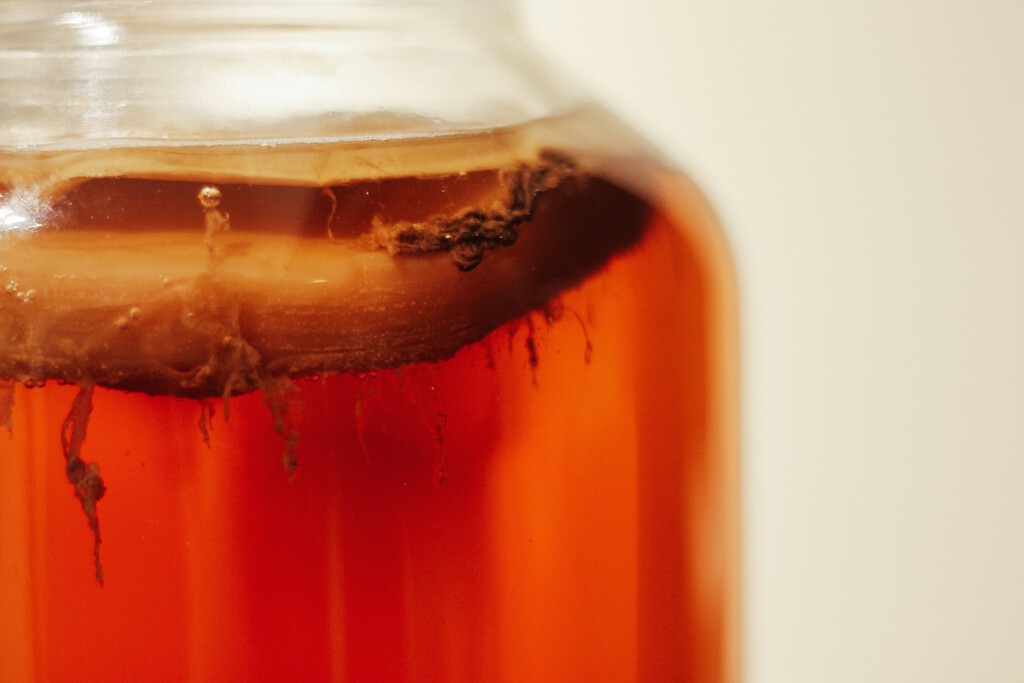
Bioactive Compounds Found, But No Stress Benefit
As expected, the first analysis revealed interesting metabolites, confirming that kombucha contains bioactive principles. However, these compounds did not lead to a reduction in stress during the controlled test.
In other words, having the compounds is not enough—they must exert a tangible effect. The study found no evidence that kombucha consumption blunted stress responses in the participants.
Why This Matters for Consumers
Many people turn to kombucha as a healthier alternative to sugary sodas, believing it offers digestive and mental health benefits. While it may be a better choice than sugary drinks, this study cautions against overestimating its stress-relieving powers.
Moreover, commercial kombuchas often contain high levels of added sugar, which can negate any potential benefits. Consumers should read labels carefully and not rely on kombucha as a stress management tool.
- Kombucha contains bioactive compounds, but they may not affect stress.
- Controlled stress tests showed no benefit from kombucha consumption.
- Added sugar in commercial kombucha can outweigh benefits.
- Don't replace proven stress-reduction strategies with kombucha.
- More research is needed on the gut-brain axis and fermented foods.
Kombucha vs. Other Stress-Reduction Methods
When it comes to managing stress, evidence-based methods like exercise, meditation, and adequate sleep have robust support. Kombucha, while potentially beneficial for gut health, does not appear to be a reliable stress reliever.
The table below compares kombucha with other approaches based on current evidence. The background to this story is set out in Chicago Scream Club: Why Group Screaming Is the New Stress Relief. A related thread runs through Homemade Kombucha Recipe: Easy Fermented Tea Guide. Earlier coverage in Embrace Pyt: The Danish Art of Letting Go for Stress Relief shows how the argument developed.
| Method | Evidence for Stress Reduction | Notes |
|---|---|---|
| Kombucha | Limited/None | Bioactive compounds present but no stress effect in study |
| Exercise | Strong | Reduces stress hormones, improves mood |
| Meditation | Strong | Lowers cortisol, enhances relaxation |
| Sleep | Strong | Essential for stress regulation |
What to Watch Next
This study adds to the growing body of research on fermented foods and the gut-brain axis. Future studies may explore whether different dosages, fermentation times, or combinations with other foods could influence stress outcomes. A closer look at the same subject appears in Health: latest articles. Anyone following the wider picture can start with Why Ceramic Workshops Are Booming: A Psychologist Explains. The same theme surfaces in Sighing and the Amygdala: Neuroscience Behind Emotional Release, which takes a different angle.
For now, consumers should enjoy kombucha as a beverage, not a medicine. It's important to maintain a balanced diet and lifestyle for overall well-being. Context on how this played out before sits in Mushroom That Caused 1934 Hallucinations May Help Dementia. A companion piece, Kombucha vs. Stress: Why the Superdrink Falls Short, approaches the same subject from another angle.
FAQ
Does kombucha reduce stress?
According to this study, kombucha did not reduce stress in a controlled test, despite containing bioactive compounds. More research is needed to confirm any potential effects.
Is kombucha still healthy?
Kombucha can be part of a healthy diet, but be aware of added sugar in commercial products. It may offer some digestive benefits, but don't rely on it for stress relief.
What are bioactive compounds in kombucha?
These are substances like organic acids, polyphenols, and probiotics that may have health effects. However, their presence doesn't guarantee a specific benefit.
Should I stop drinking kombucha?
No, you don't need to stop. Just manage expectations and choose low-sugar varieties. It's not a substitute for proven stress-management techniques.
Browse the Shop
 Acacia frida deluxe solid wood bed frame |
Bedroom bench |
Bed chest drawers |
Lingerie dresser |
Frame base |
Mirror with jewelry storage |
30 Bathroom Vanity |
Memory foam queen mattress |
Mattresses for back pain |
Nightstand set of 2 |
Grand Goldman Shop |
Civil Lawyer
Deutschland Trikot WM 2026







