


Il documentario Mr Nobody Against Putin ha sorpreso molti agli 98esimi Premi Oscar, vincendo l'Oscar al Miglior Documentario, posizionando un film profondamente politico sulla resistenza alla guerra della Russia contro l'Ucraina al centro dell'attenzione globale.
La vittoria del 15 marzo 2026 a Hollywood sottolineò non solo il riconoscimento cinematografico ma anche discussioni più ampie su propaganda, autoritarismo e resistenza individuale.

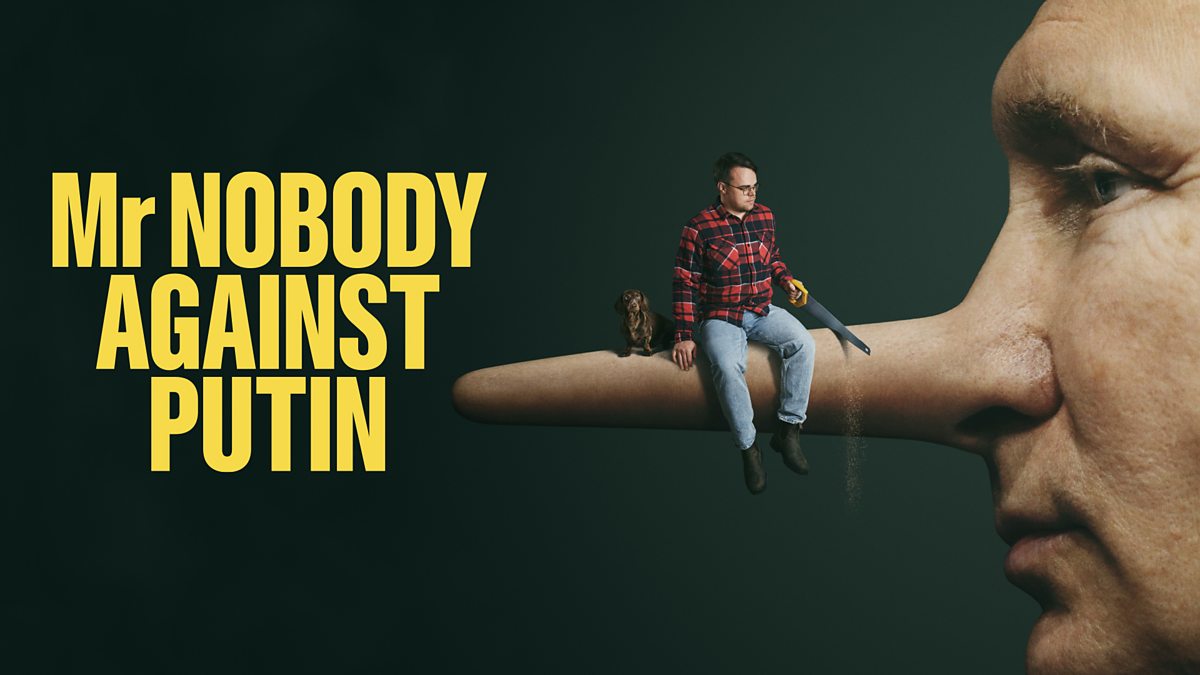
Un documentario dal profilo basso con un messaggio di alto profilo
Mr Nobody Against Putin non è una produzione cinematografica tradizionale con star famose o marketing patinato. Invece, è iniziato come filmati grezzi e intimi dall'interno di una scuola elementare russa a Karabash, una città mineraria dura vicino agli Urali. La figura centrale è Pavel Talankin, un insegnante che documentò come la propaganda di stato si infiltrasse nell'aula in seguito all'invasione russa dell'Ucraina nel 2022.
Il film è stato co-diretto da Talankin e dal regista americano David Borenstein e girato nell'arco di due anni, catturando esempi sottili ma potenti di come istruzione, media e vita quotidiana siano stati rimodellati sotto la pressione bellica.
Cosa raffigura il documentario
-
La trasformazione delle routine scolastiche in veicoli per messaggi patriottici e militaristi.
-
La normalizzazione progressiva di temi pro‑guerra nelle aule.
-
La propria lotta etica di Talankin tra conformità e resistenza.
-
Il crescente rischio per la sua sicurezza personale mentre raccoglieva materiale.
Talankin alla fine fuggì dalla Russia nel 2024 con i suoi filmati, cercando sicurezza e l'opportunità di completare il film all'estero.

Vittoria agli Oscar e reazioni
Alla cerimonia degli Oscar, Mr Nobody Against Putin ha superato numerose contendenti, tra cui The Perfect Neighbor, The Alabama Solution, Cutting Through Rocks e Come See Me in the Good Light. La vittoria faceva parte di una notte più ampia di riconoscimenti politici e artistici che ha visto anche film come One Battle After Another e Sinners portare a casa molteplici premi.
Co‑regista David Borenstein ha usato il discorso di accettazione per sottolineare l'importanza morale del film. L'ha descritto come una storia sulla perdita di una nazione “attraverso innumerevoli, piccoli atti di complicità”, avvertendo che il silenzio di fronte all'ingiustizia è di per sé una scelta pericolosa.
Talankin ha anche rivolto un appello pubblico, chiedendo la fine dei conflitti globali e mettendo in evidenza il tributo umano delle guerre che si estendono ben oltre i campi di battaglia.
Contesto: Documentari agli Oscar
Il Premio Oscar per il Miglior Documentario ha una lunga storia di onorare film che affrontano soggetti sociali e politici controversi. Tradizionalmente, i vincitori variano da cronache di guerre a reportage sui diritti umani e ritratti intimi di individui non celebrati. Mr Nobody Against Putin continua questo schema di riconoscimento ma si distingue per il suo confronto diretto con le politiche di un leader mondiale in carica e l'ingegneria sociale domestica.
Quest'anno, le reazioni del pubblico e della critica sono state miste: se molti hanno elogiato il coraggio e la narrazione del film, alcuni critici e spettatori hanno espresso scetticismo sul modo in cui è inquadrato narrativamente o hanno sostenuto che altri candidati fossero altrettanto meritevoli. Le discussioni online hanno riflesso sia ammirazione sia critica, con dibattiti sui meriti del film e sulle implicazioni politiche della sua vittoria.
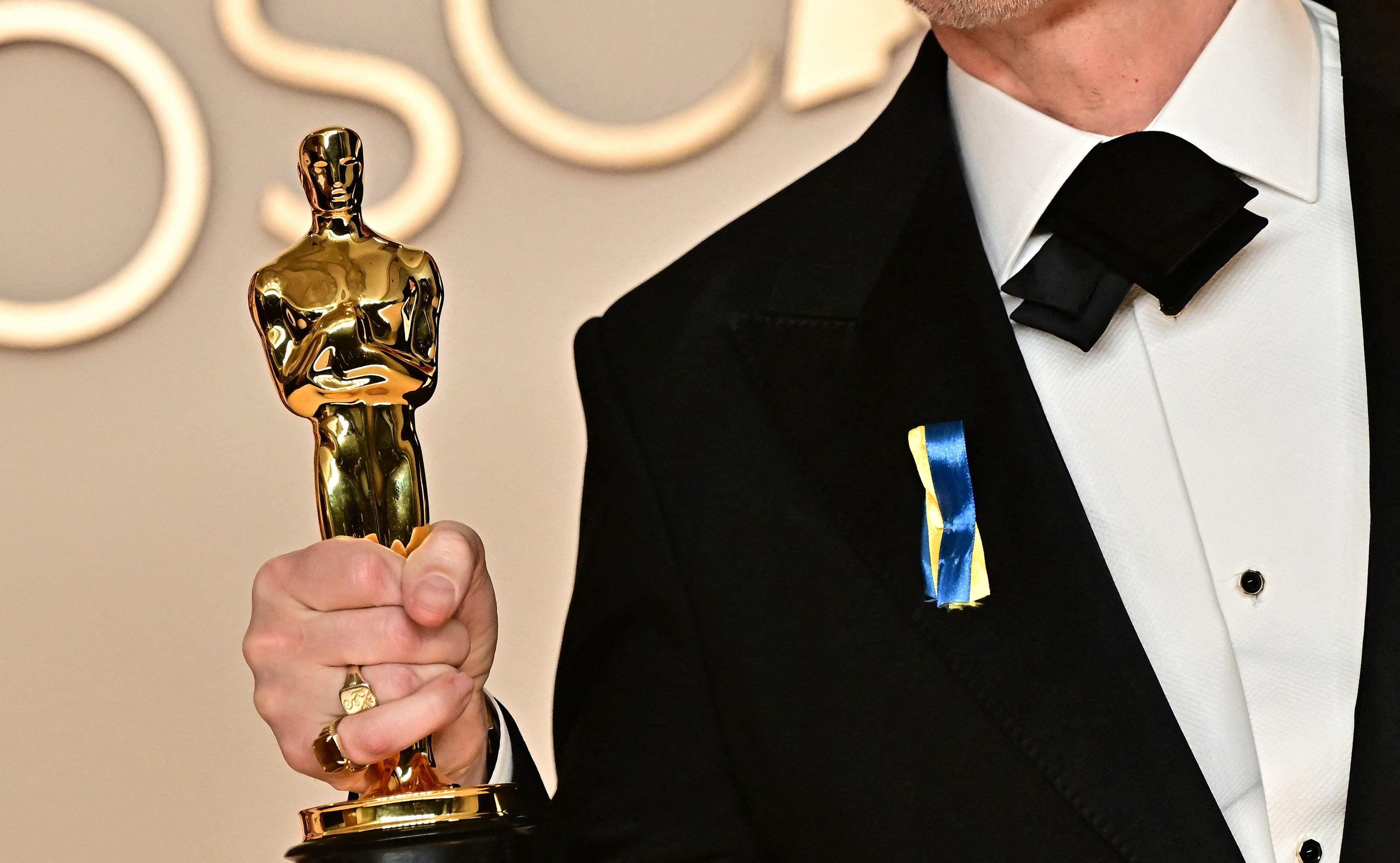
Dietro al film: il viaggio di Pavel Talankin
Da insegnante a regista
Pavel “Pasha” Talankin non era un regista professionista quando iniziò a registrare. Lavorava come videomaker e coordinatore di eventi presso Karabash Primary School No. 1, dove inizialmente accoglieva attività creative degli studenti e progetti comunitari.
Dopo l'invasione su larga scala dell'Ucraina, le direttive educative cambiarono drasticamente. Le scuole erano tenute a svolgere rituali patriottici sanciti dallo Stato e a caricare i filmati nei sistemi governativi. Talankin si trovò in una posizione unica per registrare questi momenti, sotto la veste di adempiere al suo lavoro.
Gradualmente, i suoi filmati passarono dalla documentazione di conformità a una testimonianza più ampia e critica su come l'ideologia fosse intrecciata nella vita scolastica quotidiana — rivelando pressioni emotive, sociali e psicologiche su studenti, insegnanti e famiglie.
Rischio ed Esilio
Il lavoro di Talankin lo espose a rischi personali. A metà del 2024, preoccupazioni per la sorveglianza e possibili ritorsioni lo costrinsero a lasciare la Russia con l'aiuto di collaboratori internazionali. Proveniente dall'Europa, completò il documentario insieme a Borenstein, modellandolo in una narrazione sulla resistenza individuale sotto la pressione autoritaria.
Risposta critica e dibattito internazionale
I critici hanno generalmente elogiato Mr Nobody Against Putin per il coraggio e una rara prospettiva interna. Pubblicazioni come The Hollywood Reporter lo hanno descritto come una “cronaca toccante e intima.”
Tuttavia, le risposte in Russia sono state polarizzate. Alcuni organismi ufficiali hanno contestato l'uso di immagini di bambini nel film e hanno messo in discussione se violasse le norme di protezione, facendo appello alle istituzioni internazionali per rivedere la conformità.
Gli spettatori globali e i commentatori hanno anche dibattuto sulla rappresentazione della società russa e della propaganda. Alcuni sostengono che il film dia voce al dissenso represso, mentre altri avvertono che potrebbe semplificare eccessivamente realtà sociali complesse per il consumo occidentale.
Eredità di una sorprendente vittoria agli Oscar
Il successo di Mr Nobody Against Putin agli Oscar probabilmente estenderà la sua influenza ben oltre il cinema. Amplifica le discussioni sui media, sull'istruzione e sull'influenza dello Stato, evidenziando il potere del cinema documentario sia come arte sia come testimonianza. Per molti spettatori, sottolinea che le storie di persone comuni possono risuonare a livello globale quando sono realizzate con coraggio e chiarezza.
Il viaggio del documentario — da una remota aula russa al più grande palcoscenico di Hollywood — è un chiaro promemoria dei reali costi umani dietro i conflitti geopolitici e del ruolo dei narratori nel plasmare la comprensione del mondo su di essi.
Leggi anche
Trailer di Dune 3 | Shock agli Oscar | Vittoria Oscar di Jessie Buckley | Tributo agli Oscar | Documentario anti-Putin










