

GPS disruption from solar storms is a growing concern after a November 2025 geomagnetic storm caused signal disturbances across much of the United States, with horizontal errors exceeding 10 meters in some areas. The event highlighted how dependent modern society has become on satellite navigation for driving, farming, and moving goods.
We tend to think of GPS as eternal and infallible, but the Sun occasionally reminds us otherwise. A new study of the November 2025 storm revealed that GPS signals were perturbed across a wide region, and the magnitude of the disturbances was unlike what is typically observed.
Find Original Home Decor sparking conversation at Grand Goldman Shop.

What Happened During the November 2025 Solar Storm
During a geomagnetic storm, particles from the Sun can significantly alter the distribution of electrons in the ionosphere, creating interference that distorts radio waves. This phenomenon is known as scintillation: the signal rapidly changes intensity, and the receiver struggles to calculate its position accurately.
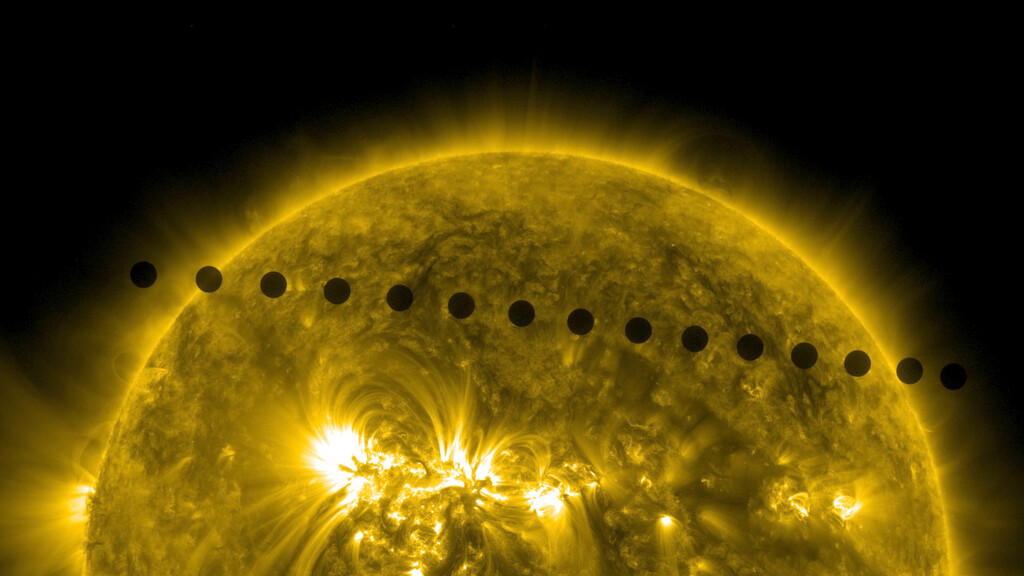
In November 2025, these problems coincided with measured defects in the accuracy of ground-based GPS systems. The result was horizontal errors of more than 10 meters in some areas—a significant deviation for applications that rely on precise positioning.
Why Mid-Latitudes Are a Surprise
Scintillation is relatively common near the equator and in polar regions. Mid-latitudes, where much of the population and infrastructure are located, typically experience fewer such disturbances. The November 2025 event was notable because it affected these mid-latitude regions, catching many off guard.
This is not the first time a solar storm has affected GPS, but the scale of the perturbations was different from the usual. The study's findings suggest that we may need to reassess the vulnerability of GPS-dependent systems at mid-latitudes.
How Solar Storms Disrupt GPS Signals
GPS signals must travel through the ionosphere before reaching a receiver. When a geomagnetic storm occurs, the ionosphere becomes turbulent, and the signal path is disturbed. This can cause delays and errors in the calculated position.
The scintillation effect is particularly problematic because it is rapid and unpredictable. Receivers may lose lock on the signal or produce noisy measurements, leading to degraded performance. The longer history behind the story is traced in GPS Disruption From Solar Storm Exposes Fragility of Navigation.
The Societal Impact of GPS Disruption
GPS is not just for navigation; it underpins critical infrastructure. From precision agriculture to financial transaction timestamps, the signals are woven into the fabric of modern life. A disruption can have cascading effects. The background to this story is set out in Iran War Exposes Dirty Energy Fragility, Boosting Clean Power. A related thread runs through Electric-Shock Gloves ICE Plans to Use Caused Intense Pain in Army. Earlier coverage in Science: latest articles shows how the argument developed.
- Transportation: Drivers, shipping, and aviation rely on GPS for routing and timing.
- Agriculture: Precision farming uses GPS for planting, harvesting, and applying inputs.
- Logistics: Supply chains depend on accurate location data for tracking and delivery.
- Financial systems: Many transactions are time-stamped using GPS signals.
- Emergency services: Dispatch and response rely on accurate positioning.
Comparing Solar Storm Effects on GPS
| Event | Location | Horizontal Error | Notes |
|---|---|---|---|
| November 2025 storm | Much of the US (mid-latitudes) | >10 meters in some areas | Unusual magnitude and location |
| Typical scintillation | Equatorial and polar regions | Variable | More frequent but less impactful at mid-latitudes |
What to Watch Next
As we become more reliant on GPS, the need to understand and mitigate solar storm effects grows. Researchers are studying the November 2025 event to improve models and forecasts. Meanwhile, backup systems and resilient technologies are being explored. A closer look at the same subject appears in Solar Flare Risk: Sun Could Be 30 Times More Destructive Than 2003. Anyone following the wider picture can start with China's Three Gorges Dam Ship Elevator: How the Yangtze Became Navigable. The same theme surfaces in Madrid Metro TBM Mayrit Hits Palos de la Frontera Early, which takes a different angle.
The Sun's activity follows an 11-year cycle, and we are currently in a period of increased activity. More storms are likely, and the November 2025 event serves as a warning. Investing in resilience—such as ground-based augmentation systems or alternative navigation methods—could help reduce vulnerability. Context on how this played out before sits in Marinemaster Solar GPS, exact synchronicity for intrepid sailors. A companion piece, Seiko Astron GPS Solar Novak Djokovic Limited Edition, approaches the same subject from another angle.
FAQ
What caused the GPS disruptions in November 2025?
What caused the GPS disruptions in November 2025?
A geomagnetic storm caused by solar activity disturbed the ionosphere, leading to scintillation that affected GPS signals. This resulted in horizontal errors of more than 10 meters in some areas across the US.
Why was the November 2025 event unusual?
The event caused significant disturbances at mid-latitudes, where scintillation is less common. The magnitude of the perturbations was also different from typical solar storm effects on GPS.
How does GPS scintillation affect receivers?
Scintillation causes rapid changes in signal intensity, making it difficult for receivers to calculate position accurately. This can lead to errors or loss of signal lock.
What can be done to mitigate GPS vulnerability?
Improving forecasting, developing backup systems, and enhancing receiver resilience are key strategies. Diversifying navigation technologies can also reduce dependence on GPS alone.
Browse the Shop
 Acacia frida deluxe solid wood bed frame |
Bedroom bench |
Bed chest drawers |
Lingerie dresser |
Frame base |
Mirror with jewelry storage |
30 Bathroom Vanity |
Memory foam queen mattress |
Mattresses for back pain |
Nightstand set of 2 |
Grand Goldman Shop |
Civil Lawyer
Deutschland Trikot WM 2026







