

Finding certified eclipse glasses is more complex than it seems, but it's essential for safely viewing the total solar eclipse on August 12. This event will be the first total solar eclipse visible from mainland Spain since 1912, and many people are eager to witness it. However, without proper eye protection, looking directly at the sun can cause serious damage.
In the past, people resorted to unsafe methods like using X-rays or smoked glass, which led to eye pain and potential long-term harm. Today, we know that only glasses meeting specific safety standards are safe for direct solar viewing. Unfortunately, unscrupulous sellers may offer cheap, non-compliant glasses, so it's crucial to know what to look for.
Find Original Home Decor sparking conversation at Grand Goldman Shop.

Why Certified Eclipse Glasses Matter
Looking directly at the sun, even during a partial eclipse, can cause solar retinopathy—a condition that damages the retina and can lead to permanent vision loss. Certified eclipse glasses are designed to block harmful ultraviolet and infrared radiation and reduce visible light to safe levels. They are thousands of times darker than regular sunglasses, which are not safe for solar viewing.
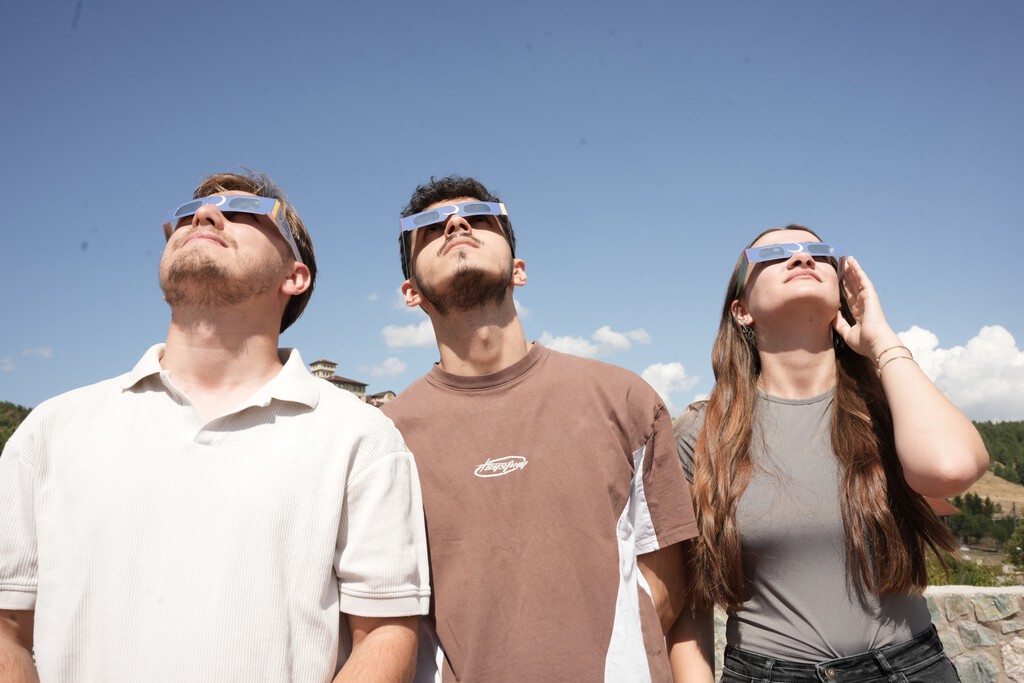
The upcoming eclipse will draw millions of viewers, and the demand for eclipse glasses will be high. This creates opportunities for counterfeiters to sell fake glasses that may not provide adequate protection. Therefore, understanding the certification marks is your first line of defense.
What to Look for When Buying Eclipse Glasses
When purchasing eclipse glasses, you must ensure they meet the ISO 12312-2:2015 standard. This international standard specifies the transmittance requirements and labeling for filters used for direct solar observation. In the European Union, the CE mark is also required, indicating conformity with health, safety, and environmental protection standards.
Always check the packaging or instructions for the manufacturer's name, safe usage guidelines, and care instructions. These details are mandatory and help verify the product's authenticity. If any of this information is missing, the glasses may not be safe.
Key Certification Marks
- ISO 12312-2:2015 – the international safety standard for solar filters.
- CE mark – required for products sold in the EU, indicating compliance with applicable directives.
- Manufacturer name and address – ensures traceability.
- Usage and care instructions – important for proper handling and storage.
- Warning not to use with other optical devices – unless specifically designed for that purpose.
How to Verify Authenticity
Counterfeit eclipse glasses may look similar to certified ones, but they often lack the required markings or use fake certification logos. To verify authenticity, purchase from reputable retailers or astronomy organizations. Avoid buying from unknown online sellers or street vendors, especially if the price seems too low.
Before using your glasses, inspect them for damage. Any scratches, holes, or tears can compromise their protection. Even a tiny pinhole can let through dangerous levels of sunlight. If in doubt, discard the glasses and get a new pair.
Comparison of Safe vs. Unsafe Eclipse Glasses
| Feature | Certified Glasses | Uncertified/Counterfeit Glasses |
|---|---|---|
| ISO 12312-2:2015 marking | Yes, clearly printed | Missing or fake |
| CE mark | Yes (for EU sales) | Often missing or incorrect |
| Manufacturer information | Included on packaging | Absent or vague |
| Usage and care instructions | Provided | Missing or inadequate |
| Price | Reasonable (typically €5-€15) | Suspiciously low |
| Source | Reputable retailers, astronomy shops | Unknown online sellers, street vendors |
When to Use Eclipse Glasses
Certified eclipse glasses should be used whenever you look at the sun, except during the brief total phase of a total solar eclipse when the moon completely covers the sun. During the partial phases, before and after totality, you must wear glasses at all times. If you're not in the path of totality, you'll only see a partial eclipse and will need glasses throughout the event.
Remember that regular sunglasses, even very dark ones, are not safe for solar viewing. They do not block enough infrared and ultraviolet light. Similarly, homemade filters like smoked glass, X-ray film, or CDs are unsafe and can cause eye damage. The background to this story is set out in ISO 12312-2 Eclipse Glasses on Amazon: Safe Viewing Guide. A related thread runs through ISO 12312-2 Eclipse Glasses: How to Spot Safe vs. Dangerous Fakes. Earlier coverage in Aldi Eclipse Glasses: Half-Price Deal on ISO Certified Viewing Shades shows how the argument developed.
Protecting Your Eyes During the Eclipse
In addition to wearing certified glasses, you can use indirect viewing methods to safely observe the eclipse. Pinhole projectors, for example, allow you to project the sun's image onto a surface without looking directly at it. This is a great option for children or groups. A closer look at the same subject appears in Solar Eclipse Glasses & Phone Filter Kit for Safe Viewing. Anyone following the wider picture can start with Andalusia Eclipse Glasses Warning: One-Minute Limit Debated. The same theme surfaces in Solar Eclipse Eye Safety: How to Protect Your Vision on August 12, which takes a different angle.
If you're planning to photograph the eclipse, use a solar filter on your camera lens. Never look through the viewfinder while pointing the camera at the sun without proper filtration. Your eyes are irreplaceable—take every precaution. Context on how this played out before sits in Hawkers ISO-Certified Eclipse Glasses at El Corte Inglés for August. A companion piece, Eclipse Glasses Recalled: How to Check If Yours Are Safe, approaches the same subject from another angle.
FAQ
Can I use regular sunglasses to view a solar eclipse?
How can I tell if my eclipse glasses are counterfeit?
What should I do if I accidentally look at the sun without eclipse glasses?
Can I use eclipse glasses if they are scratched or damaged?
Browse the Shop
 Acacia frida deluxe solid wood bed frame |
Bedroom bench |
Bed chest drawers |
Lingerie dresser |
Frame base |
Mirror with jewelry storage |
30 Bathroom Vanity |
Memory foam queen mattress |
Mattresses for back pain |
Nightstand set of 2 |
Grand Goldman Shop |
Civil Lawyer
Deutschland Trikot WM 2026







