

The NASA Columbia disaster of 2003 claimed the lives of seven astronauts, and investigations later revealed that a PowerPoint presentation played a role in the tragedy. On January 16, 2003, the space shuttle Columbia launched with seven crew members for a 16-day mission to study microgravity's effects on the human body. The launch appeared perfect, but just one day later, NASA engineers discovered that something had gone wrong.
During launch, a piece of insulating foam broke off from the external tank and struck the shuttle's left wing. This had happened before, but this time the damage proved catastrophic. The subsequent investigation highlighted how a poorly designed PowerPoint slide minimized the severity of the foam strike, leading to a false sense of security.
Find Original Home Decor sparking conversation at Grand Goldman Shop.

The Launch and the Foam Strike
At 82 seconds after launch, a chunk of spray-on foam insulation (SOFI) detached from a ramp connecting the shuttle to its external tank. The foam hit the left wing's leading edge, but the shuttle continued its ascent to 28,968 km/h. NASA had cameras in place to monitor launches, and the foam shedding was not new—it had occurred on four previous missions.
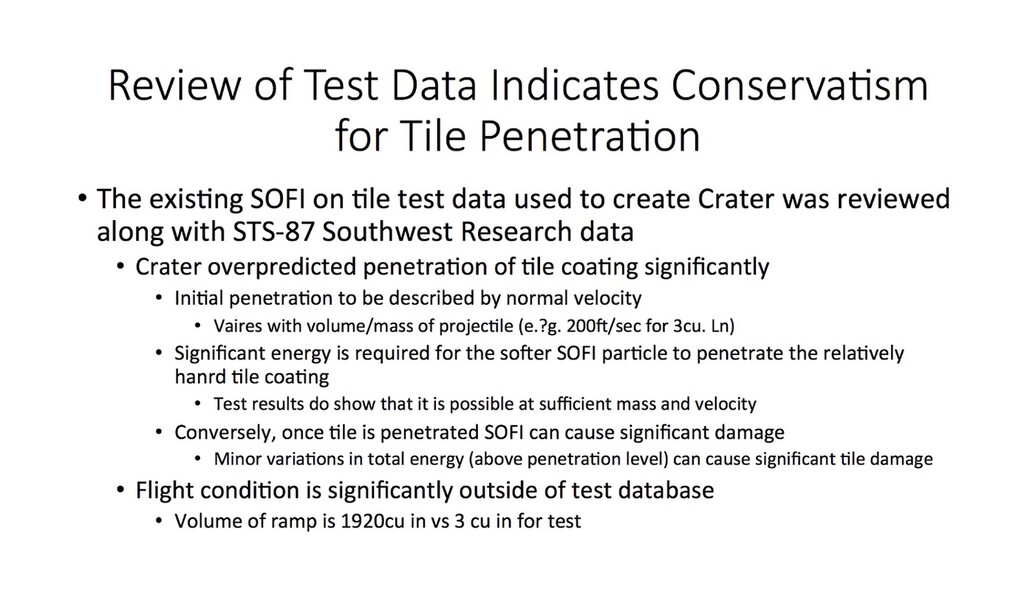
However, the concern was that the foam might have damaged the shuttle's thermal protection system. Engineers wanted to assess the damage using satellite imagery, but their requests were denied. Instead, they relied on a PowerPoint presentation to communicate their findings to management.
The PowerPoint That Misled
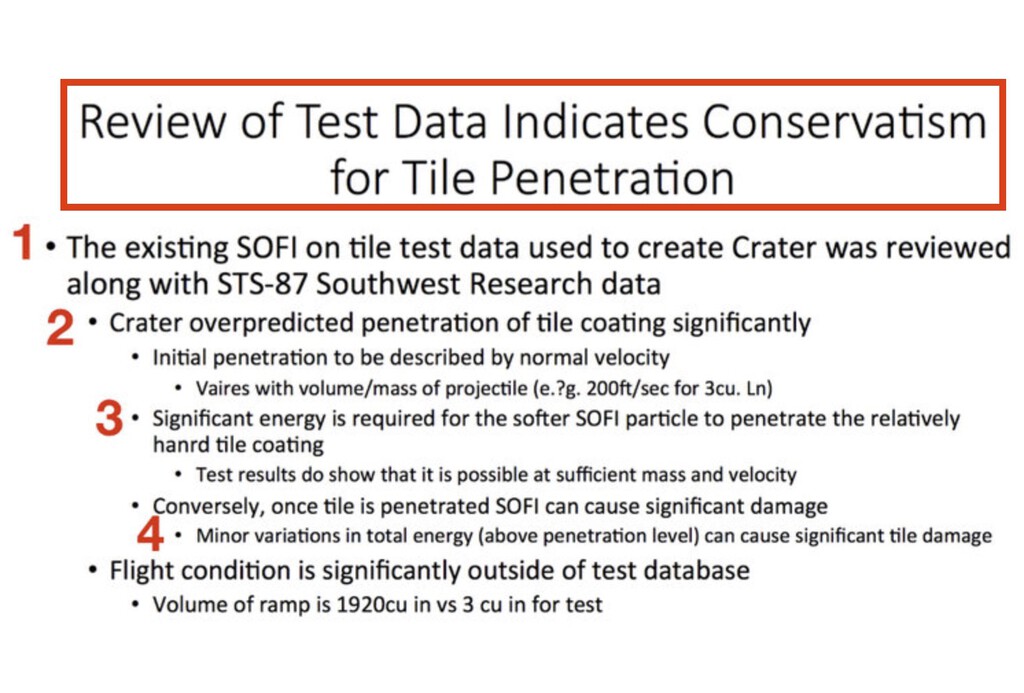
The presentation, created by engineers, included a slide that suggested the foam strike was not a safety issue. The slide used bullet points and a small image, but it failed to convey the potential severity of the damage. According to James Thomas, a NASA engineer, the slide was ambiguous and led managers to believe that the foam impact was insignificant.
The presentation did not include a request for additional imagery, which could have confirmed the damage. As a result, NASA management concluded that no further action was needed. The shuttle re-entered the atmosphere on February 1, 2003, and broke apart over Texas, killing all seven crew members.
Why Communication Failed
The Columbia Accident Investigation Board (CAIB) later criticized NASA's communication practices, citing the PowerPoint slide as an example of how information can be distorted. The board found that the slide minimized the foam strike's potential danger and did not clearly state the engineers' concerns.
This case highlights the dangers of relying on overly simplified presentations for complex technical decisions. When critical safety information is reduced to bullet points, nuance and urgency can be lost, leading to disastrous outcomes. The background to this story is set out in NASA's Space Shuttle: Why It Remains Irreplaceable 15 Years Later. A related thread runs through NASA Starliner: Astronauts Stranded 9 Months, NASA Still Trusts Boeing. Earlier coverage in NASA Creates Emeritus Astronaut Title as Retirements Rise shows how the argument developed.
- Foam strikes were a known issue but had not caused catastrophic damage in previous missions.
- Engineers requested additional imagery to assess the damage but were denied.
- The PowerPoint slide failed to communicate the severity of the foam impact.
- Management misinterpreted the risk and took no further action.
- The disaster led to major reforms in NASA's safety culture and communication.
Lessons Learned from Columbia
The Columbia disaster prompted NASA to overhaul its safety protocols and communication procedures. The CAIB recommended that the agency foster a culture of open communication and encourage dissenting views. It also emphasized the need for better presentation methods that accurately convey risk. A closer look at the same subject appears in NASA Voyager 2 Power Boost: Extending Interstellar Mission. Anyone following the wider picture can start with Geomagnetic Storm Saturation Myth Debunked by NASA Study. The same theme surfaces in Science: latest articles, which takes a different angle.
Today, NASA uses more rigorous processes for assessing launch damage, including mandatory imagery reviews. The tragedy serves as a stark reminder of how poor communication can have fatal consequences. Context on how this played out before sits in NASA Artemis II Astronauts Make Video Calls from Deep Space. A companion piece, NASA's Moon Astronaut Job: Why Isolation Is the Real Test, approaches the same subject from another angle.
Comparison of Foam Strike Assessments
| Aspect | Pre-Columbia | Post-Columbia |
|---|---|---|
| Imagery Requests | Often denied | Mandatory review |
| Risk Communication | Simplified slides | Detailed analysis |
| Safety Culture | Complacency | Open dissent encouraged |
| Foam Strike Protocol | No formal assessment | Immediate investigation |
FAQ
What was the PowerPoint slide about?
The slide summarized the foam strike during Columbia's launch and concluded that it was not a safety concern. It used bullet points and a small image, which failed to convey the potential severity of the damage.
Why didn't NASA request additional imagery?
Engineers requested satellite imagery to assess the damage, but management denied the request, partly because they believed the foam strike was insignificant based on the PowerPoint presentation.
How did the Columbia disaster change NASA?
NASA implemented new safety protocols, including mandatory imagery reviews and a more open culture that encourages dissenting views. The agency also improved its communication practices to ensure critical information is accurately conveyed.
What can other organizations learn from this?
Organizations should avoid oversimplifying complex information in presentations. Clear, detailed communication is essential for informed decision-making, especially in high-risk environments.
Browse the Shop
 Acacia frida deluxe solid wood bed frame |
Bedroom bench |
Bed chest drawers |
Lingerie dresser |
Frame base |
Mirror with jewelry storage |
30 Bathroom Vanity |
Memory foam queen mattress |
Mattresses for back pain |
Nightstand set of 2 |
Grand Goldman Shop |
Civil Lawyer
Deutschland Trikot WM 2026







