

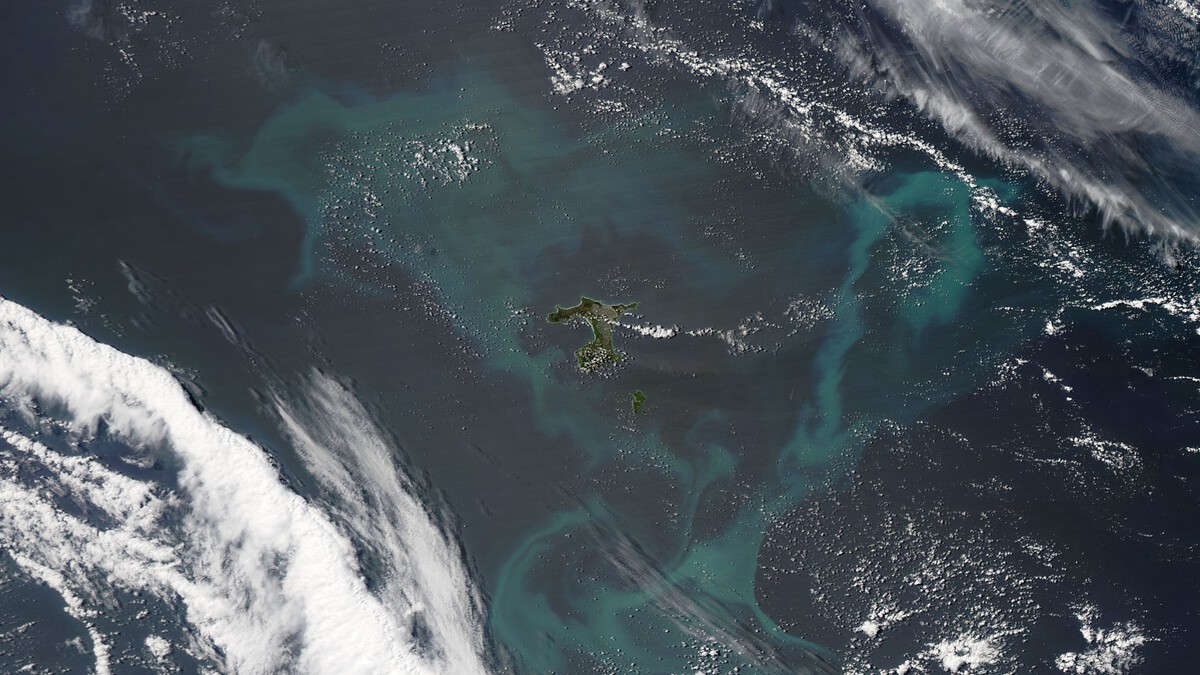
NASA has detected a giant green swirl from space near New Zealand, and it's neither pollution nor an image glitch. The stunning satellite image, captured on January 10, 2026, reveals a massive phytoplankton bloom swirling around the remote Chatham Islands, located about 800 kilometers east of New Zealand.
What the Satellite Image Shows
The image, taken by the NOAA-20 satellite, displays an elliptical structure approximately 200 kilometers long and 120 kilometers wide. It consists of spectacular swirls and filaments in shades of green and blue, resembling a huge spill stretching across the ocean.
Find Original, High-end Home Decor that spark conversation at Grand Goldman Shop.
The European Sentinel-3 satellite had captured the same phenomenon about an hour and a half earlier, confirming the scale and beauty of this natural event. The bloom surrounds the Chatham Islands, a small archipelago in the Pacific Ocean.
Why It's Not Pollution
Despite its appearance, the green swirl is not a pollutant. It is a dense concentration of phytoplankton—microscopic, photosynthetic organisms that drift in the water. These organisms are the foundation of many marine food chains.
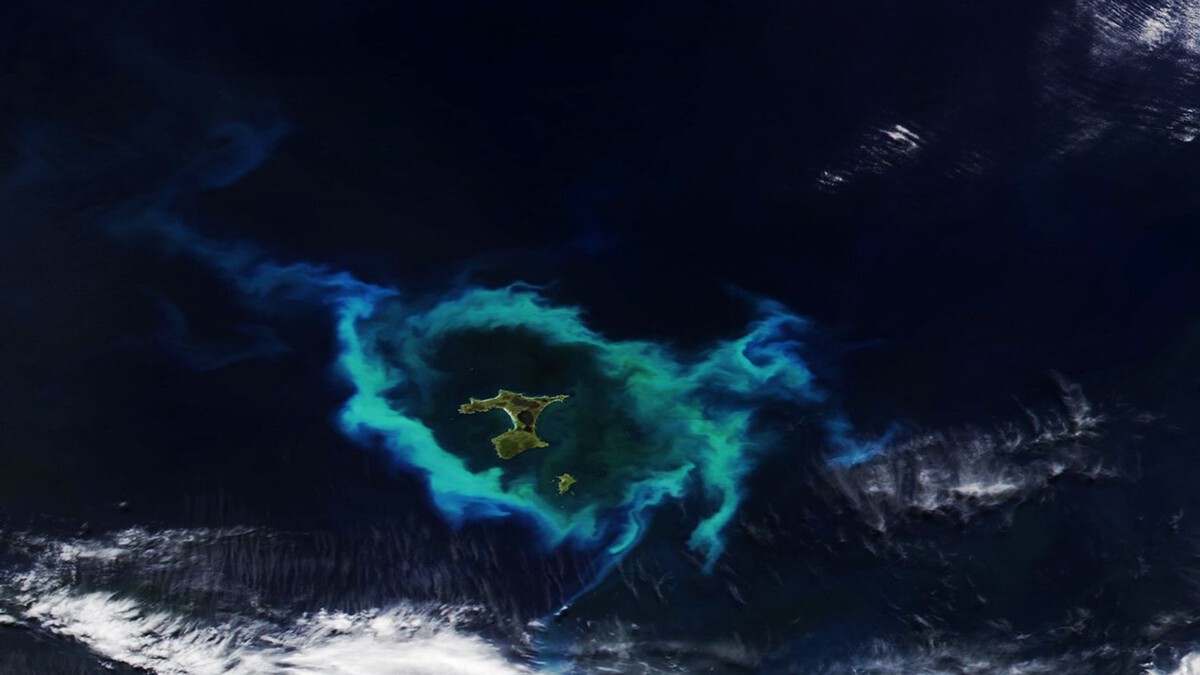
When conditions are right—plenty of sunlight and nutrients—phytoplankton populations can explode, creating blooms visible from space. The Chatham Islands area is known for such events due to ocean currents that bring nutrients to the surface.
The Science Behind the Bloom
Phytoplankton blooms occur when there is an abundance of nutrients (like nitrogen and phosphorus) and sufficient sunlight. The swirling patterns are caused by ocean currents and eddies that concentrate the microorganisms.
These blooms play a crucial role in the marine ecosystem. They produce oxygen and serve as food for zooplankton, which in turn feed fish, whales, and other marine life. However, some blooms can be harmful if they deplete oxygen or release toxins, but this particular event appears benign.
Key Takeaways
- The green swirl is a massive phytoplankton bloom, not pollution.
- It was captured by NOAA-20 and Sentinel-3 satellites.
- The bloom measures about 200 km long and 120 km wide.
- Phytoplankton are essential to marine food webs and oxygen production.
- Such blooms are natural and often occur around the Chatham Islands.
Comparing Satellite Observations
| Satellite | Date/Time | Details |
|---|---|---|
| NOAA-20 | January 10, 2026 | Captured the main image of the bloom |
| Sentinel-3 | ~1.5 hours earlier | Confirmed the phenomenon |
Why This Matters
Phytoplankton blooms are indicators of ocean health and productivity. They absorb carbon dioxide and are a key part of the global carbon cycle. Monitoring them helps scientists understand climate change impacts and ocean ecosystems.
The Chatham Islands bloom is a reminder of the incredible processes happening in our oceans, often invisible to the naked eye but detectable from space. It also highlights the importance of satellite technology in observing Earth's dynamic systems.
What to Watch Next
Scientists will continue to monitor this bloom and others like it to better understand their frequency and effects. As ocean temperatures change, the patterns of phytoplankton blooms may shift, affecting marine life and global climate. The background to this story is set out in Science: latest articles.
For now, this giant green swirl is a beautiful and harmless natural spectacle—a testament to the wonders of our planet as seen from above. A related thread runs through Spain's Largest Pumpkin: Navarra Farmer Grows 1,187-Kilo Giant. Earlier coverage in NASA Spots Giant Green Swirl Near New Zealand: It's Not Pollution shows how the argument developed.
FAQ
Is the green swirl in New Zealand pollution?
No, it is a massive phytoplankton bloom, which is a natural occurrence. Phytoplankton are microscopic organisms that multiply rapidly under certain conditions.
What causes the green color?
The green color comes from chlorophyll in the phytoplankton, which they use for photosynthesis. Different species can produce different hues, from green to blue-green.
Can phytoplankton blooms be harmful?
Some blooms can be harmful if they produce toxins or cause oxygen depletion. However, this particular bloom appears to be benign and is not considered a threat.
How often do such blooms occur near New Zealand?
Phytoplankton blooms are common in the region due to nutrient-rich currents. They can occur several times a year, especially in spring and summer.
Browse the Shop
 Acacia frida deluxe solid wood bed frame |
Bedroom bench |
Bed chest drawers |
Lingerie dresser |
Frame base |
Mirror with jewelry storage |
30 Bathroom Vanity |
Memory foam queen mattress |
Mattresses for back pain |
Nightstand set of 2 |
Grand Goldman Shop |
Civil Lawyer
Deutschland Trikot WM 2026










