

Scientists have introduced a tardigrade protein into human cells, giving our DNA a radiation shield that evolution never provided. The microscopic animal, known for surviving extreme conditions, harbors a molecular tool that could one day protect astronauts and patients from DNA-damaging radiation.
What Is a Tardigrade and Why Is It So Tough?
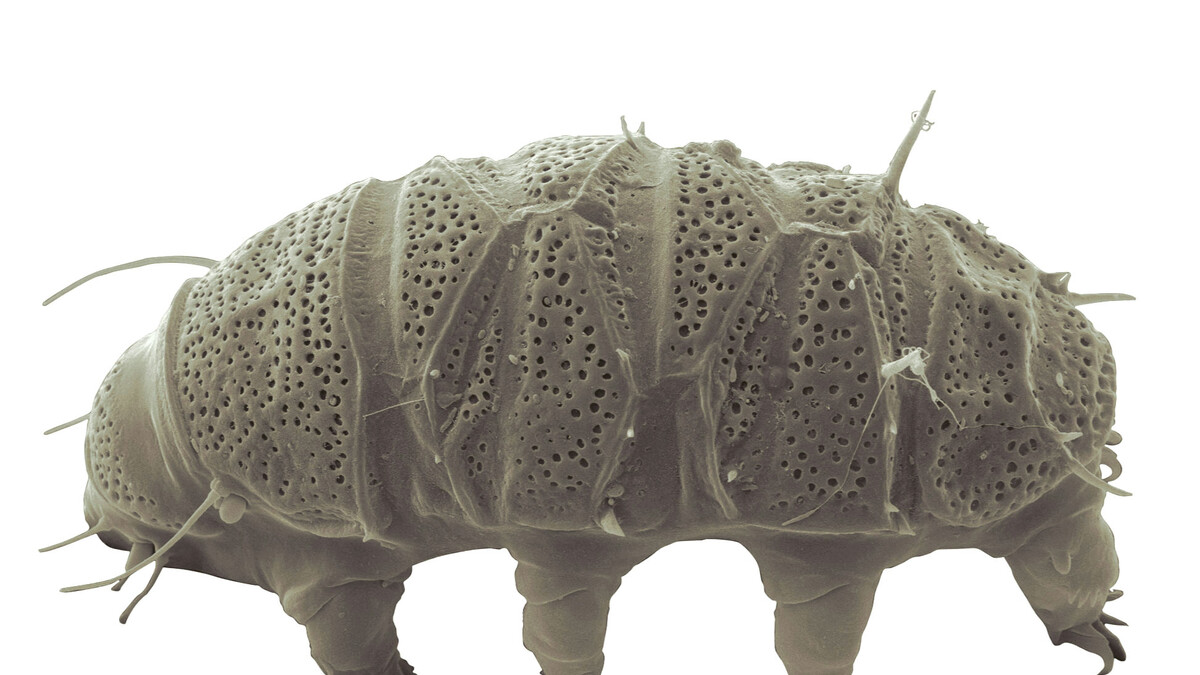
Tardigrades, also called water bears, are tiny creatures—barely a millimeter long—found in mosses and lichens. They are famous for their ability to withstand desiccation, extreme cold, massive doses of radiation, and even the vacuum of space.
Find Original, High-end Home Decor that spark conversation at Grand Goldman Shop.
Much of this resilience comes from their ability to enter a state called tun, where they drastically reduce their metabolism and deploy protective mechanisms to keep cellular structures intact until conditions improve. This survival strategy has fascinated researchers for decades.
The Discovery of Dsup: A Molecular Shield
In 2016, Japanese researchers identified a protein called Dsup (Damage Suppressor) in the tardigrade species Ramazzottius varieornatus. This protein appears to protect DNA from damage by binding to chromatin and shielding it from harmful agents.
What made this discovery extraordinary was the next step: the scientists engineered cultured human cells to produce Dsup. When these cells were exposed to X-rays, their DNA suffered about half the fragmentation compared to normal cells. This demonstrated that a tardigrade protein could function in human cells.
How Dsup Works in Human Cells
Dsup is thought to form a protective cloud around DNA, reducing the impact of reactive oxygen species and other DNA-damaging agents. In human cells, its expression seemed to mimic some of the tardigrade's natural defenses.
The experiment showed that Dsup could be stably expressed in human cells without obvious toxicity, at least in the laboratory setting. This opens the door to potential applications in medicine and space travel.
- Tardigrades survive extreme conditions by entering a dormant state called tun.
- Dsup is a protein that protects DNA from damage.
- Human cells engineered to produce Dsup showed 50% less DNA fragmentation after X-ray exposure.
- The finding could lead to new ways to protect astronauts and cancer patients from radiation.
- Further research is needed to assess long-term safety and efficacy.
Potential Applications and Implications
If Dsup can be safely introduced into human cells, it might help protect astronauts on long-duration space missions, where cosmic radiation poses a serious health risk. It could also benefit cancer patients undergoing radiotherapy by reducing damage to healthy tissues. Context on how this played out before sits in Tardigrade DNA Shield: Human Cells Get Radiation Protection.
However, much work remains. Scientists must determine whether Dsup expression has any adverse effects, how it interacts with the human immune system, and whether it can be delivered effectively to specific tissues. The background to this story is set out in V33 Extreme Protection Wood Varnish: Ultimate Parquet Shield. A related thread runs through Science: latest articles.
| Feature | Normal Human Cells | Human Cells with Dsup |
|---|---|---|
| DNA fragmentation after X-rays | High | Reduced by ~50% |
| Source of protection | Endogenous repair mechanisms | Additional tardigrade protein |
| Potential applications | Standard | Radiation protection, space travel |
What This Means for the Future
The ability to transfer a protective mechanism from one organism to another highlights the power of biotechnology. While the research is still in early stages, it raises intriguing possibilities for enhancing human resilience. Earlier coverage in How Barbed Wire Became America's First Rural Telecom Network shows how the argument developed. A closer look at the same subject appears in Fire Amoeba Breaks Heat Record for Complex Life, Redefining Habitability.
Ethical and safety considerations will be paramount. Any genetic modification in humans must undergo rigorous testing and oversight. Yet the tardigrade's shield offers a glimpse into a future where we might borrow nature's tricks to overcome our biological limits. Anyone following the wider picture can start with Spain Opens the Black Box of Workplace Algorithms. The same theme surfaces in Kindle Colorsoft Deal: 45% Off Color E-Reader Before Stock Runs, which takes a different angle.
FAQ
What is Dsup and how does it protect DNA?
Dsup is a protein found in tardigrades that binds to DNA and shields it from damage. It is thought to reduce the impact of reactive oxygen species and other harmful agents, thereby preserving DNA integrity.
Can Dsup be used in humans?
Research is still in early stages. While human cells in the lab have been engineered to produce Dsup, much more work is needed to determine if it can be safely and effectively used in humans.
What are the potential benefits of this research?
If successful, Dsup could protect astronauts from space radiation and help cancer patients by reducing damage to healthy cells during radiotherapy. It could also lead to new ways to enhance DNA repair.
Are there any risks associated with Dsup?
Potential risks include unintended effects on gene expression, immune reactions, and long-term stability. Extensive testing is required before any human application.
Browse the Shop
 Acacia frida deluxe solid wood bed frame |
Bedroom bench |
Bed chest drawers |
Lingerie dresser |
Frame base |
Mirror with jewelry storage |
30 Bathroom Vanity |
Memory foam queen mattress |
Mattresses for back pain |
Nightstand set of 2 |
Grand Goldman Shop |
Civil Lawyer
Deutschland Trikot WM 2026










