

Il “Solar Eclipse” non è un evento celeste — è una piattaforma di moto elettrica in rapida ascesa che ridefinisce il confine tra e-bike e motociclette leggere. Modelli come la Solar E-Clipse 2.0 e la Race Edition stanno attirando l'attenzione per combinare alta potenza, lunga autonomia e prezzi aggressivi.
Ecco una spiegazione chiara e verificata di cosa sia questa moto elettrica, come si comporta e se vale la pena considerarla. Guarda la recensione video fino in fondo qui sotto.
Find Original, High-end Home Decor that spark conversation at Grand Goldman Shop.
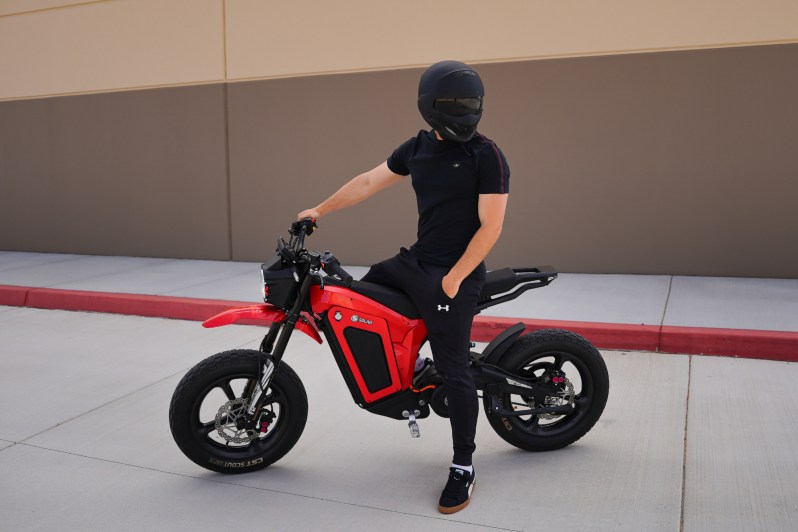
Cos'è la Solar Eclipse, la moto elettrica?
Solar E-Clipse è una moto elettrica leggera (spesso chiamata una “e-moto”) progettata sia per uso su strada che fuoristrada. Si posiziona tra le tradizionali e-bike e le motociclette elettriche di grandi dimensioni.
Caratteristiche chiave:
-
Nessun pedale (classificazione come motociclo in molte regioni)
-
Propulsione elettrica ad alta potenza (picco da 10 kW–16 kW)
-
Costruzione in fibra di carbonio per ridurre il peso
-
Configurazioni omologate per strada disponibili
A differenza delle e-bike standard, questa macchina è costruita per velocità e prestazioni, non solo per gli spostamenti urbani.
Modelli principali: 2.0 vs Race Edition
Solar ha ampliato la gamma, con due versioni principali che dominano il mercato:
Solar E-Clipse 2.0
-
Motore di picco da 10.000 W
-
circa 60 mph (95 km/h) velocità massima
-
Fino a 70–120 km di autonomia a seconda delle condizioni di guida
-
72V 45Ah LG batteria
-
Telaio in fibra di carbonio
Solar Eclipse Race Edition
-
Fino a 13–16 kW di potenza di picco
-
circa 65 mph (105 km/h) velocità massima
-
circa 70 miglia (112 km) di autonomia
-
Controllore avanzato e messa a punto delle prestazioni
L'Edizione Race è rivolta agli utenti che cercano accelerazione massima e velocità di punta, mentre la 2.0 è proposta come una scelta equilibrata per l'uso quotidiano.
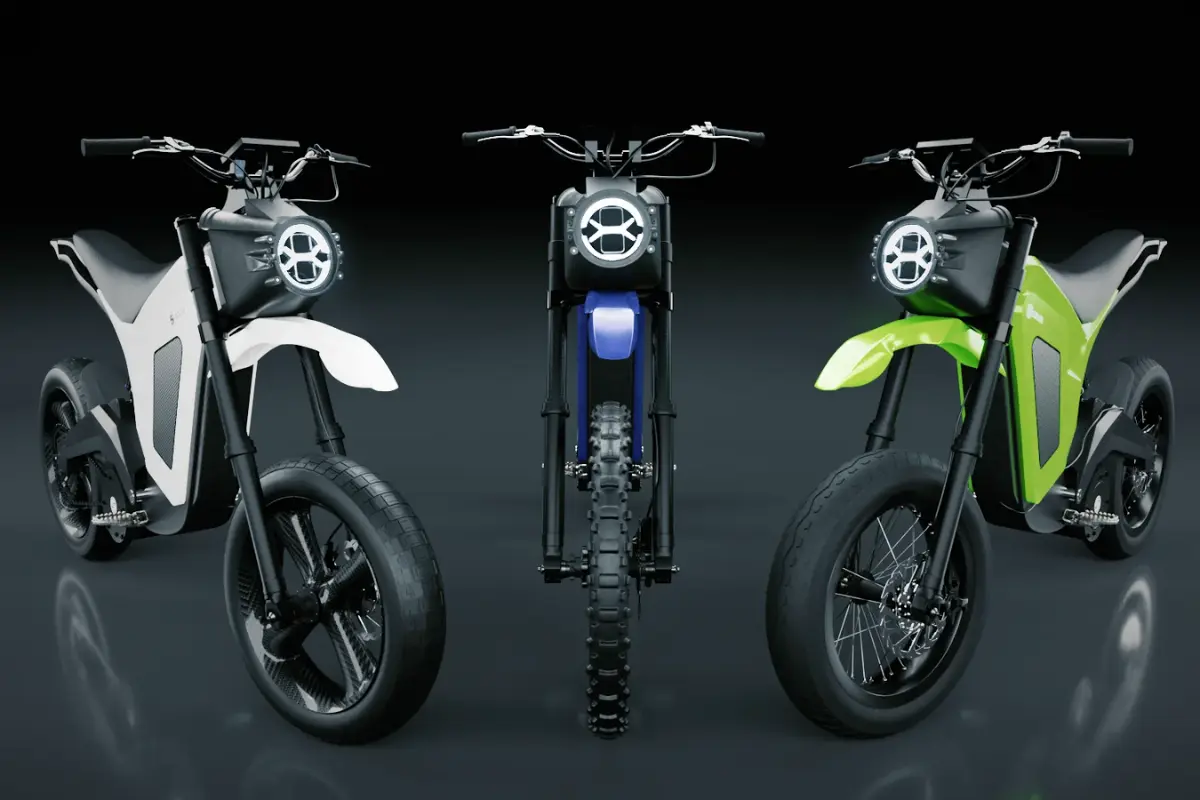
Analisi delle prestazioni
| Caratteristica | Solar E-Clipse 2.0 | Race Edition |
|---|---|---|
| Potenza di picco | 10 kW | 13–16 kW |
| Velocità massima | ~97 km/h | ~105 km/h |
| Autonomia | 70–120 km | ~70 miglia |
| Batteria | 72V 45Ah LG | 72V 45Ah LG |
| Peso | ~130–138 libbre | Simile |
| Telaio | Fibra di carbonio | Fibra di carbonio |
Il punto di forza è rapporto potenza-peso. A circa 130 libbre, la Solar Eclipse è significativamente più leggera della maggior parte delle motociclette elettriche, migliorando manovrabilità e accelerazione.
Progettazione e qualità costruttiva
Costruzione in fibra di carbonio
La Solar Eclipse utilizza un telaio e forcellone in fibra di carbonio intrecciata a mano, una caratteristica rara a questo livello di prezzo.
I vantaggi includono:
-
Peso complessivo ridotto
-
Rigidità aumentata
-
Migliore maneggevolezza su terreno misto
Tuttavia, i telai in carbonio sollevano anche preoccupazioni riguardo alla durabilità se sottoposti a uso intenso fuoristrada.
Sospensione e frenata
-
Sospensione completamente regolabile (anteriore e posteriore)
-
Freni a disco idraulici con sistemi a quattro pistoni
-
Frenata rigenerativa inclusa
Questa configurazione consente alla moto di gestire efficacemente sia le strade urbane che i sentieri.
Funzionalità intelligenti
Caratteristiche elettriche moderne includono:
-
Display LCD a colori o TFT
-
Blocco remoto e sblocco remoto e sistema di allarme
-
Connettività app (in alcune varianti)
-
Batteria rimovibile con ricarica rapida
La ricarica tipicamente richiede 3–4 ore, rendendola pratica per l'uso quotidiano.
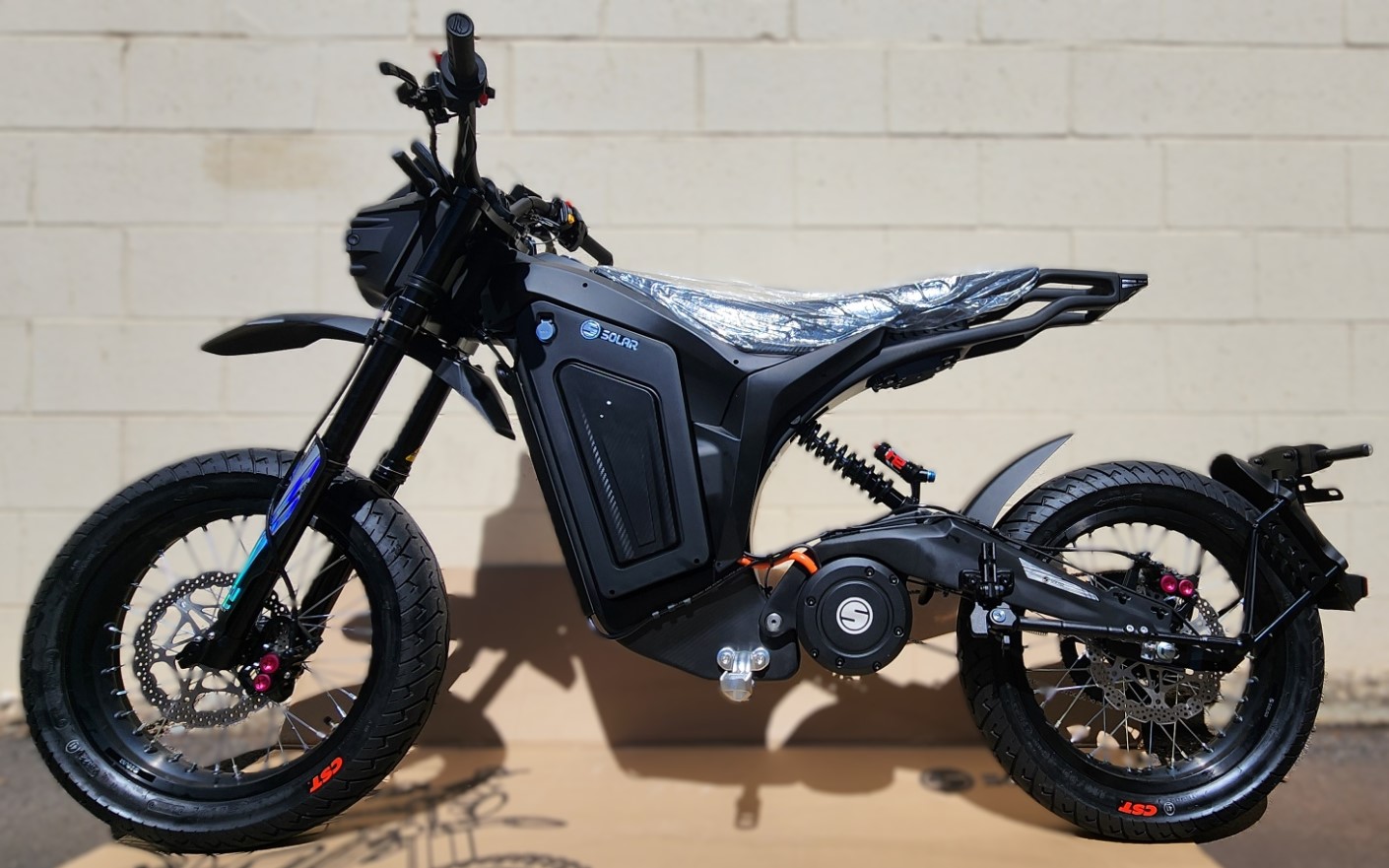
Casi d'uso reali
Pendolarismo urbano
La Solar Eclipse è particolarmente adatta all'uso urbano:
-
Un'accelerazione rapida batte il traffico
-
Il design leggero migliora la manovrabilità
-
Zero emissioni
Tuttavia, i requisiti di licenza possono variare a seconda delle leggi locali.
Guida fuoristrada
Con diverse opzioni di pneumatici (enduro, supermoto), affronta:
-
Sentieri sterrati
-
Strade di ghiaia
-
Terreno misto
L'elevata coppia e il peso ridotto lo rendono particolarmente capace fuoristrada.
Guida ibrida
È qui che l'Eclipse si distingue:
-
Pendolarismo durante la settimana
-
Fuoristrada nel fine settimana
Poche piattaforme elettriche offrono questo livello di versatilità a questo prezzo.
Prezzi e posizionamento sul mercato
La gamma Solar Eclipse è posizionata come prestazioni accessibili.
-
Modelli base: circa 5.995 dollari
-
Race Edition: circa 6.795 dollari
Questo taglia i costi di molte motociclette elettriche offrendo prestazioni comparabili.
Pro e contro
Vantaggi
-
Ottimo rapporto peso-potenza
-
Autonomia elevata per la sua classe
-
Materiali premium (telaio in fibra di carbonio)
-
Versatile (strada + fuoristrada)
-
Prezzi competitivi
Svantaggi
-
Non è una vera moto per principianti a causa della velocità
-
La classificazione legale varia (potrebbe richiedere una patente)
-
Storia limitata del marchio rispetto ai principali produttori
-
Il supporto post-vendita può variare a seconda della regione
Considerazioni di sicurezza e legali
La Solar Eclipse è spesso commercializzata come omologata per la strada, ma ciò dipende dalla configurazione e dalle normative locali.
Considerazioni chiave:
-
Potrebbe richiedere una patente di motocicletta
-
L'assicurazione è spesso obbligatoria
-
I requisiti di registrazione variano
A differenza delle e-bike standard, questo è più simile a una motocicletta nella maggior parte delle giurisdizioni.
La Solar Eclipse ne vale la pena?
La Solar Eclipse fa parte di una crescente categoria di “moto elettriche leggere” che sta rivoluzionando sia i mercati delle e-bike che delle motociclette.
Offre:
-
Velocità a livello di motocicletta
-
Peso simile a una e-bike
-
Prezzi competitivi
Per i guidatori in cerca di prestazioni senza l’ingombro delle motociclette tradizionali, offre un'alternativa convincente.
E-Bike Solar Eclipse 72V - Video di recensione completa (18 min)
Verdetto finale
La Solar Eclipse non è semplicemente un'altra bicicletta elettrica — è una macchina crossover di categoria.
Combina:
-
Potenza elevata (fino a 16 kW)
-
Costruzione in carbonio leggera
-
Usabilità nel mondo reale
Per guidatori esperti o appassionati di tecnologia, rappresenta una delle opzioni di mobilità elettrica più interessanti attualmente disponibili.
Per i principianti, tuttavia, la sola performance richiede cautela.
Leggi anche
Offerte e prezzi di leasing della Volkswagen ID.4 | Trasporto urbano intelligente con un rimorchio per scooter | Prezzo di leasing della Chevy Bolt e migliori offerte di veicoli elettrici | Specifiche e risparmi della pompa di calore Bosch IDS Ultra | Rivoluzioni nello stoccaggio delle batterie nel 2026 | Ciclisti di e-bike e consigli di sicurezza per Solar Eclipse | Silence S02 L1e specifiche e prestazioni urbane | Recensione e caratteristiche di OH!WOW Conductor Plus | Recensione della Carbo e-bike: leggera e potente | Prezzo di leasing dell'Ioniq 6 e offerte mensili
Browse the Shop
 Acacia frida deluxe solid wood bed frame |
Bedroom bench |
Bed chest drawers |
Lingerie dresser |
Frame base |
Mirror with jewelry storage |
30 Bathroom Vanity |
Memory foam queen mattress |
Mattresses for back pain |
Nightstand set of 2 |
Grand Goldman Shop |
Civil Lawyer
Deutschland Trikot WM 2026
Acacia frida deluxe solid wood bed frame |
Bedroom bench |
Bed chest drawers |
Lingerie dresser |
Frame base |
Mirror with jewelry storage |
30 Bathroom Vanity |
Memory foam queen mattress |
Mattresses for back pain |
Nightstand set of 2 |
Grand Goldman Shop |
Civil Lawyer
Deutschland Trikot WM 2026










